Product Description
Product Description
High quality heavy duty gearbox Shaft Mounted Helical Gear Reducer for extruder machine
Components:
1. Housing: Nodular Cast Iron(Ductile Iron) QT600
2. Gears Profile: Hardened Helical Gears
3. Gears Material: 20CrMnTi
4. Gears Processing: Carburizing, Quenching, Grinding
5. Gears Hardness: Surface Hardness: HRC58-62, Inner Hardness: HBS156-207
6. Gears Accuracy: 6 Class
7. Shafts Material: 40Cr
8. Input Configurations:
Keyed CHINAMFG Shaft Input
IEC Normalized Motor Flange
9. Output Configurations:
Keyed Hollow Shaft Output
10. Oil Seal: ZheJiang SOG
11. Bearings: NSK, HRB, ZWZ, LYC
12. Spare Parts: Torque arm, Optional Backstop
The features of ATA shaft mounted gearbox:
Mounting Type: Tie rod Hanging shaft mounted
Output Shaft: Single key hollow shaft, each model can select 3 hollow diameter at most.
Gearbox Housing: Hard Iron Steel, can be used outside.
Anti-slip device: Can suit for any model, It’s very convenient to be mounted.
The maintenance of ATA shaft mounted gearbox:
1. Before starting the reducer must be filled of N159 or N220 extreme pressure industrial gear oils, till the gearbox oil shows an intermediate position
2. After 3 months running, the gearbox need to change oil, attention it must be debris inside the machine rinse before adding new oil.
3. At the reducer hollow shaft ends and drive pulley end gland plate must fastened with locking screws.
4. The reducer pulley and the motor pulley must be parallel when they are installed and the belt tightness should be moderate.
Detailed Photos
| Rated Power |
1.1~193KW |
| Intput Speed |
500~1400r/min |
| Output Speed |
25~300r/min |
| Ratio |
IN=5.0…31.5 |
| Installation Form |
Shaft mounted |
The models of ATA shafted mounted gearbox:
1 Stage: ATA30, ATA35, ATA40, ATA45, ATA50, ATA60, ATA70, ATA80, ATA100, ATA125
2 Stage: ATA35D, ATA40D, ATA45D, ATA50D, ATA60D, ATA70D, ATA80D, ATA100D, ATA125D
Product Parameters
Gearbox Parameters:
| Models | Output Bore Dia. | Maximum Torque | Nominal Ratio(i) |
| ATA30 | 30mm | 180Nm | 5
7 10 12.5 15 20 25 31 |
| ATA35 | 35mm | 420Nm | |
| ATA40 | 40mm/45mm | 950Nm | |
| ATA45 | 45mm/50mm/55mm | 1400Nm | |
| ATA50 | 50mm/55mm/60mm | 2300Nm | |
| ATA60 | 60mm/70mm | 3600Nm | |
| ATA70 | 70mm/85mm | 5100Nm | |
| ATA80 | 80mm/100mm | 7000Nm | |
| ATA100 | 100mm/125mm | 11000Nm | |
| ATA125 | 125mm/135mm | 17000Nm |
Certifications
Packaging & Shipping
Packaging & Delivery
ATA series gear reducer Packaging Details:Plastic Bags, Cartons, Wooden Boxes
Port:ZheJiang /HangZhou
Company Profile
Our Advantages
Our Services:
| Pre-sale services | 1. Select equipment model. |
| 2.Design and manufacture products according to clients’ special requirement. | |
| 3.Train technical personal for clients | |
| Services during selling | 1.Pre-check and accept products ahead of delivery. |
| 2. Help clients to draft solving plans. | |
| After-sale services | 1.Assist clients to prepare for the first construction scheme. |
| 2. Train the first-line operators. | |
| 3.Take initiative to eliminate the trouble rapidly. | |
| 4. Provide technical exchanging. |
FAQ
If you have any demand for our products please feel free to contact me
/* March 10, 2571 17:59:20 */!function(){function s(e,r){var a,o={};try{e&&e.split(“,”).forEach(function(e,t){e&&(a=e.match(/(.*?):(.*)$/))&&1
| Application: | Motor, Machinery |
|---|---|
| Function: | Speed Changing, Speed Reduction |
| Layout: | Parallel |
| Hardness: | Hardened |
| Installation: | Torque Arm Type |
| Step: | Single-Step |
| Customization: |
Available
| Customized Request |
|---|
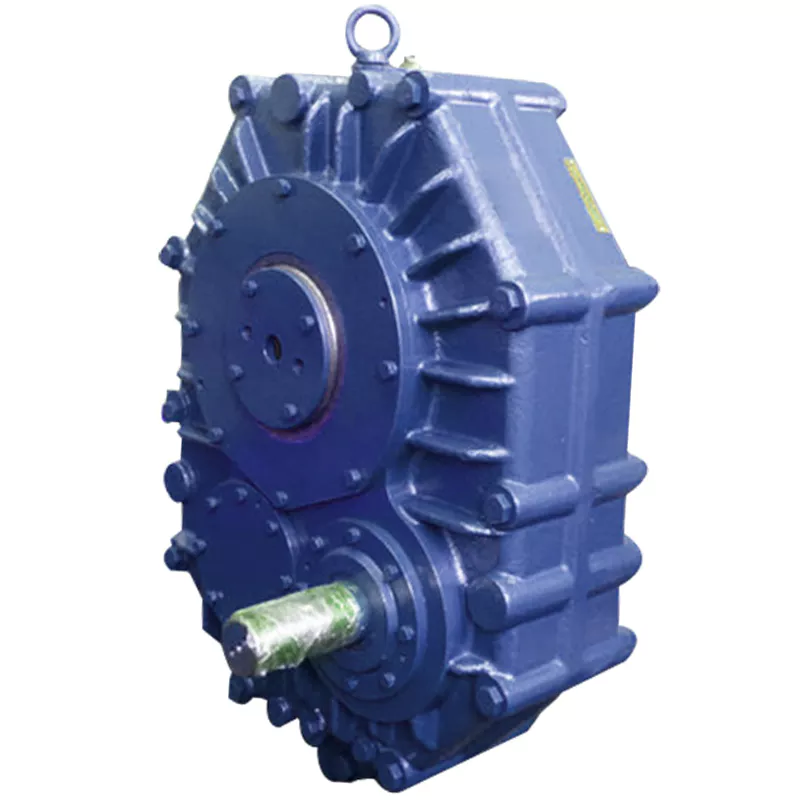
Are there any disadvantages or limitations to using gear reducer systems?
While gear reducer systems offer numerous advantages, they also come with certain disadvantages and limitations that should be considered during the selection and implementation process:
1. Size and Weight: Gear reducers can be bulky and heavy, especially for applications requiring high gear ratios. This can impact the overall size and weight of the machinery or equipment, which may be a concern in space-constrained environments.
2. Efficiency Loss: Despite their high efficiency, gear reducers can experience energy losses due to friction between gear teeth and other components. This can lead to a reduction in overall system efficiency, particularly in cases where multiple gear stages are used.
3. Cost: The design, manufacturing, and assembly of gear reducers can involve complex processes and precision machining, which can contribute to higher initial costs compared to other power transmission solutions.
4. Maintenance: Gear reducer systems require regular maintenance, including lubrication, inspection, and potential gear replacement over time. Maintenance activities can lead to downtime and associated costs in industrial settings.
5. Noise and Vibration: Gear reducers can generate noise and vibrations, especially at high speeds or when operating under heavy loads. Additional measures may be needed to mitigate noise and vibration issues.
6. Limited Gear Ratios: While gear reducers offer a wide range of gear ratios, there may be limitations in achieving extremely high or low ratios in certain designs.
7. Temperature Sensitivity: Extreme temperatures can affect the performance of gear reducer systems, particularly if inadequate lubrication or cooling is provided.
8. Shock Loads: While gear reducers are designed to handle shock loads to some extent, severe shock loads or abrupt changes in torque can still lead to potential damage or premature wear.
Despite these limitations, gear reducer systems remain widely used and versatile components in various industries, and their disadvantages can often be mitigated through proper design, selection, and maintenance practices.
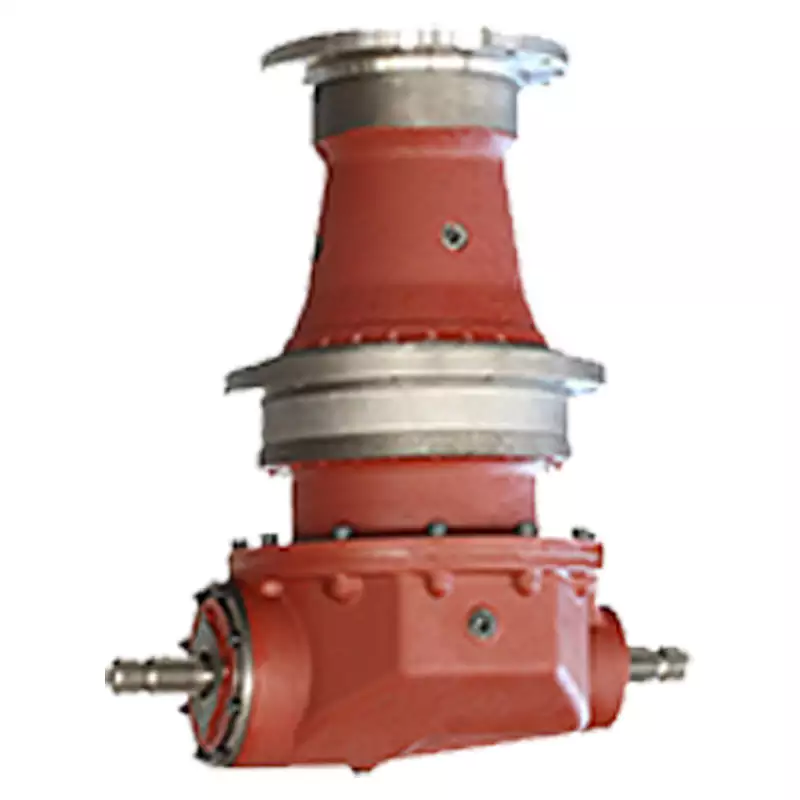
What maintenance practices are essential for prolonging the lifespan of gear reducers?
Proper maintenance is crucial for extending the lifespan and ensuring optimal performance of gear reducers. Here are essential maintenance practices:
- 1. Lubrication: Regular lubrication of gear reducers is vital to reduce friction, wear, and heat generation. Use the recommended lubricant and follow the manufacturer’s guidelines for lubrication intervals.
- 2. Inspection: Routinely inspect gear reducers for signs of wear, damage, or leaks. Check for unusual noises, vibrations, or temperature increases during operation.
- 3. Alignment: Ensure proper alignment of the input and output shafts. Misalignment can lead to increased wear, noise, and reduced efficiency. Align the components according to the manufacturer’s specifications.
- 4. Cooling and Ventilation: Maintain proper cooling and ventilation to prevent overheating. Ensure that cooling fans and vents are clean and unobstructed.
- 5. Seal Maintenance: Inspect and replace seals as needed to prevent contaminants from entering the gear reducer. Contaminants can lead to accelerated wear and reduced performance.
- 6. Bolts and Fasteners: Regularly check and tighten bolts and fasteners to prevent loosening during operation, which can cause misalignment or component damage.
- 7. Replacing Worn Components: Replace worn or damaged components, such as gears, bearings, and seals, with genuine parts from the manufacturer.
- 8. Vibration Analysis: Conduct periodic vibration analysis to identify potential issues early. Excessive vibration can indicate misalignment or component wear.
- 9. Maintenance Records: Keep detailed maintenance records, including lubrication schedules, inspection dates, and component replacements. This helps track the history of the gear reducer and aids in future maintenance planning.
- 10. Training: Provide proper training to maintenance personnel on gear reducer maintenance and troubleshooting techniques.
By adhering to these maintenance practices, you can maximize the lifespan of your gear reducers, minimize downtime, and ensure reliable operation in your industrial processes.
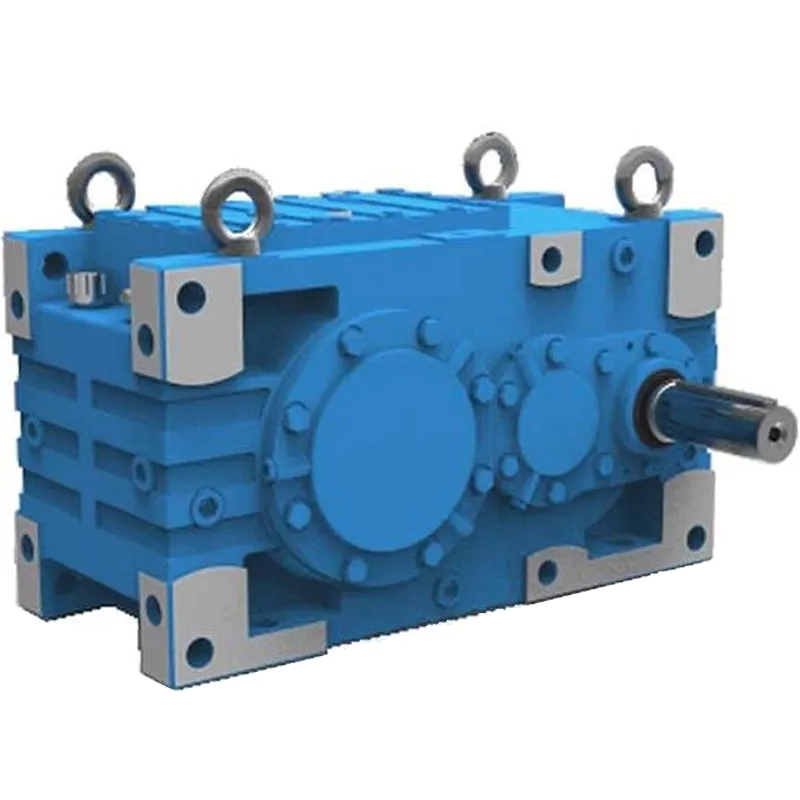
Can you explain the different types of gear reducers available in the market?
There are several types of gear reducers commonly used in industrial applications:
1. Spur Gear Reducers: These reducers have straight teeth and are cost-effective for applications requiring moderate torque and speed reduction. They are efficient but may produce more noise compared to other types.
2. Helical Gear Reducers: Helical gears have angled teeth, which provide smoother and quieter operation compared to spur gears. They offer higher torque capacities and are suitable for heavy-duty applications.
3. Bevel Gear Reducers: Bevel gears have conical shapes and intersect at an angle, allowing them to transmit power between non-parallel shafts. They are commonly used in applications where shafts intersect at 90 degrees.
4. Worm Gear Reducers: Worm gears consist of a worm (screw) and a mating gear (worm wheel). They offer high torque reduction and are used for applications requiring high ratios, although they can be less efficient.
5. Planetary Gear Reducers: These reducers use a system of planetary gears to achieve high torque output in a compact design. They provide excellent torque multiplication and are commonly used in robotics and automation.
6. Cycloidal Gear Reducers: Cycloidal drives use an eccentric cam to achieve speed reduction. They offer high shock load resistance and are suitable for applications with frequent starting and stopping.
7. Harmonic Drive Reducers: Harmonic drives use a flexible spline to achieve high gear reduction ratios. They provide high precision and are commonly used in applications requiring accurate positioning.
8. Hypoid Gear Reducers: Hypoid gears have helical teeth and non-intersecting shafts, making them suitable for applications with space limitations. They offer high torque and efficiency.
Each type of gear reducer has its own advantages and limitations, and the choice depends on factors such as torque requirements, speed ratios, noise levels, space constraints, and application-specific needs.


editor by CX 2024-02-01