Product Description
Product Description
ATA series Gears Accuracy 6 Class reduction gearbox speed reducer
Components:
1. Housing: Nodular Cast Iron(Ductile Iron) QT600
2. Gears Profile: Hardened Helical Gears
3. Gears Material: 20CrMnTi
4. Gears Processing: Carburizing, Quenching, Grinding
5. Gears Hardness: Surface Hardness: HRC58-62, Inner Hardness: HBS156-207
6. Gears Accuracy: 6 Class
7. Shafts Material: 40Cr
8. Input Configurations:
Keyed CHINAMFG Shaft Input
IEC Normalized Motor Flange
9. Output Configurations:
Keyed Hollow Shaft Output
10. Oil Seal: ZheJiang SOG
11. Bearings: NSK, HRB, ZWZ, LYC
12. Spare Parts: Torque arm, Optional Backstop
The features of ATA shaft mounted gearbox:
Mounting Type: Tie rod Hanging shaft mounted
Output Shaft: Single key hollow shaft, each model can select 3 hollow diameter at most.
Gearbox Housing: Hard Iron Steel, can be used outside.
Anti-slip device: Can suit for any model, It’s very convenient to be mounted.
The maintenance of ATA shaft mounted gearbox:
1. Before starting the reducer must be filled of N159 or N220 extreme pressure industrial gear oils, till the gearbox oil shows an intermediate position
2. After 3 months running, the gearbox need to change oil, attention it must be debris inside the machine rinse before adding new oil.
3. At the reducer hollow shaft ends and drive pulley end gland plate must fastened with locking screws.
4. The reducer pulley and the motor pulley must be parallel when they are installed and the belt tightness should be moderate.
Detailed Photos
| Rated Power |
1.1~193KW |
| Intput Speed |
500~1400r/min |
| Output Speed |
25~300r/min |
| Ratio |
IN=5.0…31.5 |
| Installation Form |
Shaft mounted |
The models of ATA shafted mounted gearbox:
1 Stage: ATA30, ATA35, ATA40, ATA45, ATA50, ATA60, ATA70, ATA80, ATA100, ATA125
2 Stage: ATA35D, ATA40D, ATA45D, ATA50D, ATA60D, ATA70D, ATA80D, ATA100D, ATA125D
Product Parameters
Gearbox Parameters:
| Models | Output Bore Dia. | Maximum Torque | Nominal Ratio(i) |
| ATA30 | 30mm | 180Nm | 5
7 10 12.5 15 20 25 31 |
| ATA35 | 35mm | 420Nm | |
| ATA40 | 40mm/45mm | 950Nm | |
| ATA45 | 45mm/50mm/55mm | 1400Nm | |
| ATA50 | 50mm/55mm/60mm | 2300Nm | |
| ATA60 | 60mm/70mm | 3600Nm | |
| ATA70 | 70mm/85mm | 5100Nm | |
| ATA80 | 80mm/100mm | 7000Nm | |
| ATA100 | 100mm/125mm | 11000Nm | |
| ATA125 | 125mm/135mm | 17000Nm |
Certifications
Packaging & Shipping
Packaging & Delivery
ATA series gear reducer Packaging Details:Plastic Bags, Cartons, Wooden Boxes
Port:ZheJiang /HangZhou
Company Profile
Our Advantages
Our Services:
| Pre-sale services | 1. Select equipment model. |
| 2.Design and manufacture products according to clients’ special requirement. | |
| 3.Train technical personal for clients | |
| Services during selling | 1.Pre-check and accept products ahead of delivery. |
| 2. Help clients to draft solving plans. | |
| After-sale services | 1.Assist clients to prepare for the first construction scheme. |
| 2. Train the first-line operators. | |
| 3.Take initiative to eliminate the trouble rapidly. | |
| 4. Provide technical exchanging. |
FAQ
If you have any demand for our products please feel free to contact me
/* March 10, 2571 17:59:20 */!function(){function s(e,r){var a,o={};try{e&&e.split(“,”).forEach(function(e,t){e&&(a=e.match(/(.*?):(.*)$/))&&1
| Application: | Motor, Machinery |
|---|---|
| Function: | Speed Changing, Speed Reduction |
| Layout: | Parallel |
| Hardness: | Hardened |
| Installation: | Torque Arm Type |
| Step: | Single-Step |
| Customization: |
Available
| Customized Request |
|---|
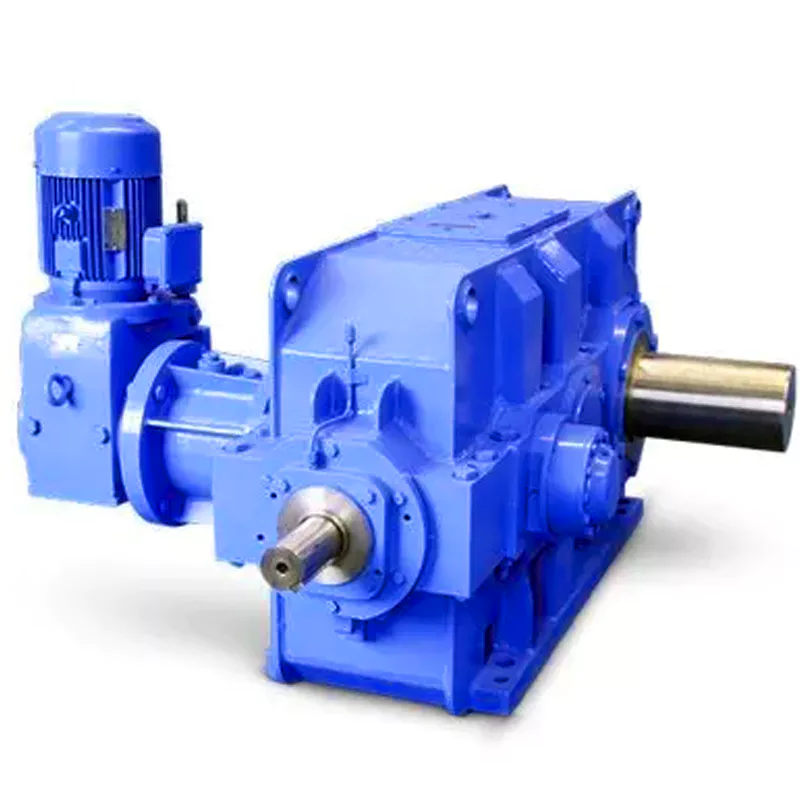
What are the considerations for choosing the appropriate lubrication for gear reducers?
Choosing the appropriate lubrication for gear reducers is crucial for ensuring optimal performance, longevity, and efficiency. Several considerations should be taken into account when selecting the right lubrication:
1. Load and Torque: The magnitude of the load and torque transmitted by the gear reducer affects the lubrication’s viscosity and film strength requirements. Heavier loads may necessitate higher viscosity lubricants.
2. Operating Speed: The speed at which the gear reducer operates impacts the lubrication’s ability to maintain a consistent and protective film between gear surfaces.
3. Temperature Range: Consider the temperature range of the operating environment. Lubricants with suitable viscosity indexes are crucial to maintaining performance under varying temperature conditions.
4. Contaminant Exposure: If the gear reducer is exposed to dust, dirt, water, or other contaminants, the lubrication should have proper sealing properties and resistance to contamination.
5. Lubrication Interval: Determine the desired maintenance interval. Some lubricants require more frequent replacement, while others offer extended operational periods.
6. Compatibility with Materials: Ensure that the chosen lubricant is compatible with the materials used in the gear reducer, including gears, bearings, and seals.
7. Noise and Vibration: Some lubricants have properties that can help reduce noise and dampen vibrations, improving the overall user experience.
8. Environmental Impact: Consider environmental regulations and sustainability goals when selecting lubricants.
9. Manufacturer Recommendations: Follow the manufacturer’s recommendations and guidelines for lubrication type, viscosity grade, and maintenance intervals.
10. Monitoring and Analysis: Implement a lubrication monitoring and analysis program to assess lubricant condition and performance over time.
By carefully evaluating these considerations and consulting with lubrication experts, industries can choose the most suitable lubrication for their gear reducers, ensuring reliable and efficient operation.
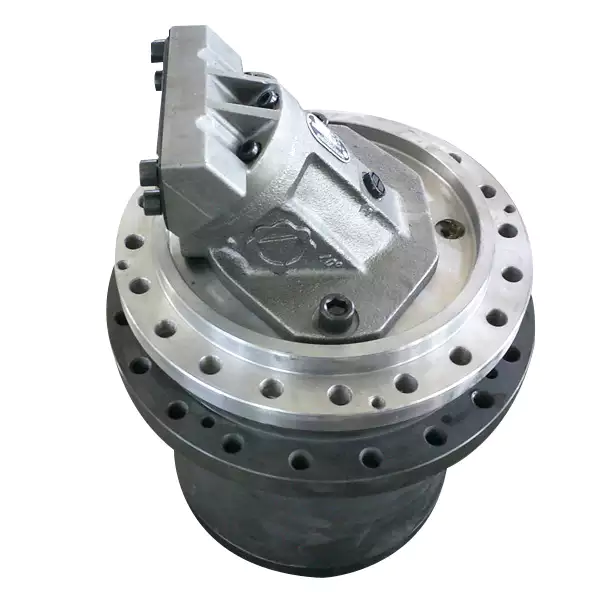
What factors should be considered when selecting the right gear reducer?
Choosing the appropriate gear reducer involves considering several crucial factors to ensure optimal performance and efficiency for your specific application:
- 1. Torque and Power Requirements: Determine the amount of torque and power your machinery needs for its operation.
- 2. Speed Ratio: Calculate the required speed reduction or increase to match the input and output speeds.
- 3. Gear Type: Select the appropriate gear type (helical, bevel, worm, planetary, etc.) based on your application’s torque, precision, and efficiency requirements.
- 4. Mounting Options: Consider the available space and the mounting configuration that suits your machinery.
- 5. Environmental Conditions: Evaluate factors such as temperature, humidity, dust, and corrosive elements that may impact the gear reducer’s performance.
- 6. Efficiency: Assess the gear reducer’s efficiency to minimize power losses and improve overall system performance.
- 7. Backlash: Consider the acceptable level of backlash or play between gear teeth, which can affect precision.
- 8. Maintenance Requirements: Determine the maintenance intervals and procedures necessary for reliable operation.
- 9. Noise and Vibration: Evaluate noise and vibration levels to ensure they meet your machinery’s requirements.
- 10. Cost: Compare the initial cost and long-term value of different gear reducer options.
By carefully assessing these factors and consulting with gear reducer manufacturers, engineers and industry professionals can make informed decisions to select the right gear reducer for their specific application, optimizing performance, longevity, and cost-effectiveness.
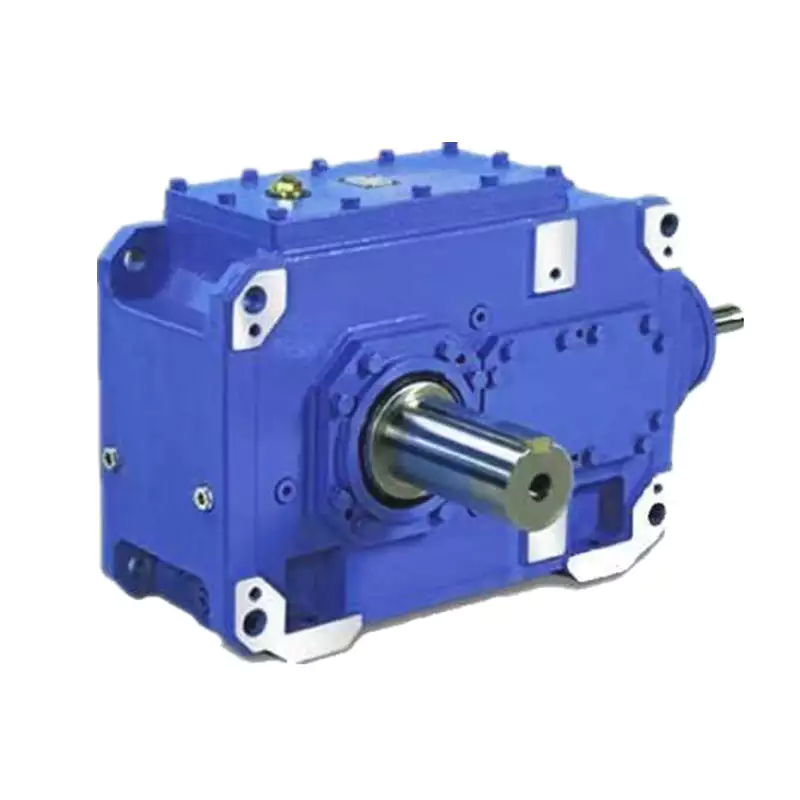
Are there variations in gear reducer designs for specific tasks and applications?
Yes, gear reducer designs vary widely to suit specific tasks and applications across various industries. Manufacturers offer a range of gear reducer types and configurations to accommodate different requirements, including:
- Helical Gear Reducers: These are versatile and provide smooth and efficient torque transmission. They are commonly used in applications requiring high precision and moderate speed reduction, such as conveyors, mixers, and agitators.
- Bevel Gear Reducers: These are ideal for transmitting power between intersecting shafts. They are often used in heavy machinery, printing presses, and automotive applications.
- Worm Gear Reducers: These provide compact solutions and are suitable for applications with higher speed reduction requirements, such as conveyor systems, winches, and elevators.
- Planetary Gear Reducers: These offer high torque density and are used in applications demanding precise control, such as robotics, aerospace, and heavy-duty machinery.
- Parallel Shaft Gear Reducers: Commonly used in industrial machinery, these reducers are designed for high torque and reliability.
- Right-Angle Gear Reducers: These are used when space limitations require a change in shaft direction, commonly found in packaging equipment and conveyors.
Each type of gear reducer has unique features and benefits that make it suitable for specific tasks. Manufacturers often provide customization options to tailor gear reducers to the precise requirements of an application, including gear ratios, mounting options, and input/output configurations.
Therefore, the variation in gear reducer designs allows industries to select the most appropriate type based on factors such as torque, speed, space constraints, precision, and environmental conditions.


editor by CX 2024-02-18