Product Description
Product Description:
1. Flexspline is a hollow flanging standard cylinder structure.
2. There is a large-diameter hollow shaft hole in the middle of the cam of the wave generator. The internal design of the reducer has a support bearing.
3. It has a fully sealed structure and is easy to install. It is very suitable for occasions where the wire needs to be threaded from the center of the reducer.
We use advanced computer software for design and demonstration to provide you with reliable motion and control solutions. The brand of “Zhuolan”, the technical background of major universities and the efficient and pragmatic enterprising spirit of Zhuolan people constitute the CHINAMFG structure of the company’s rapid growth and sustainable development. Several years of development, the company adhering to the “Zhuo Lan” – extraordinary, young out of blue and better than blue concept, condensed a very rich industry experience and scientific management experience of the leadership core, has an excellent technical team in the industry, vivid, harmonious, frank, tolerant cultural atmosphere cultivated a large number of industry elites, formed the company’s capable, dedicated marketing and technical service system, and actively provide you with high-quality products and services. The company takes accelerating the development of China’s transmission machinery and improving the level of industrial automation control as its historical mission, always taking “leading the application of technology, taking user needs as the purpose” as its business philosophy, taking scientific and technological innovation as the foundation of the company’s development, implementing the operation of ISO9000 quality management system into all aspects of the company, and meeting customer needs with excellent quality, value and service.
Our products are widely used in aerospace, CNC machine tools, cutting and welding equipment, textile printing and dyeing machinery, packaging machinery, food machinery, medical machinery, ships, radar, data communication systems, robots, robotic arms, composite equipment, precision testing instruments, testing machines, plastic machinery, glass machinery, coal mining machinery, lifting machinery, metallurgical machinery, engineering machinery and other fields.
| Application: | Motor, Electric Cars, Motorcycle, Machinery, Marine, Agricultural Machinery, Car |
|---|---|
| Hardness: | Hardened Tooth Surface |
| Installation: | 90 Degree |
| Layout: | Coaxial |
| Gear Shape: | Conical – Cylindrical Gear |
| Step: | Single-Step |
| Customization: |
Available
| Customized Request |
|---|
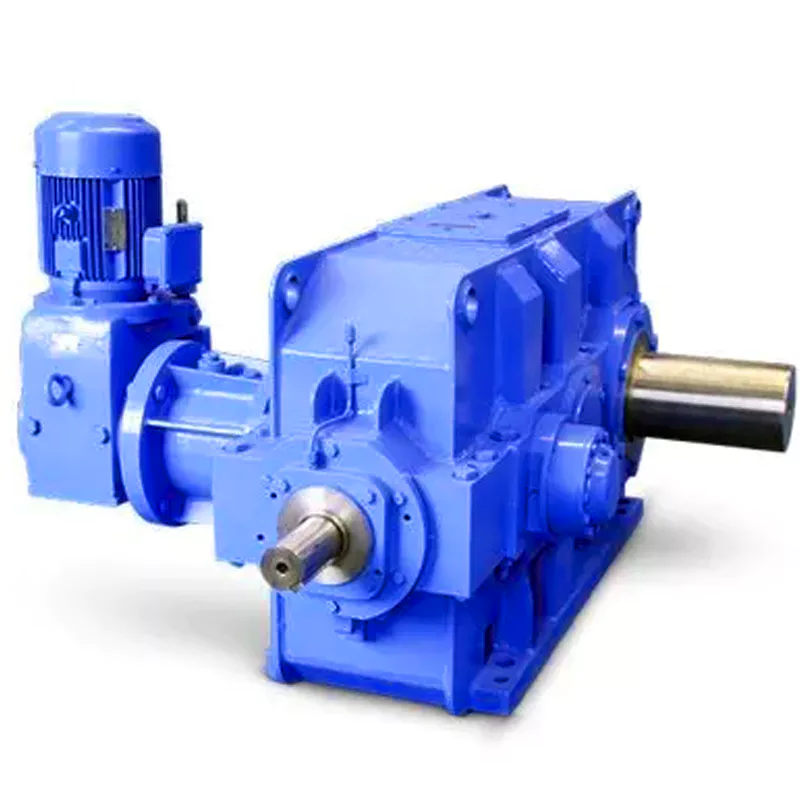
What are the considerations for choosing the appropriate lubrication for gear reducers?
Choosing the appropriate lubrication for gear reducers is crucial for ensuring optimal performance, longevity, and efficiency. Several considerations should be taken into account when selecting the right lubrication:
1. Load and Torque: The magnitude of the load and torque transmitted by the gear reducer affects the lubrication’s viscosity and film strength requirements. Heavier loads may necessitate higher viscosity lubricants.
2. Operating Speed: The speed at which the gear reducer operates impacts the lubrication’s ability to maintain a consistent and protective film between gear surfaces.
3. Temperature Range: Consider the temperature range of the operating environment. Lubricants with suitable viscosity indexes are crucial to maintaining performance under varying temperature conditions.
4. Contaminant Exposure: If the gear reducer is exposed to dust, dirt, water, or other contaminants, the lubrication should have proper sealing properties and resistance to contamination.
5. Lubrication Interval: Determine the desired maintenance interval. Some lubricants require more frequent replacement, while others offer extended operational periods.
6. Compatibility with Materials: Ensure that the chosen lubricant is compatible with the materials used in the gear reducer, including gears, bearings, and seals.
7. Noise and Vibration: Some lubricants have properties that can help reduce noise and dampen vibrations, improving the overall user experience.
8. Environmental Impact: Consider environmental regulations and sustainability goals when selecting lubricants.
9. Manufacturer Recommendations: Follow the manufacturer’s recommendations and guidelines for lubrication type, viscosity grade, and maintenance intervals.
10. Monitoring and Analysis: Implement a lubrication monitoring and analysis program to assess lubricant condition and performance over time.
By carefully evaluating these considerations and consulting with lubrication experts, industries can choose the most suitable lubrication for their gear reducers, ensuring reliable and efficient operation.
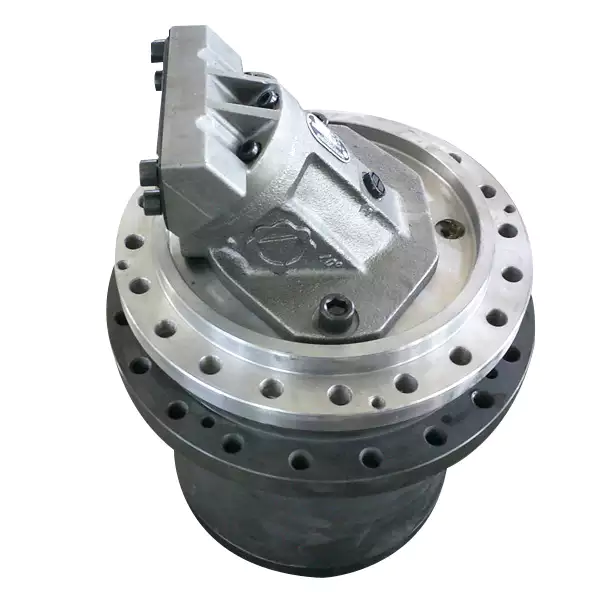
What factors should be considered when selecting the right gear reducer?
Choosing the appropriate gear reducer involves considering several crucial factors to ensure optimal performance and efficiency for your specific application:
- 1. Torque and Power Requirements: Determine the amount of torque and power your machinery needs for its operation.
- 2. Speed Ratio: Calculate the required speed reduction or increase to match the input and output speeds.
- 3. Gear Type: Select the appropriate gear type (helical, bevel, worm, planetary, etc.) based on your application’s torque, precision, and efficiency requirements.
- 4. Mounting Options: Consider the available space and the mounting configuration that suits your machinery.
- 5. Environmental Conditions: Evaluate factors such as temperature, humidity, dust, and corrosive elements that may impact the gear reducer’s performance.
- 6. Efficiency: Assess the gear reducer’s efficiency to minimize power losses and improve overall system performance.
- 7. Backlash: Consider the acceptable level of backlash or play between gear teeth, which can affect precision.
- 8. Maintenance Requirements: Determine the maintenance intervals and procedures necessary for reliable operation.
- 9. Noise and Vibration: Evaluate noise and vibration levels to ensure they meet your machinery’s requirements.
- 10. Cost: Compare the initial cost and long-term value of different gear reducer options.
By carefully assessing these factors and consulting with gear reducer manufacturers, engineers and industry professionals can make informed decisions to select the right gear reducer for their specific application, optimizing performance, longevity, and cost-effectiveness.
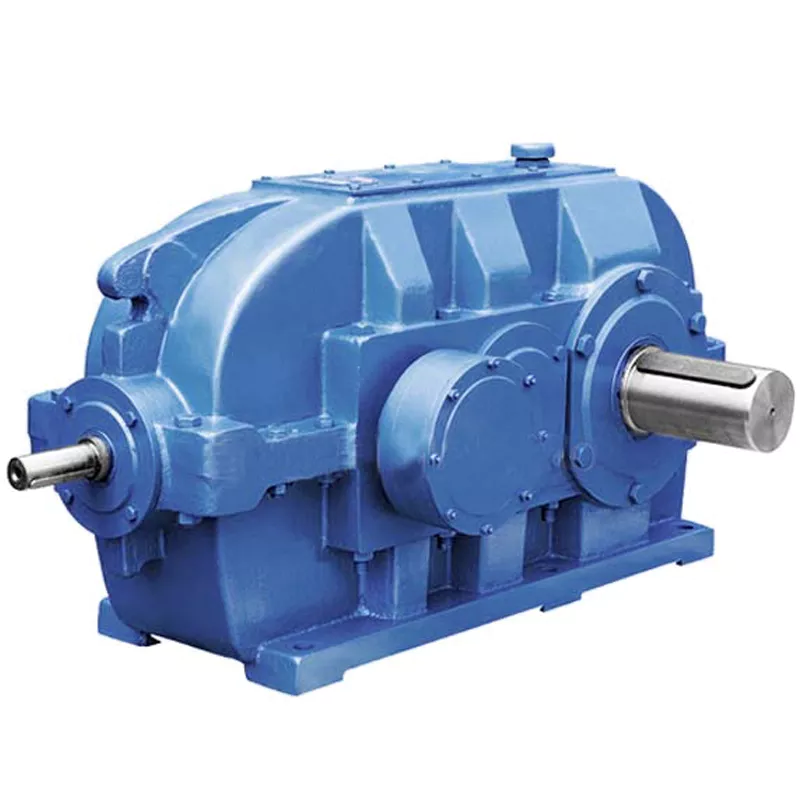
How do gear reducers handle variations in input and output speeds?
Gear reducers are designed to handle variations in input and output speeds through the use of different gear ratios and configurations. They achieve this by utilizing intermeshing gears of varying sizes to transmit torque and control rotational speed.
The basic principle involves connecting two or more gears with different numbers of teeth. When a larger gear (driving gear) engages with a smaller gear (driven gear), the rotational speed of the driven gear decreases while the torque increases. This reduction in speed and increase in torque enable gear reducers to efficiently adapt to variations in input and output speeds.
The gear ratio is a critical factor in determining how much the speed and torque change. It is calculated by dividing the number of teeth on the driven gear by the number of teeth on the driving gear. A higher gear ratio results in a greater reduction in speed and a proportionate increase in torque.
Planetary gear reducers, a common type, use a combination of gears including sun gears, planet gears, and ring gears to achieve different speed reductions and torque enhancements. This design provides versatility in handling variations in speed and torque requirements.
In summary, gear reducers handle variations in input and output speeds by using specific gear ratios and gear arrangements that enable them to efficiently transmit power and control motion characteristics according to the application’s needs.


editor by CX 2023-09-25
China Custom Spur Gear Harmonic Drive Industry Robots High Precision Harmonic Drive Gear Speed Reducer components of gearbox
Product Description
Surface treatment for CNC Machining part:
| 1 | Zinc/nickel/chrome plating |
| 2 | hot galvanized |
| 3 | painting |
| 4 | powder coating |
| 5 | Anodize Oxidation, or with colors: like silver, blue, red, etc. |
| 6 | plating, silver-plated, Gold-plated, etc |
| 7 | polishing |
| 8 | electrolytic polishing |
| 9 | sank without electricity nickel |
| etc | etc. |
HangZhou CHINAMFG Machinery Co., Ltd. is located in HangZhou, HangZhou. Based on the advantages
of specialized talents, it has formed 4 professional project sections with excellent technical
equipment, sound quality assurance system and standardized production environment:
mechanical processing, sheet metal stamping production, Mold manufacturing, high-speed
rice transplanter, with the high recognition of the majority of mature customers, cast the
“Xin Rifeng” brand in the industry’s CHINAMFG position, and strive to build an intelligent
manufacturing service system.
It is people-oriented, Difeng people focus on the production of high-quality rice transplanter
planting department with high quality and advanced technology, all kinds of mold design, R&D
and manufacturing required for sheet metal stamping; at the same time, develop continuous
die and welding.
We always adhere to the customer’s position to solve the problem, the product to achieve
process optimization, reduce costs, and continue to reduce materials for the purpose, so for the
domestic major Asian high-speed main engine factory and high-speed rice transplanter market,
some products are sold to Pakistan, Vietnam, Countries and regions such as India. It has
successively become an excellent supplier of domestic famous enterprises such as Japanese Y
anmar, Japan Kubota, Nideko Electric, Hailiwei and ZheJiang Xihu (West Lake) Dis.. The company has
successively obtained the “HangZhou Small and Medium-sized Specialized Special New Product
(Technology) Certificate” and “ISO9001 Quality Certification” and successfully registered the
“Xin Rifeng” trademark.
| High-quality equipment is the guarantee of product processing quality and capability. Our company always pays attention to the latest technology in mechanical processing and sheet metal stamping. It assembles advanced equipment and testing equipment according to market trends. CNC machine tools all use large-scale numerical control equipment imported from ZheJiang . Keep up with the pace of the times and stay ahead of the industry. |
FAQ
Q1. Are you a factory or a trading company?
We are a factory, welcome to visit our factory.
Q2. What kind of production services do you provide?
Mold manufacturing, die casting, CNC machining, stamping, injection molding, assembly and surface
treatment.
Q3. What’s the delivery date?
Mold: 3-5 weeks
Mass production: 3-4 weeks
Q4. How is your quality?
♦We have obtained ISO9001:2015 and IATF16949 certificates.
♦Once the sample is passed, we will make the operating instructions.
♦We will check the products 100% before shipment.
Q5. How long will it take for us to get a quotation?
After receiving the detailed information (your 2D/3D drawings or samples), we will quote you within
2 days.
Q6. What are the elements of your quotation?
Drawings or samples, materials, surface treatment and quantity.
Q7. What are your payment terms?
Mold: 50% prepaid, the balance after sample approval.
Goods: 50% prepaid, balance T/T before shipment.
| Condition: | New |
|---|---|
| Certification: | CE, ISO9001 |
| Standard: | ASTM, GB, ANSI |
| Customized: | Customized |
| Material: | Custom Made |
| Application: | Metal Recycling Machine, Metal Cutting Machine, Metal Straightening Machinery, Metal Spinning Machinery, Metal Processing Machinery Parts, Metal forging Machinery, Metal Engraving Machinery, Metal Drawing Machinery, Metal Coating Machinery, Metal Casting Machinery |
| Samples: |
US$ 1/Piece
1 Piece(Min.Order) | |
|---|
| Customization: |
Available
| Customized Request |
|---|
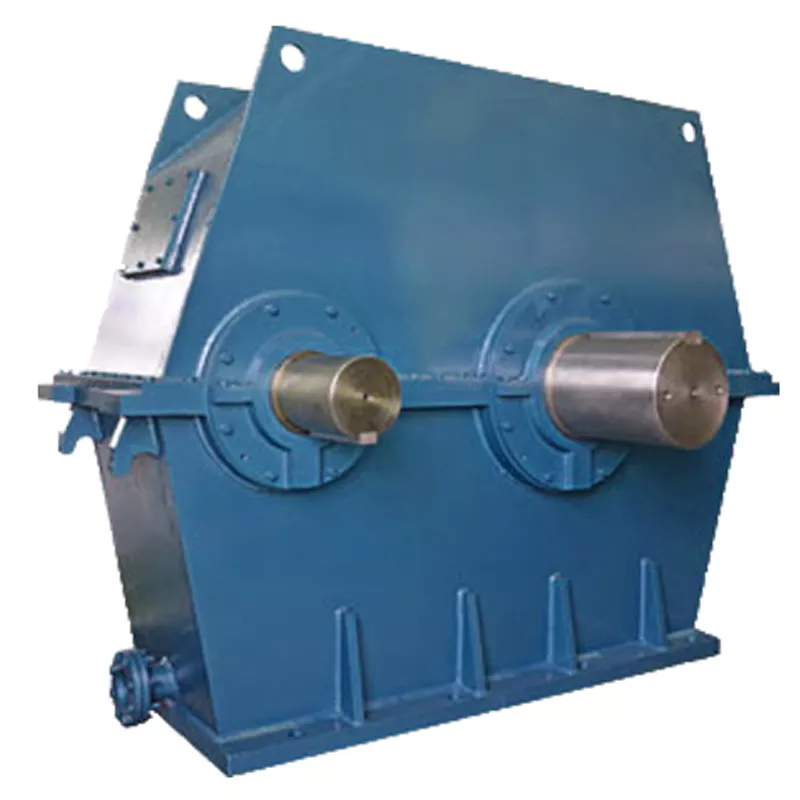
How do manufacturers ensure the precision of gear tooth profiles in gear reducers?
Manufacturers employ several techniques to ensure the precision of gear tooth profiles in gear reducers, which is crucial for optimal performance and efficiency:
1. Precision Machining: Gear teeth are typically machined using advanced CNC (Computer Numerical Control) machines that can achieve high levels of accuracy and repeatability. This ensures consistent gear tooth profiles across multiple components.
2. Quality Control Measures: Rigorous quality control processes, such as dimensional inspections and profile measurements, are performed at various stages of manufacturing to verify that gear tooth profiles meet the required specifications.
3. Tooth Profile Design: Engineers use specialized software and simulation tools to design gear tooth profiles with precise involute shapes and accurate dimensions. These designs are then translated into machine instructions for manufacturing.
4. Material Selection: High-quality materials with excellent wear resistance and dimensional stability are chosen to minimize the potential for deformation or inaccuracies during machining and operation.
5. Heat Treatment: Heat treatment processes, such as carburizing and quenching, are applied to enhance the surface hardness and durability of gear teeth, reducing the risk of wear and deformation over time.
6. Tooth Grinding and Finishing: After initial machining, gear teeth often undergo precision grinding and finishing processes to achieve the desired tooth profile accuracy and surface finish.
7. Post-Processing Inspection: Gear tooth profiles are inspected again after manufacturing processes to verify that the final components meet the specified tolerances and performance criteria.
8. Computer-Aided Manufacturing (CAM): CAM software is used to generate tool paths and machining instructions, enabling precise control over tool movements and material removal during gear manufacturing.
By combining these techniques and leveraging advanced manufacturing technologies, manufacturers can achieve the necessary precision in gear tooth profiles, resulting in reliable and efficient gear reducers for various industrial applications.
How do gear reducers handle shock loads and sudden changes in torque?
Gear reducers are designed to handle shock loads and sudden changes in torque through several mechanisms that enhance their durability and reliability in challenging operating conditions.
1. Robust Construction: Gear reducers are constructed using high-strength materials and precision manufacturing techniques. This ensures that the gears, bearings, and other components can withstand sudden impacts and high torque fluctuations without deformation or failure.
2. Shock-Absorbing Features: Some gear reducer designs incorporate shock-absorbing features, such as flexible couplings, elastomeric elements, or torsionally flexible gear designs. These features help dampen and dissipate the energy from sudden shocks or torque spikes, reducing the impact on the entire system.
3. Torque Limiters: In applications where shock loads are common, torque limiters may be integrated into the gear reducer. These devices automatically disengage or slip when a certain torque threshold is exceeded, preventing damage to the gears and other components.
4. Overload Protection: Gear reducers can be equipped with overload protection mechanisms, such as shear pins or torque sensors. These mechanisms detect excessive torque and disengage the drive temporarily, allowing the system to absorb the shock or adjust to the sudden torque change.
5. Proper Lubrication: Adequate lubrication is essential for managing shock loads and sudden torque changes. High-quality lubricants reduce friction and wear, helping the gear reducer withstand dynamic forces and maintain smooth operation.
6. Dynamic Load Distribution: Gear reducers distribute dynamic loads across multiple gear teeth, which helps prevent localized stress concentrations. This feature minimizes the risk of tooth breakage and gear damage when subjected to sudden changes in torque.
By incorporating these design features and mechanisms, gear reducers can effectively handle shock loads and sudden changes in torque, ensuring the longevity and reliability of various industrial and mechanical systems.
Can you explain the different types of gear reducers available in the market?
There are several types of gear reducers commonly used in industrial applications:
1. Spur Gear Reducers: These reducers have straight teeth and are cost-effective for applications requiring moderate torque and speed reduction. They are efficient but may produce more noise compared to other types.
2. Helical Gear Reducers: Helical gears have angled teeth, which provide smoother and quieter operation compared to spur gears. They offer higher torque capacities and are suitable for heavy-duty applications.
3. Bevel Gear Reducers: Bevel gears have conical shapes and intersect at an angle, allowing them to transmit power between non-parallel shafts. They are commonly used in applications where shafts intersect at 90 degrees.
4. Worm Gear Reducers: Worm gears consist of a worm (screw) and a mating gear (worm wheel). They offer high torque reduction and are used for applications requiring high ratios, although they can be less efficient.
5. Planetary Gear Reducers: These reducers use a system of planetary gears to achieve high torque output in a compact design. They provide excellent torque multiplication and are commonly used in robotics and automation.
6. Cycloidal Gear Reducers: Cycloidal drives use an eccentric cam to achieve speed reduction. They offer high shock load resistance and are suitable for applications with frequent starting and stopping.
7. Harmonic Drive Reducers: Harmonic drives use a flexible spline to achieve high gear reduction ratios. They provide high precision and are commonly used in applications requiring accurate positioning.
8. Hypoid Gear Reducers: Hypoid gears have helical teeth and non-intersecting shafts, making them suitable for applications with space limitations. They offer high torque and efficiency.
Each type of gear reducer has its own advantages and limitations, and the choice depends on factors such as torque requirements, speed ratios, noise levels, space constraints, and application-specific needs.
editor by CX 2023-09-25
China OEM Harmonic Drive Gearbox for Industry Robots High Precision Harmonic Drive Gear Speed Reducer supplier
Product Description
Product Description:
1. Flexspline is a hollow flanging standard cylinder structure.
2. The structure of the whole item is compact. The input shaft is directly matched with the inner hole of the wave generator. They are connected by a flat key slot.
3. The connecting way is circular spline fixed and flexible output, Or it can also be used that flexible fixed and circular spline output.
Advantages:
1. High precision, high torque
2. Dedicated technical personnel can be on-the-go to provide design solutions
3. Factory direct sales fine workmanship durable quality assurance
4. Product quality issues have a one-year warranty time, can be returned for replacement or repair
Company profile:
HangZhou CHINAMFG Technology Co., Ltd. established in 2014, is committed to the R & D plant of high-precision transmission components. At present, the annual production capacity can reach 45000 sets of harmonic reducers. We firmly believe in quality first. All links from raw materials to finished products are strictly supervised and controlled, which provides a CHINAMFG foundation for product quality. Our products are sold all over the country and abroad.
The harmonic reducer and other high-precision transmission components were independently developed by the company. Our company spends 20% of its sales every year on the research and development of new technologies in the industry. There are 5 people in R & D.
Our advantage is as below:
1.7 years of marketing experience
2. 5-person R & D team to provide you with technical support
3. It is sold at home and abroad and exported to Turkey and Ireland
4. The product quality is guaranteed with a one-year warranty
5. Products can be customized
Strength factory:
Our plant has an entire campus The number of workshops is around 300 Whether it’s from the production of raw materials and the procurement of raw materials to the inspection of finished products, we’re doing it ourselves. There is a complete production system
HCS-I Parameter:
| Model | Speed ratio | Enter the rated torque at 2000r/min | Allowed CHINAMFG torque at start stop | The allowable maximum of the average load torque | Maximum torque is allowed in an instant | Allow the maximum speed to be entered | Average input speed is allowed | Back gap | design life | ||||
| NM | kgfm | NM | kgfm | NM | kgfm | NM | kgfm | r / min | r / min | Arc sec | Hour | ||
| 11 | 80 | 3.8 | 0.4 | 8.5 | 0.9 | 6.8 | 0.7 | 19.1 | 1.9 | 8000 | 3000 | ≤30 | 10000 |
| 100 | 4.1 | 0.4 | 8.9 | 0.9 | 7.2 | 0.7 | 20 | 2 | |||||
| 14 | 50 | 6.2 | 0.6 | 20.7 | 2.1 | 7.9 | 0.7 | 40.3 | 4.1 | 7000 | 3000 | ≤30 | 15000 |
| 80 | 9 | 0.9 | 27 | 2.7 | 12.7 | 1.3 | 54.1 | 5.5 | |||||
| 100 | 9 | 0.9 | 32 | 3.3 | 12.7 | 1.3 | 62.1 | 6.3 | |||||
| 17 | 50 | 18.4 | 1.9 | 39 | 4 | 29.9 | 3 | 80.5 | 8.2 | 6500 | 3000 | ≤30 | 15000 |
| 80 | 25.3 | 2.6 | 49.5 | 5 | 31 | 3.2 | 100.1 | 10.2 | |||||
| 100 | 27.6 | 2.8 | 62 | 6.3 | 45 | 4.6 | 124.2 | 12.7 | |||||
| 20 | 50 | 28.8 | 2.9 | 64.4 | 6.6 | 39 | 4 | 112.7 | 11.5 | 5600 | 3000 | ≤30 | 15000 |
| 80 | 39.1 | 4 | 85 | 8.8 | 54 | 5.5 | 146.1 | 14.9 | |||||
| 100 | 46 | 4.7 | 94.3 | 9.6 | 56 | 5.8 | 169.1 | 17.2 | |||||
| 120 | 46 | 4.7 | 100 | 10.2 | 56 | 5.8 | 169.1 | 17.2 | |||||
| 160 | 46 | 4.7 | 112 | 10.9 | 56 | 5.8 | 169.1 | 17.2 | |||||
| 25 | 50 | 44.9 | 4.6 | 113 | 11.5 | 63 | 6.5 | 213.9 | 21.8 | 4800 | 3000 | ≤30 | 15000 |
| 80 | 72.5 | 7.4 | 158 | 16.1 | 100 | 10.2 | 293.3 | 29.9 | |||||
| 100 | 77.1 | 7.9 | 181 | 18.4 | 124 | 12.7 | 326.6 | 33.3 | |||||
| 120 | 77.1 | 7.9 | 192 | 19.6 | 124 | 12.7 | 349.6 | 35.6 | |||||
| 32 | 50 | 87.4 | 8.9 | 248 | 25.3 | 124 | 12.7 | 439 | 44.8 | 4000 | 3000 | ≤30 | 15000 |
| 80 | 135.7 | 13.8 | 350 | 35.6 | 192 | 19.6 | 653 | 66.6 | |||||
| 100 | 157.6 | 16.1 | 383 | 39.1 | 248 | 25.3 | 744 | 75.9 | |||||
| 120 | 157.6 | 16.1 | 406 | 41.4 | 248 | 25.3 | 789 | 80.5 | |||||
HCG Parameter:
| Model | Speed ratio | Enter the rated torque at 2000r/min | Allowed CHINAMFG torque at start stop | The allowable maximum of the average load torque | Maximum torque is allowed in an instant | Allow the maximum speed to be entered | Average input speed is allowed | Back gap | design life | ||||
| NM | kgfm | NM | kgfm | NM | kgfm | NM | kgfm | r / min | r / min | Arc sec | Hour | ||
| 11 | 80 | 3.8 | 0.4 | 8.5 | 0.9 | 6.8 | 0.7 | 19.1 | 1.9 | 8000 | 3000 | ≤20 | 10000 |
| 100 | 4.1 | 0.4 | 8.9 | 0.9 | 7.2 | 0.7 | 20 | 2 | |||||
| 14 | 50 | 7 | 0.7 | 23 | 2.3 | 9 | 0.9 | 46 | 4.7 | 10000 | 6500 | ≤20 | 15000 |
| 80 | 10 | 1 | 30 | 3.1 | 14 | 1.4 | 61 | 6.2 | |||||
| 100 | 10 | 1 | 36 | 3.7 | 14 | 1.4 | 70 | 7.2 | |||||
| 17 | 50 | 21 | 2.1 | 44 | 4.5 | 34 | 3.4 | 91 | 9 | 7500 | 5600 | ≤20 | 20000 |
| 80 | 29 | 2.9 | 56 | 5.7 | 35 | 3.6 | 113 | 12 | |||||
| 100 | 31 | 3.2 | 70 | 7.2 | 51 | 5.2 | 143 | 15 | |||||
| 20 | 50 | 33 | 3.3 | 73 | 7.4 | 44 | 4.5 | 127 | 13 | 7000 | 4800 | ≤20 | 2000 |
| 80 | 44 | 4.5 | 96 | 9.8 | 61 | 6.2 | 165 | 17 | |||||
| 100 | 52 | 5.3 | 107 | 10.9 | 64 | 6.5 | 191 | 20 | |||||
| 120 | 52 | 5.3 | 113 | 11.5 | 64 | 6.5 | 191 | 20 | |||||
| 160 | 52 | 5.3 | 120 | 12.2 | 64 | 6.5 | 191 | 20 | |||||
| 25 | 50 | 51 | 5.2 | 127 | 13 | 72 | 7.3 | 242 | 25 | 5600 | 4000 | ≤20 | 2000 |
| 80 | 82 | 8.4 | 178 | 18 | 113 | 12 | 332 | 34 | |||||
| 100 | 87 | 8.9 | 204 | 21 | 140 | 14 | 369 | 38 | |||||
| 120 | 87 | 8.9 | 217 | 22 | 140 | 14 | 395 | 40 | |||||
| 32 | 50 | 99 | 10 | 281 | 29 | 140 | 14 | 497 | 51 | 5600 | 3000 | ≤20 | 2000 |
| 80 | 153 | 16 | 395 | 40 | 217 | 22 | 738 | 75 | |||||
| 100 | 178 | 18 | 433 | 44 | 281 | 29 | 841 | 86 | |||||
| 120 | 178 | 18 | 459 | 47 | 281 | 29 | 892 | 91 | |||||
Exhibitions:
Application case:
FQA:
Q: What should I provide when I choose a gearbox/speed reducer?
A: The best way is to provide the motor drawing with parameters. Our engineer will check and recommend the most suitable gearbox model for your reference.
Or you can also provide the below specification as well:
1) Type, model, and torque.
2) Ratio or output speed
3) Working condition and connection method
4) Quality and installed machine name
5) Input mode and input speed
6) Motor brand model or flange and motor shaft size
| Application: | Motor, Electric Cars, Motorcycle, Machinery, Marine, Car |
|---|---|
| Hardness: | Hardened Tooth Surface |
| Installation: | 90 Degree |
| Layout: | Coaxial |
| Gear Shape: | Cylindrical Gear |
| Step: | Single-Step |
| Customization: |
Available
| Customized Request |
|---|
editor by CX 2023-09-12
China Custom High Accurate Transmission Strain Wave Gear Harmonic Drive Reducer sequential gearbox
Product Description
Surface treatment for CNC Machining part:
| 1 | Zinc/nickel/chrome plating |
| 2 | hot galvanized |
| 3 | painting |
| 4 | powder coating |
| 5 | Anodize Oxidation, or with colors: like silver, blue, red, etc. |
| 6 | plating, silver-plated, Gold-plated, etc |
| 7 | polishing |
| 8 | electrolytic polishing |
| 9 | sank without electricity nickel |
| etc | etc. |
HangZhou CZPT Machinery Co., Ltd. is located in HangZhou, HangZhou. Based on the advantages
of specialized talents, it has formed 4 professional project sections with excellent technical
equipment, sound quality assurance system and standardized production environment:
mechanical processing, sheet metal stamping production, Mold manufacturing, high-speed
rice transplanter, with the high recognition of the majority of mature customers, cast the
“Xin Rifeng” brand in the industry’s CZPT position, and strive to build an intelligent
manufacturing service system.
It is people-oriented, Difeng people focus on the production of high-quality rice transplanter
planting department with high quality and advanced technology, all kinds of mold design, R&D
and manufacturing required for sheet metal stamping; at the same time, develop continuous
die and welding.
We always adhere to the customer’s position to solve the problem, the product to achieve
process optimization, reduce costs, and continue to reduce materials for the purpose, so for the
domestic major Asian high-speed main engine factory and high-speed rice transplanter market,
some products are sold to Pakistan, Vietnam, Countries and regions such as India. It has
successively become an excellent supplier of domestic famous enterprises such as Japanese Y
anmar, Japan Kubota, Nideko Electric, Hailiwei and ZheJiang Xihu (West Lake) Dis.. The company has
successively obtained the “HangZhou Small and Medium-sized Specialized Special New Product
(Technology) Certificate” and “ISO9001 Quality Certification” and successfully registered the
“Xin Rifeng” trademark.
| High-quality equipment is the guarantee of product processing quality and capability. Our company always pays attention to the latest technology in mechanical processing and sheet metal stamping. It assembles advanced equipment and testing equipment according to market trends. CNC machine tools all use large-scale numerical control equipment imported from ZheJiang . Keep up with the pace of the times and stay ahead of the industry. |
FAQ
Q1. Are you a factory or a trading company?
We are a factory, welcome to visit our factory.
Q2. What kind of production services do you provide?
Mold manufacturing, die casting, CNC machining, stamping, injection molding, assembly and surface
treatment.
Q3. What’s the delivery date?
Mold: 3-5 weeks
Mass production: 3-4 weeks
Q4. How is your quality?
♦We have obtained ISO9001:2015 and IATF16949 certificates.
♦Once the sample is passed, we will make the operating instructions.
♦We will check the products 100% before shipment.
Q5. How long will it take for us to get a quotation?
After receiving the detailed information (your 2D/3D drawings or samples), we will quote you within
2 days.
Q6. What are the elements of your quotation?
Drawings or samples, materials, surface treatment and quantity.
Q7. What are your payment terms?
Mold: 50% prepaid, the balance after sample approval.
Goods: 50% prepaid, balance T/T before shipment.
| Condition: | New |
|---|---|
| Certification: | CE, ISO9001 |
| Standard: | ASTM, GB, ANSI |
| Customized: | Customized |
| Material: | Custom Made |
| Application: | Metal Recycling Machine, Metal Cutting Machine, Metal Straightening Machinery, Metal Spinning Machinery, Metal Processing Machinery Parts, Metal forging Machinery, Metal Engraving Machinery, Metal Drawing Machinery, Metal Coating Machinery, Metal Casting Machinery |
| Samples: |
US$ 1/Piece
1 Piece(Min.Order) | |
|---|
| Customization: |
Available
| Customized Request |
|---|
How do manufacturers ensure the precision of gear tooth profiles in gear reducers?
Manufacturers employ several techniques to ensure the precision of gear tooth profiles in gear reducers, which is crucial for optimal performance and efficiency:
1. Precision Machining: Gear teeth are typically machined using advanced CNC (Computer Numerical Control) machines that can achieve high levels of accuracy and repeatability. This ensures consistent gear tooth profiles across multiple components.
2. Quality Control Measures: Rigorous quality control processes, such as dimensional inspections and profile measurements, are performed at various stages of manufacturing to verify that gear tooth profiles meet the required specifications.
3. Tooth Profile Design: Engineers use specialized software and simulation tools to design gear tooth profiles with precise involute shapes and accurate dimensions. These designs are then translated into machine instructions for manufacturing.
4. Material Selection: High-quality materials with excellent wear resistance and dimensional stability are chosen to minimize the potential for deformation or inaccuracies during machining and operation.
5. Heat Treatment: Heat treatment processes, such as carburizing and quenching, are applied to enhance the surface hardness and durability of gear teeth, reducing the risk of wear and deformation over time.
6. Tooth Grinding and Finishing: After initial machining, gear teeth often undergo precision grinding and finishing processes to achieve the desired tooth profile accuracy and surface finish.
7. Post-Processing Inspection: Gear tooth profiles are inspected again after manufacturing processes to verify that the final components meet the specified tolerances and performance criteria.
8. Computer-Aided Manufacturing (CAM): CAM software is used to generate tool paths and machining instructions, enabling precise control over tool movements and material removal during gear manufacturing.
By combining these techniques and leveraging advanced manufacturing technologies, manufacturers can achieve the necessary precision in gear tooth profiles, resulting in reliable and efficient gear reducers for various industrial applications.
What maintenance practices are essential for prolonging the lifespan of gear reducers?
Proper maintenance is crucial for extending the lifespan and ensuring optimal performance of gear reducers. Here are essential maintenance practices:
- 1. Lubrication: Regular lubrication of gear reducers is vital to reduce friction, wear, and heat generation. Use the recommended lubricant and follow the manufacturer’s guidelines for lubrication intervals.
- 2. Inspection: Routinely inspect gear reducers for signs of wear, damage, or leaks. Check for unusual noises, vibrations, or temperature increases during operation.
- 3. Alignment: Ensure proper alignment of the input and output shafts. Misalignment can lead to increased wear, noise, and reduced efficiency. Align the components according to the manufacturer’s specifications.
- 4. Cooling and Ventilation: Maintain proper cooling and ventilation to prevent overheating. Ensure that cooling fans and vents are clean and unobstructed.
- 5. Seal Maintenance: Inspect and replace seals as needed to prevent contaminants from entering the gear reducer. Contaminants can lead to accelerated wear and reduced performance.
- 6. Bolts and Fasteners: Regularly check and tighten bolts and fasteners to prevent loosening during operation, which can cause misalignment or component damage.
- 7. Replacing Worn Components: Replace worn or damaged components, such as gears, bearings, and seals, with genuine parts from the manufacturer.
- 8. Vibration Analysis: Conduct periodic vibration analysis to identify potential issues early. Excessive vibration can indicate misalignment or component wear.
- 9. Maintenance Records: Keep detailed maintenance records, including lubrication schedules, inspection dates, and component replacements. This helps track the history of the gear reducer and aids in future maintenance planning.
- 10. Training: Provide proper training to maintenance personnel on gear reducer maintenance and troubleshooting techniques.
By adhering to these maintenance practices, you can maximize the lifespan of your gear reducers, minimize downtime, and ensure reliable operation in your industrial processes.
What industries and machinery commonly utilize gear reducers?
Gear reducers are widely used across various industries and types of machinery for torque reduction and speed control. Some common industries and applications include:
- 1. Manufacturing: Gear reducers are used in manufacturing equipment such as conveyors, mixers, and packaging machines to control speed and transmit power efficiently.
- 2. Automotive: They are utilized in vehicles for applications like power transmission in transmissions and differentials.
- 3. Aerospace: Gear reducers are used in aircraft systems, including landing gear mechanisms and engine accessories.
- 4. Robotics and Automation: They play a crucial role in robotic arms, CNC machines, and automated production lines.
- 5. Mining and Construction: Gear reducers are used in heavy machinery like excavators, bulldozers, and crushers for power transmission and torque multiplication.
- 6. Energy and Power Generation: Wind turbines, hydroelectric generators, and other power generation equipment use gear reducers to convert rotational speed and transmit power.
- 7. Marine and Shipbuilding: They are used in ship propulsion systems, steering mechanisms, and anchor handling equipment.
- 8. Material Handling: Gear reducers are essential in conveyor systems, elevators, and hoists for controlled movement of materials.
- 9. Food and Beverage: They find applications in food processing equipment like mixers, grinders, and packaging machines.
- 10. Paper and Pulp: Gear reducers are used in machinery for pulp processing, paper production, and printing.
These examples represent just a fraction of the industries and machinery that benefit from the use of gear reducers to optimize power transmission and achieve the desired motion characteristics.
editor by CX 2023-09-06
China Standard CZPT Planetary Harmonic Drive Cycloidal Gear Reducer Variable Speed Gearbox cycloidal gearbox
Product Description
GRH specialized in providing hydraulic components and solutions for hydraulic systems.
With continuous improvement and enthusiasm over the past 30 years, CZPT has developed into an emerging power in the fluid power industry since it was established in 1986.
GRH (ZheJiang ) – International Sales Office
GRH (ZheJiang ) – Manufacturing Facility and Domestic Sales Office
—————————————————————————————————————————————————
Production description
| We can produce motor according to your needs ! |
About Us
Application and Partners
Contact us!
| Application: | Motor, Machinery, Agricultural Machinery |
|---|---|
| Hardness: | Hardened Tooth Surface |
| Installation: | Vertical Type |
| Layout: | Expansion |
| Gear Shape: | Conical – Cylindrical Gear |
| Step: | Stepless |
| Samples: |
US$ 1050/Piece
1 Piece(Min.Order) | |
|---|
| Customization: |
Available
| Customized Request |
|---|
editor by CX 2023-08-31
China wholesaler Harmonic Drive High Precision Strain Wave Gear Reducer Industrial Robot Harmonic Gearbox car gearbox
Product Description
Company Profile
Welcome to our Harmonic Gearbox Factory, where we specialize in the production of high-quality precision gear systems. With years of experience in the industry, we have established ourselves as a trusted manufacturer and supplier of harmonic reducers to various industries worldwide.
Our Factory Facilities:
Equipped with advanced machinery and cutting-edge technology, our factory boasts a spacious and well-organized production floor. We have invested heavily in automation and robotics to ensure efficient and precise manufacturing processes. Our team of skilled technicians and engineers work diligently to maintain the highest standards of product quality.
Product Range:
At our factory, we produce a comprehensive range of harmonic reducers that cater to diverse industrial needs. Our product portfolio includes both standard series and customized designs, offering a wide selection to our customers. From small-scale applications to heavy-duty machinery, our harmonic reducers provide excellent torque handling capabilities, smooth operations, and enhanced efficiency.
Quality Assurance:
We understand the importance of delivering reliable and durable products to our customers. Each stage of our manufacturing process adheres to strict quality control measures. We source premium-grade materials from reputable suppliers, conduct rigorous inspections during production, and perform thorough testing before dispatching our products. This commitment to quality ensures that our harmonic reducers meet or exceed international standards.
Research and Development:
Innovation is at the core of our factory’s operations. Our dedicated research and development team continuously strives to improve our products and develop new solutions to meet evolving industry demands. Through constant experimentation and collaboration with industry experts, we stay ahead of the curve and deliver cutting-edge harmonic reducers that optimize performance and reliability.
Customer Satisfaction:
At our factory, customer satisfaction is paramount. We prioritize clear communication, timely delivery, and responsive after-sales support. We work closely with our clients to understand their specific requirements and provide tailored solutions that address their unique needs. Our commitment to building long-term relationships has earned us a loyal customer base that relies on our harmonic reducers for their critical applications.
Environmental Responsibility:
We are dedicated to minimizing our environmental impact and promoting sustainable practices. Our factory adheres to strict waste management protocols, energy-saving measures, and eco-friendly manufacturing techniques. We continually strive to reduce our carbon footprint and contribute positively to the communities we operate in.
Conclusion:
If you are seeking superior-quality harmonic reducers for your industrial applications, our factory is your ideal partner. With a focus on precision, innovation, and customer satisfaction, we deliver reliable and efficient gear systems that enhance the performance of your machinery. Contact us today to discuss your requirements and experience the CZPT of our harmonic reducers.
Our Advantages
High precision
A good percentage of harmonic gear reducer’s teeth are meshed at all times and are engaged at 2 zones 180 degrees apart. This means influences of tooth pitch errors and accumulated pitch errors on rotational accuracy are neutralized, which assures high positional and rotational accuracy.
Long service time
As a professional harmonic drive gearbox company and strain wave gear manufacturer in China, Hanzhen harmonic drive reducers with superior harmonic drive efficiency and long service time.
Light weight and compact size
While being less the size of conventional gearing mechanisms and less the weight, the strain wave reducer provides the same levels of torque and speed reduction ratios as its conventional counterparts enabling machinery and equipment to be made smaller and lighter.
High speed reduction ratio
A harmonic gear reducer has high single-stage reduction ratios also known as harmonic drive gear ratio or harmonic drive ratio of 1/30-1/500. Three basic components along same axle without complex structures can provide high reduction ratios.
High torque capacity
Each tooth subjected to a negligible amount of force yet provides a high torque capacity because of the way the teeth come into contact with each other and because a good percentage of the teeth in the flex spline is engaged at all times.
Minimum vibration and quiet
Hanzhen harmonic drive reducers also operate with quiet and minimal vibration.
Product Parameters
XB1-AS-GF
| Warranty | 1 Year Return & Exchange |
| Life Span | Over 15000 hrs |
| Customized Service | Size & Solution |
| Production Capacity | 50000 Pieces / year |
FAQ
Q: What should I provide when I choose a gearbox/speed reducer?
A: The best way is to provide the motor drawing with parameters. Our engineer will check and recommend the most suitable gearbox model for your reference.
Or you can also provide the below specification as well:
1) Type, model, and torque.
2) Ratio or output speed
3) Working condition and connection method
4) Quality and installed machine name
5) Input mode and input speed
6) Motor brand model or flange and motor shaft size
| Application: | Motor, Machinery, Marine, Agricultural Machinery, Robot , Automation, Scara, Cobot |
|---|---|
| Function: | Distribution Power, Clutch, Change Drive Torque, Change Drive Direction, Speed Changing, Speed Reduction, Speed Increase |
| Layout: | Three-Ring |
| Hardness: | Hardened Tooth Surface |
| Installation: | Torque Arm Type |
| Step: | Single-Step |
| Samples: |
US$ 100/Piece
1 Piece(Min.Order) | |
|---|
| Customization: |
Available
| Customized Request |
|---|
editor by CX 2023-08-29
China Hcs-I Harmonic Drive Gear Box Reducer Harmonic Gearbox components of gearbox
Merchandise Description
Solution Description:
1. Flexspline is a hollow flanging normal cylinder framework.
two. The framework of the whole merchandise is compact. The input shaft is right matched with the interior hole of the wave generator. They are related by a flat crucial slot.
three. The connecting way is circular spline mounted and versatile output, Or it can also be employed that flexible mounted and circular spline output.
Positive aspects:
1. High precision, large torque
2. Dedicated specialized personnel can be on-the-go to offer style solutions
three. Manufacturing unit direct income good workmanship tough good quality assurance
four. Product good quality issues have a one-year warranty time, can be returned for substitution or restore
Firm profile:
HangZhou CZPT Technological innovation Co., Ltd. proven in 2014, is fully commited to the R & D plant of substantial-precision transmission factors. At existing, the once-a-year creation capacity can get to 45000 sets of harmonic reducers. We firmly feel in good quality very first. All backlinks from raw materials to finished goods are strictly supervised and managed, which gives a sound basis for item top quality. Our goods are offered all above the nation and abroad.
The harmonic reducer and other high-precision transmission factors were independently designed by the business. Our company spends twenty% of its product sales every year on the research and development of new systems in the business. There are 5 folks in R & D.
Our benefit is as underneath:
1.7 several years of marketing and advertising encounter
2. 5-person R & D crew to offer you with technological support
3. It is offered at home and abroad and exported to Turkey and Eire
four. The merchandise quality is confirmed with a 1-year guarantee
five. Goods can be customized
Toughness manufacturing facility:
Our plant has an total campus The variety of workshops is close to 300 Regardless of whether it is from the generation of uncooked supplies and the procurement of uncooked components to the inspection of concluded merchandise, we are performing it ourselves. There is a full manufacturing program
HCS-I Parameter:
| Model | Speed ratio | Enter the rated torque at 2000r/min | Allowed CZPT torque at commence cease | The allowable optimum of the typical load torque | Maximum torque is allowed in an quick | Let the highest pace to be entered | Regular enter velocity is permitted | Back hole | design daily life | ||||
| NM | kgfm | NM | kgfm | NM | kgfm | NM | kgfm | r / min | r / min | Arc sec | Hour | ||
| 11 | eighty | 3.8 | .4 | eight.5 | .9 | 6.8 | .7 | 19.one | 1.9 | 8000 | 3000 | ≤30 | 10000 |
| one hundred | four.one | .4 | eight.9 | .nine | seven.2 | .7 | twenty | two | |||||
| 14 | 50 | six.two | .six | twenty.7 | 2.one | 7.9 | .seven | forty.3 | 4.one | 7000 | 3000 | ≤30 | 15000 |
| eighty | 9 | .9 | 27 | two.7 | 12.7 | 1.3 | fifty four.one | 5.five | |||||
| a hundred | nine | .nine | 32 | three.three | twelve.7 | 1.three | sixty two.1 | 6.3 | |||||
| 17 | fifty | eighteen.4 | one.9 | 39 | 4 | 29.9 | 3 | eighty.5 | eight.two | 6500 | 3000 | ≤30 | 15000 |
| eighty | 25.3 | two.six | 49.five | five | 31 | three.2 | a hundred.1 | ten.two | |||||
| a hundred | 27.six | 2.eight | 62 | six.3 | 45 | four.6 | 124.two | twelve.7 | |||||
| 20 | 50 | 28.eight | 2.nine | 64.four | six.6 | 39 | four | 112.7 | eleven.five | 5600 | 3000 | ≤30 | 15000 |
| 80 | 39.one | 4 | 85 | eight.eight | 54 | five.five | 146.1 | fourteen.9 | |||||
| a hundred | forty six | 4.seven | ninety four.3 | nine.6 | 56 | five.8 | 169.1 | 17.two | |||||
| 120 | 46 | four.seven | 100 | 10.two | 56 | 5.eight | 169.1 | 17.2 | |||||
| 160 | 46 | four.seven | 112 | 10.9 | 56 | 5.eight | 169.one | seventeen.2 | |||||
| 25 | 50 | forty four.9 | four.six | 113 | eleven.five | sixty three | six.5 | 213.9 | 21.eight | 4800 | 3000 | ≤30 | 15000 |
| 80 | seventy two.5 | seven.4 | 158 | sixteen.one | one hundred | 10.two | 293.three | 29.nine | |||||
| one hundred | seventy seven.one | 7.nine | 181 | 18.four | 124 | 12.7 | 326.6 | 33.three | |||||
| 120 | seventy seven.1 | seven.nine | 192 | 19.six | 124 | 12.7 | 349.6 | 35.six | |||||
| 32 | fifty | 87.4 | eight.9 | 248 | 25.3 | 124 | 12.7 | 439 | forty four.eight | 4000 | 3000 | ≤30 | 15000 |
| eighty | one hundred thirty five.seven | 13.8 | 350 | 35.6 | 192 | 19.six | 653 | 66.six | |||||
| one hundred | 157.six | 16.one | 383 | 39.1 | 248 | 25.3 | 744 | seventy five.nine | |||||
| one hundred twenty | 157.6 | 16.1 | 406 | forty one.four | 248 | twenty five.three | 789 | eighty.five | |||||
HCG Parameter:
| Model | Speed ratio | Enter the rated torque at 2000r/min | Allowed CZPT torque at start off quit | The allowable optimum of the typical load torque | Maximum torque is authorized in an instantaneous | Allow the optimum speed to be entered | Average enter speed is allowed | Back again hole | style existence | ||||
| NM | kgfm | NM | kgfm | NM | kgfm | NM | kgfm | r / min | r / min | Arc sec | Hour | ||
| 11 | 80 | 3.eight | .4 | 8.five | .9 | six.eight | .seven | 19.one | 1.9 | 8000 | 3000 | ≤20 | 10000 |
| a hundred | four.1 | .four | 8.nine | .9 | seven.2 | .seven | 20 | 2 | |||||
| 14 | 50 | 7 | .7 | 23 | 2.three | nine | .9 | 46 | 4.seven | 10000 | 6500 | ≤20 | 15000 |
| 80 | ten | 1 | 30 | 3.one | fourteen | 1.4 | 61 | 6.two | |||||
| 100 | ten | 1 | 36 | 3.7 | fourteen | one.four | 70 | seven.2 | |||||
| 17 | 50 | 21 | two.one | 44 | 4.5 | 34 | 3.four | 91 | 9 | 7500 | 5600 | ≤20 | 20000 |
| 80 | 29 | 2.nine | 56 | 5.seven | 35 | 3.6 | 113 | twelve | |||||
| one hundred | 31 | three.two | 70 | 7.2 | 51 | 5.2 | 143 | 15 | |||||
| 20 | fifty | 33 | 3.three | 73 | seven.four | forty four | four.5 | 127 | thirteen | 7000 | 4800 | ≤20 | 2000 |
| 80 | 44 | 4.five | 96 | nine.8 | 61 | six.two | 165 | 17 | |||||
| 100 | fifty two | 5.three | 107 | ten.nine | 64 | six.5 | 191 | twenty | |||||
| 120 | 52 | 5.three | 113 | eleven.5 | 64 | 6.five | 191 | 20 | |||||
| a hundred and sixty | fifty two | five.3 | 120 | twelve.2 | sixty four | six.five | 191 | 20 | |||||
| 25 | fifty | 51 | five.2 | 127 | 13 | seventy two | seven.3 | 242 | 25 | 5600 | 4000 | ≤20 | 2000 |
| eighty | eighty two | eight.4 | 178 | eighteen | 113 | twelve | 332 | 34 | |||||
| 100 | 87 | 8.nine | 204 | 21 | one hundred forty | 14 | 369 | 38 | |||||
| one hundred twenty | 87 | 8.nine | 217 | 22 | a hundred and forty | 14 | 395 | 40 | |||||
| 32 | fifty | 99 | 10 | 281 | 29 | one hundred forty | 14 | 497 | fifty one | 5600 | 3000 | ≤20 | 2000 |
| 80 | 153 | 16 | 395 | forty | 217 | 22 | 738 | 75 | |||||
| one hundred | 178 | 18 | 433 | 44 | 281 | 29 | 841 | 86 | |||||
| a hundred and twenty | 178 | eighteen | 459 | 47 | 281 | 29 | 892 | 91 | |||||
Exhibitions:
Software scenario:
FQA:
Q: What must I supply when I decide on a gearbox/pace reducer?
A: The very best way is to supply the motor drawing with parameters. Our engineer will check and suggest the most appropriate gearbox model for your reference.
Or you can also offer the below specification as effectively:
1) Type, design, and torque.
two) Ratio or output pace
three) Working condition and link method
four) Top quality and set up equipment name
5) Enter manner and enter velocity
6) Motor brand name design or flange and motor shaft measurement
|
US $254 / Piece | |
1 Piece (Min. Order) |
###
| Application: | Motor, Electric Cars, Motorcycle, Machinery, Marine, Car |
|---|---|
| Hardness: | Hardened Tooth Surface |
| Installation: | 90 Degree |
| Layout: | Coaxial |
| Gear Shape: | Cylindrical Gear |
| Step: | Single-Step |
###
| Customization: |
Available
|
|---|
###
| Model | Speed ratio | Enter the rated torque at 2000r/min | Allowed peak torque at start stop | The allowable maximum of the average load torque | Maximum torque is allowed in an instant | Allow the maximum speed to be entered | Average input speed is allowed | Back gap | design life | ||||
| NM | kgfm | NM | kgfm | NM | kgfm | NM | kgfm | r / min | r / min | Arc sec | Hour | ||
| 11 | 80 | 3.8 | 0.4 | 8.5 | 0.9 | 6.8 | 0.7 | 19.1 | 1.9 | 8000 | 3000 | ≤30 | 10000 |
| 100 | 4.1 | 0.4 | 8.9 | 0.9 | 7.2 | 0.7 | 20 | 2 | |||||
| 14 | 50 | 6.2 | 0.6 | 20.7 | 2.1 | 7.9 | 0.7 | 40.3 | 4.1 | 7000 | 3000 | ≤30 | 15000 |
| 80 | 9 | 0.9 | 27 | 2.7 | 12.7 | 1.3 | 54.1 | 5.5 | |||||
| 100 | 9 | 0.9 | 32 | 3.3 | 12.7 | 1.3 | 62.1 | 6.3 | |||||
| 17 | 50 | 18.4 | 1.9 | 39 | 4 | 29.9 | 3 | 80.5 | 8.2 | 6500 | 3000 | ≤30 | 15000 |
| 80 | 25.3 | 2.6 | 49.5 | 5 | 31 | 3.2 | 100.1 | 10.2 | |||||
| 100 | 27.6 | 2.8 | 62 | 6.3 | 45 | 4.6 | 124.2 | 12.7 | |||||
| 20 | 50 | 28.8 | 2.9 | 64.4 | 6.6 | 39 | 4 | 112.7 | 11.5 | 5600 | 3000 | ≤30 | 15000 |
| 80 | 39.1 | 4 | 85 | 8.8 | 54 | 5.5 | 146.1 | 14.9 | |||||
| 100 | 46 | 4.7 | 94.3 | 9.6 | 56 | 5.8 | 169.1 | 17.2 | |||||
| 120 | 46 | 4.7 | 100 | 10.2 | 56 | 5.8 | 169.1 | 17.2 | |||||
| 160 | 46 | 4.7 | 112 | 10.9 | 56 | 5.8 | 169.1 | 17.2 | |||||
| 25 | 50 | 44.9 | 4.6 | 113 | 11.5 | 63 | 6.5 | 213.9 | 21.8 | 4800 | 3000 | ≤30 | 15000 |
| 80 | 72.5 | 7.4 | 158 | 16.1 | 100 | 10.2 | 293.3 | 29.9 | |||||
| 100 | 77.1 | 7.9 | 181 | 18.4 | 124 | 12.7 | 326.6 | 33.3 | |||||
| 120 | 77.1 | 7.9 | 192 | 19.6 | 124 | 12.7 | 349.6 | 35.6 | |||||
| 32 | 50 | 87.4 | 8.9 | 248 | 25.3 | 124 | 12.7 | 439 | 44.8 | 4000 | 3000 | ≤30 | 15000 |
| 80 | 135.7 | 13.8 | 350 | 35.6 | 192 | 19.6 | 653 | 66.6 | |||||
| 100 | 157.6 | 16.1 | 383 | 39.1 | 248 | 25.3 | 744 | 75.9 | |||||
| 120 | 157.6 | 16.1 | 406 | 41.4 | 248 | 25.3 | 789 | 80.5 | |||||
###
| Model | Speed ratio | Enter the rated torque at 2000r/min | Allowed peak torque at start stop | The allowable maximum of the average load torque | Maximum torque is allowed in an instant | Allow the maximum speed to be entered | Average input speed is allowed | Back gap | design life | ||||
| NM | kgfm | NM | kgfm | NM | kgfm | NM | kgfm | r / min | r / min | Arc sec | Hour | ||
| 11 | 80 | 3.8 | 0.4 | 8.5 | 0.9 | 6.8 | 0.7 | 19.1 | 1.9 | 8000 | 3000 | ≤20 | 10000 |
| 100 | 4.1 | 0.4 | 8.9 | 0.9 | 7.2 | 0.7 | 20 | 2 | |||||
| 14 | 50 | 7 | 0.7 | 23 | 2.3 | 9 | 0.9 | 46 | 4.7 | 10000 | 6500 | ≤20 | 15000 |
| 80 | 10 | 1 | 30 | 3.1 | 14 | 1.4 | 61 | 6.2 | |||||
| 100 | 10 | 1 | 36 | 3.7 | 14 | 1.4 | 70 | 7.2 | |||||
| 17 | 50 | 21 | 2.1 | 44 | 4.5 | 34 | 3.4 | 91 | 9 | 7500 | 5600 | ≤20 | 20000 |
| 80 | 29 | 2.9 | 56 | 5.7 | 35 | 3.6 | 113 | 12 | |||||
| 100 | 31 | 3.2 | 70 | 7.2 | 51 | 5.2 | 143 | 15 | |||||
| 20 | 50 | 33 | 3.3 | 73 | 7.4 | 44 | 4.5 | 127 | 13 | 7000 | 4800 | ≤20 | 2000 |
| 80 | 44 | 4.5 | 96 | 9.8 | 61 | 6.2 | 165 | 17 | |||||
| 100 | 52 | 5.3 | 107 | 10.9 | 64 | 6.5 | 191 | 20 | |||||
| 120 | 52 | 5.3 | 113 | 11.5 | 64 | 6.5 | 191 | 20 | |||||
| 160 | 52 | 5.3 | 120 | 12.2 | 64 | 6.5 | 191 | 20 | |||||
| 25 | 50 | 51 | 5.2 | 127 | 13 | 72 | 7.3 | 242 | 25 | 5600 | 4000 | ≤20 | 2000 |
| 80 | 82 | 8.4 | 178 | 18 | 113 | 12 | 332 | 34 | |||||
| 100 | 87 | 8.9 | 204 | 21 | 140 | 14 | 369 | 38 | |||||
| 120 | 87 | 8.9 | 217 | 22 | 140 | 14 | 395 | 40 | |||||
| 32 | 50 | 99 | 10 | 281 | 29 | 140 | 14 | 497 | 51 | 5600 | 3000 | ≤20 | 2000 |
| 80 | 153 | 16 | 395 | 40 | 217 | 22 | 738 | 75 | |||||
| 100 | 178 | 18 | 433 | 44 | 281 | 29 | 841 | 86 | |||||
| 120 | 178 | 18 | 459 | 47 | 281 | 29 | 892 | 91 | |||||
|
US $254 / Piece | |
1 Piece (Min. Order) |
###
| Application: | Motor, Electric Cars, Motorcycle, Machinery, Marine, Car |
|---|---|
| Hardness: | Hardened Tooth Surface |
| Installation: | 90 Degree |
| Layout: | Coaxial |
| Gear Shape: | Cylindrical Gear |
| Step: | Single-Step |
###
| Customization: |
Available
|
|---|
###
| Model | Speed ratio | Enter the rated torque at 2000r/min | Allowed peak torque at start stop | The allowable maximum of the average load torque | Maximum torque is allowed in an instant | Allow the maximum speed to be entered | Average input speed is allowed | Back gap | design life | ||||
| NM | kgfm | NM | kgfm | NM | kgfm | NM | kgfm | r / min | r / min | Arc sec | Hour | ||
| 11 | 80 | 3.8 | 0.4 | 8.5 | 0.9 | 6.8 | 0.7 | 19.1 | 1.9 | 8000 | 3000 | ≤30 | 10000 |
| 100 | 4.1 | 0.4 | 8.9 | 0.9 | 7.2 | 0.7 | 20 | 2 | |||||
| 14 | 50 | 6.2 | 0.6 | 20.7 | 2.1 | 7.9 | 0.7 | 40.3 | 4.1 | 7000 | 3000 | ≤30 | 15000 |
| 80 | 9 | 0.9 | 27 | 2.7 | 12.7 | 1.3 | 54.1 | 5.5 | |||||
| 100 | 9 | 0.9 | 32 | 3.3 | 12.7 | 1.3 | 62.1 | 6.3 | |||||
| 17 | 50 | 18.4 | 1.9 | 39 | 4 | 29.9 | 3 | 80.5 | 8.2 | 6500 | 3000 | ≤30 | 15000 |
| 80 | 25.3 | 2.6 | 49.5 | 5 | 31 | 3.2 | 100.1 | 10.2 | |||||
| 100 | 27.6 | 2.8 | 62 | 6.3 | 45 | 4.6 | 124.2 | 12.7 | |||||
| 20 | 50 | 28.8 | 2.9 | 64.4 | 6.6 | 39 | 4 | 112.7 | 11.5 | 5600 | 3000 | ≤30 | 15000 |
| 80 | 39.1 | 4 | 85 | 8.8 | 54 | 5.5 | 146.1 | 14.9 | |||||
| 100 | 46 | 4.7 | 94.3 | 9.6 | 56 | 5.8 | 169.1 | 17.2 | |||||
| 120 | 46 | 4.7 | 100 | 10.2 | 56 | 5.8 | 169.1 | 17.2 | |||||
| 160 | 46 | 4.7 | 112 | 10.9 | 56 | 5.8 | 169.1 | 17.2 | |||||
| 25 | 50 | 44.9 | 4.6 | 113 | 11.5 | 63 | 6.5 | 213.9 | 21.8 | 4800 | 3000 | ≤30 | 15000 |
| 80 | 72.5 | 7.4 | 158 | 16.1 | 100 | 10.2 | 293.3 | 29.9 | |||||
| 100 | 77.1 | 7.9 | 181 | 18.4 | 124 | 12.7 | 326.6 | 33.3 | |||||
| 120 | 77.1 | 7.9 | 192 | 19.6 | 124 | 12.7 | 349.6 | 35.6 | |||||
| 32 | 50 | 87.4 | 8.9 | 248 | 25.3 | 124 | 12.7 | 439 | 44.8 | 4000 | 3000 | ≤30 | 15000 |
| 80 | 135.7 | 13.8 | 350 | 35.6 | 192 | 19.6 | 653 | 66.6 | |||||
| 100 | 157.6 | 16.1 | 383 | 39.1 | 248 | 25.3 | 744 | 75.9 | |||||
| 120 | 157.6 | 16.1 | 406 | 41.4 | 248 | 25.3 | 789 | 80.5 | |||||
###
| Model | Speed ratio | Enter the rated torque at 2000r/min | Allowed peak torque at start stop | The allowable maximum of the average load torque | Maximum torque is allowed in an instant | Allow the maximum speed to be entered | Average input speed is allowed | Back gap | design life | ||||
| NM | kgfm | NM | kgfm | NM | kgfm | NM | kgfm | r / min | r / min | Arc sec | Hour | ||
| 11 | 80 | 3.8 | 0.4 | 8.5 | 0.9 | 6.8 | 0.7 | 19.1 | 1.9 | 8000 | 3000 | ≤20 | 10000 |
| 100 | 4.1 | 0.4 | 8.9 | 0.9 | 7.2 | 0.7 | 20 | 2 | |||||
| 14 | 50 | 7 | 0.7 | 23 | 2.3 | 9 | 0.9 | 46 | 4.7 | 10000 | 6500 | ≤20 | 15000 |
| 80 | 10 | 1 | 30 | 3.1 | 14 | 1.4 | 61 | 6.2 | |||||
| 100 | 10 | 1 | 36 | 3.7 | 14 | 1.4 | 70 | 7.2 | |||||
| 17 | 50 | 21 | 2.1 | 44 | 4.5 | 34 | 3.4 | 91 | 9 | 7500 | 5600 | ≤20 | 20000 |
| 80 | 29 | 2.9 | 56 | 5.7 | 35 | 3.6 | 113 | 12 | |||||
| 100 | 31 | 3.2 | 70 | 7.2 | 51 | 5.2 | 143 | 15 | |||||
| 20 | 50 | 33 | 3.3 | 73 | 7.4 | 44 | 4.5 | 127 | 13 | 7000 | 4800 | ≤20 | 2000 |
| 80 | 44 | 4.5 | 96 | 9.8 | 61 | 6.2 | 165 | 17 | |||||
| 100 | 52 | 5.3 | 107 | 10.9 | 64 | 6.5 | 191 | 20 | |||||
| 120 | 52 | 5.3 | 113 | 11.5 | 64 | 6.5 | 191 | 20 | |||||
| 160 | 52 | 5.3 | 120 | 12.2 | 64 | 6.5 | 191 | 20 | |||||
| 25 | 50 | 51 | 5.2 | 127 | 13 | 72 | 7.3 | 242 | 25 | 5600 | 4000 | ≤20 | 2000 |
| 80 | 82 | 8.4 | 178 | 18 | 113 | 12 | 332 | 34 | |||||
| 100 | 87 | 8.9 | 204 | 21 | 140 | 14 | 369 | 38 | |||||
| 120 | 87 | 8.9 | 217 | 22 | 140 | 14 | 395 | 40 | |||||
| 32 | 50 | 99 | 10 | 281 | 29 | 140 | 14 | 497 | 51 | 5600 | 3000 | ≤20 | 2000 |
| 80 | 153 | 16 | 395 | 40 | 217 | 22 | 738 | 75 | |||||
| 100 | 178 | 18 | 433 | 44 | 281 | 29 | 841 | 86 | |||||
| 120 | 178 | 18 | 459 | 47 | 281 | 29 | 892 | 91 | |||||
What Is a Gearbox?
There are several factors to consider when choosing a gearbox. Backlash, for example, is a consideration, as it is the angle at which the output shaft can rotate without the input shaft moving. While this isn’t necessary in applications without load reversals, it is important for precision applications involving load reversals. Examples of these applications include automation and robotics. If backlash is a concern, you may want to look at other factors, such as the number of teeth in each gear.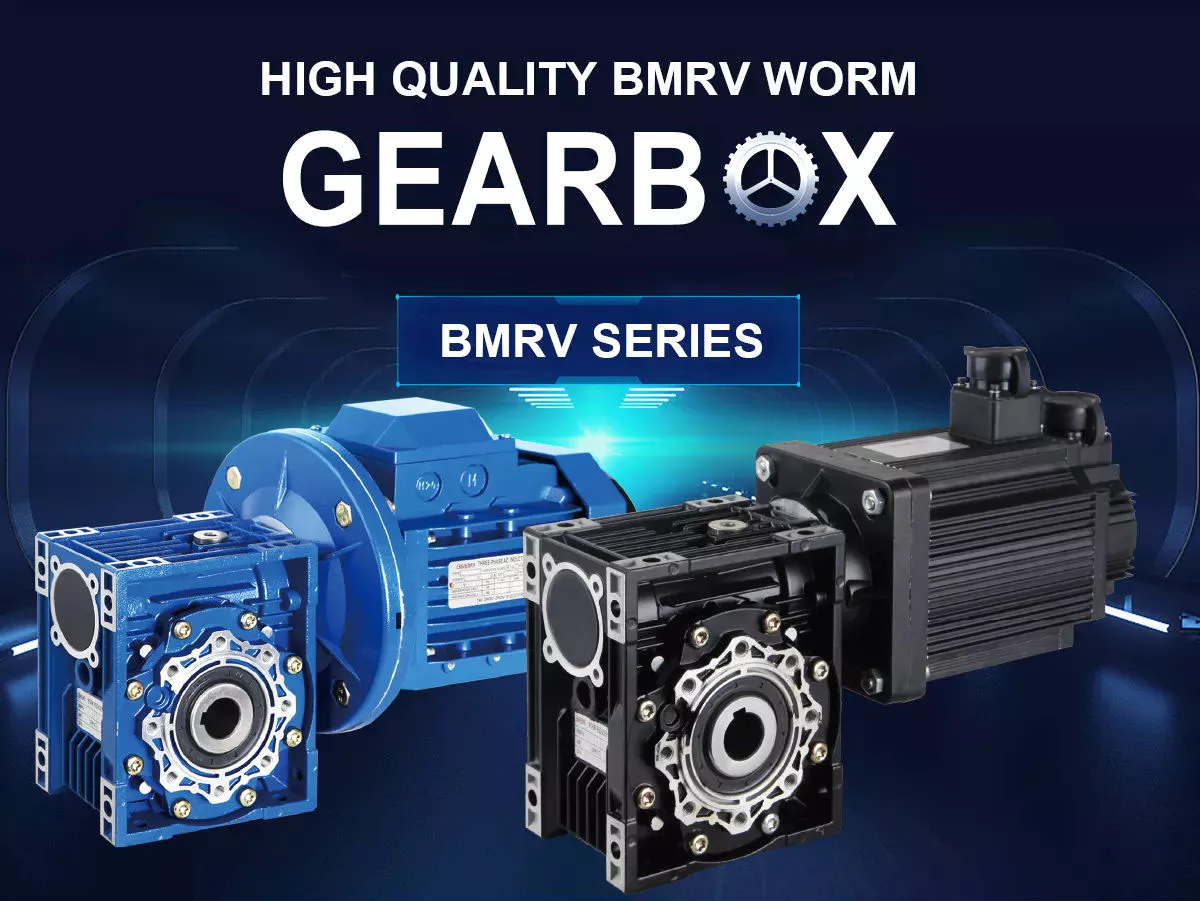
Function of a gearbox
A gearbox is a mechanical unit that consists of a chain or set of gears. The gears are mounted on a shaft and are supported by rolling element bearings. These devices alter the speed or torque of the machine they are used in. Gearboxes can be used for a wide variety of applications. Here are some examples of how gearboxes function. Read on to discover more about the gears that make up a gearbox.
Regardless of the type of transmission, most gearboxes are equipped with a secondary gear and a primary one. While the gear ratios are the same for both the primary and secondary transmission, the gearboxes may differ in size and efficiency. High-performance racing cars typically employ a gearbox with two green and one blue gear. Gearboxes are often mounted in the front or rear of the engine.
The primary function of a gearbox is to transfer torque from one shaft to another. The ratio of the driving gear’s teeth to the receiving member determines how much torque is transmitted. A large gear ratio will cause the main shaft to revolve at a slower speed and have a high torque compared to its counter shaft. Conversely, a low gear ratio will allow the vehicle to turn at a lower speed and produce a lower torque.
A conventional gearbox has input and output gears. The countershaft is connected to a universal shaft. The input and output gears are arranged to match the speed and torque of each other. The gear ratio determines how fast a car can go and how much torque it can generate. Most conventional transmissions use four gear ratios, with one reverse gear. Some have two shafts and three inputs. However, if the gear ratios are high, the engine will experience a loss of torque.
In the study of gearbox performance, a large amount of data has been collected. A highly ambitious segmentation process has yielded nearly 20,000 feature vectors. These results are the most detailed and comprehensive of all the available data. This research has a dual curse – the first is the large volume of data collected for the purpose of characterization, while the second is the high dimensionality. The latter is a complication that arises when the experimental gearbox is not designed to perform well.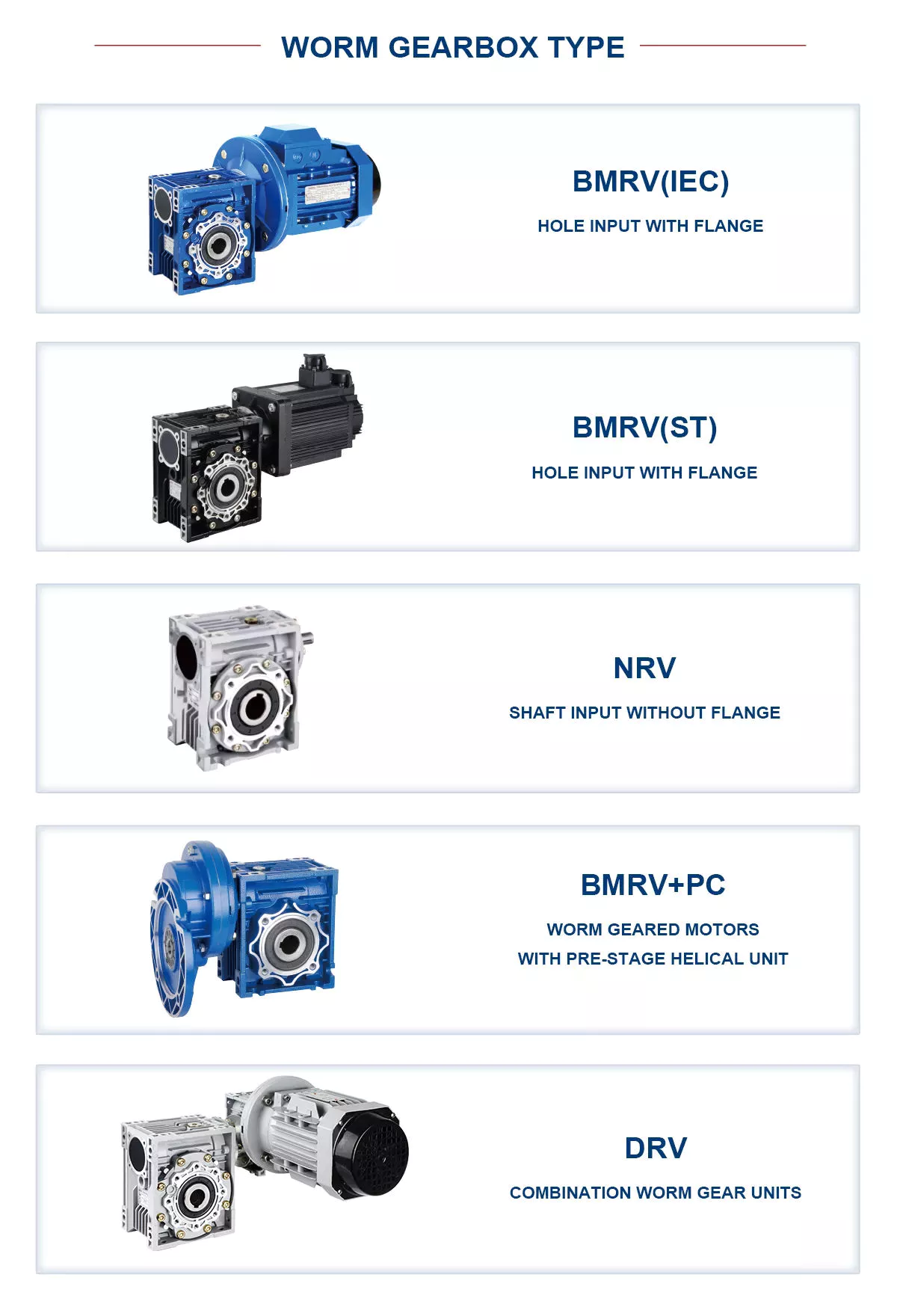
Bzvacklash
The main function of a gearhead is to multiply a moment of force and create a mechanical advantage. However, backlash can cause a variety of issues for the system, including impaired positioning accuracy and lowered overall performance. A zero backlash gearbox can eliminate motion losses caused by backlash and improve overall system performance. Here are some common problems associated with backlash in gearheads and how to fix them. After you understand how to fix gearbox backlash, you’ll be able to design a machine that meets your requirements.
To reduce gearbox backlash, many designers try to decrease the center distance of the gears. This eliminates space for lubrication and promotes excessive tooth mesh, which leads to premature mesh failure. To minimize gearbox backlash, a gear manufacturer may separate the two parts of the gear and adjust the mesh center distance between them. To do this, rotate one gear with respect to the fixed gear, while adjusting the other gear’s effective tooth thickness.
Several manufacturing processes may introduce errors, and reducing tooth thickness will minimize this error. Gears with bevel teeth are a prime example of this. This type of gear features a small number of teeth in comparison to its mating gear. In addition to reducing tooth thickness, bevel gears also reduce backlash. While bevel gears have fewer teeth than their mating gear, all of their backlash allowance is applied to the larger gear.
A gear’s backlash can affect the efficiency of a gearbox. In an ideal gear, the backlash is zero. But if there is too much, backlash can cause damage to the gears and cause it to malfunction. Therefore, the goal of gearbox backlash is to minimize this problem. However, this may require the use of a micrometer. To determine how much gearbox backlash you need, you can use a dial gauge or feeler gauge.
If you’ve been looking for a way to reduce backlash, a gearbox’s backlash may be the answer. However, backlash is not a revolt against the manufacturer. It is an error in motion that occurs naturally in gear systems that change direction. If it is left unaccounted for, it can lead to major gear degradation and even compromise the entire system. In this article, we’ll explain how backlash affects gears and how it affects the performance of a gearbox.
Design
The design of gearboxes consists of a variety of factors, including the type of material used, power requirements, speed and reduction ratio, and the application for which the unit is intended. The process of designing a gearbox usually begins with a description of the machine or gearbox and its intended use. Other key parameters to consider during gearbox design include the size and weight of the gear, its overall gear ratio and number of reductions, as well as the lubrication methods used.
During the design process, the customer and supplier will participate in various design reviews. These include concept or initial design review, manufacturing design validation, critical design review, and final design review. The customer may also initiate the process by initiating a DFMEA. After receiving the initial design approval, the design will go through several iterations before the finalized design is frozen. In some cases, the customer will require a DFMEA of the gearbox.
The speed increaser gearboxes also require special design considerations. These gearboxes typically operate at high speeds, causing problems with gear dynamics. Furthermore, the high speeds of the unit increase frictional and drag forces. A proper design of this component should minimize the effect of these forces. To solve these problems, a gearbox should incorporate a brake system. In some cases, an external force may also increase frictional forces.
Various types of gear arrangements are used in gearboxes. The design of the teeth of the gears plays a significant role in defining the type of gear arrangement in the gearbox. Spur gear is an example of a gear arrangement, which has teeth that run parallel to the axis of rotation. These gears offer high gear ratios and are often used in multiple stages. So, it is possible to create a gearbox that meets the needs of your application.
The design of gearboxes is the most complex process in the engineering process. These complex devices are made of multiple types of gears and are mounted on shafts. They are supported by rolling element bearings and are used for a variety of applications. In general, a gearbox is used to reduce speed and torque and change direction. Gearboxes are commonly used in motor vehicles, but can also be found in pedal bicycles and fixed machines.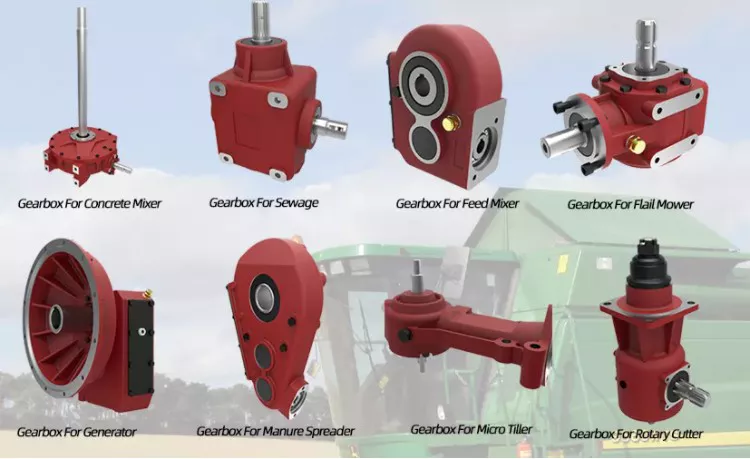
Manufacturers
There are several major segments in the gearbox market, including industrial, mining, and automotive. Gearbox manufacturers are required to understand the application and user industries to design a gearbox that meets their specific requirements. Basic knowledge of metallurgy is necessary. Multinational companies also provide gearbox solutions for the power generation industry, shipping industry, and automotive industries. To make their products more competitive, they need to focus on product innovation, geographical expansion, and customer retention.
The CZPT Group started as a small company in 1976. Since then, it has become a global reference in mechanical transmissions. Its production range includes gears, reduction gearboxes, and geared motors. The company was the first in Italy to achieve ISO certification, and it continues to grow into one of the world’s leading manufacturers of production gearboxes. As the industry evolves, CZPT focuses on research and development to create better products.
The agriculture industry uses gearboxes to implement a variety of processes. They are used in tractors, pumps, and agricultural machinery. The automotive industry uses gears in automobiles, but they are also found in mining and tea processing machinery. Industrial gearboxes also play an important role in feed and speed drives. The gearbox industry has a diverse portfolio of manufacturers and suppliers. Here are some examples of gearboxes:
Gearboxes are complex pieces of equipment. They must be used properly to optimize efficiency and extend their lifespan. Manufacturers employ advanced technology and strict quality control processes to ensure their products meet the highest standards. In addition to manufacturing precision and reliability, gearbox manufacturers ensure that their products are safe for use in the production of industrial machinery. They are also used in office machines and medical equipment. However, the automotive gearbox market is becoming increasingly competitive.
editor by czh 2023-01-09
China Good quality Industrial Machines High Torsional Stiffness Small Harmonic Gear Drive Reducer gear cycle
Warranty: 1year, 1 Year
Applicable Industries: Manufacturing Plant, Machinery Repair Shops, Retail
Weight (KG): 3 KG
Customized support: OEM, ODM, OEM, hot sellingbest selling China heavy CZPT truck AZ923132 0571 Rear Axle Parts Main Reducer Bevel Gear Differential Assembly ODM
Gearing Arrangement: Harmonic
Output Torque: 157.6-744Nm
Input Speed: 2000-4000r/min
Output Speed: 12.5-80rpm/min
Material: Cast Iron
Mounting Position: Horizontal (foot Mounted)
Structures: Bearing + Gear + Box
Life Span: 10000 hours
Arc: ≤30
Noise: <50dB
Quality: 100% Tested
Certification: CE, CCC, ISO
Packaging Details: Carton + foam, a large number, will be packed into wooden cases.
| HST-III Parameter: | ||||||||||||||
| Model | Speed ratio | Enter the rated torque at 2000r/min | Allowed CZPT torque at start stop | The allowable maximum of the average load torque | ||||||||||
| NM | kgfm | NM | kgfm | NM | kgfm | |||||||||
| 14 | 50 | 6.2 | 0.6 | 20.7 | 2.1 | 7.9 | 0.7 | |||||||
| 80 | 9 | 0.9 | 27 | 2.7 | 12.7 | 1.3 | ||||||||
| 100 | 9 | 0.9 | 32 | 3.3 | 12.7 | 1.3 | ||||||||
| 17 | 50 | 18.4 | 1.9 | 39 | 4 | 29.9 | 3 | |||||||
| 80 | 25.3 | 2.6 | 49.5 | 5 | 31 | 3.2 | ||||||||
| 100 | 27.6 | 2.8 | 62 | 6.3 | 45 | 4.6 | ||||||||
| 20 | 50 | 28.8 | 2.9 | 64.4 | 6.6 | 39 | 4 | |||||||
| 80 | 39.1 | 4 | 85 | 8.8 | 54 | 5.5 | ||||||||
| 100 | 46 | 4.7 | 94.3 | 9.6 | 56 | 5.8 | ||||||||
| 120 | 46 | 4.7 | 100 | 10.2 | 56 | 5.8 | ||||||||
| 160 | 46 | 4.7 | 100 | 10.2 | 56 | 5.8 | ||||||||
| 25 | 50 | 44.9 | 4.6 | 113 | 11.5 | 63 | 6.5 | |||||||
| 80 | 72.5 | 7.4 | 158 | 16.1 | 100 | 10.2 | ||||||||
| 100 | 77.1 | 7.9 | 181 | 18.4 | 124 | 12.7 | ||||||||
| 120 | 77.1 | 7.9 | 192 | 19.6 | 124 | 12.7 | ||||||||
| 32 | 50 | 87.4 | 8.9 | 248 | 25.3 | 124 | 12.7 | |||||||
| 80 | 135.7 | 13.8 | 350 | 35.6 | 192 | 19.6 | ||||||||
| 100 | 157.6 | 16.1 | 383 | 39.1 | 248 | 25.3 | ||||||||
| 40 | 100 | 308 | 37.2 | 660 | 67 | 432 | 44 | |||||||
| Maximum torque is allowed in an instant | Allow the maximum speed to be entered | Average input speed is allowed | Back gap | Design life | ||
| NM | kgfm | r / min | r / min | Arc sec | Hour | |
| 40.3 | 4.1 | 7000 | 3000 | ≤30 | 10000 | |
| 54.1 | 5.5 | |||||
| 62.1 | 6.3 | |||||
| 80.5 | 8.2 | 6500 | 3000 | ≤ High-power double-stage Cylindrical Gear Mechanical Reducer 30 | 15000 | |
| 100.1 | 10.2 | |||||
| 124.2 | 12.7 | |||||
| 112.7 | 11.5 | 5600 | 3000 | ≤30 | 15000 | |
| 146.1 | 14.9 | |||||
| 169.1 | 17.2 | |||||
| 169.1 | 17.2 | |||||
| 169.1 | 17.2 | |||||
| 213.9 | 21.8 | 4800 | 3000 | ≤30 | 15000 | |
| 293.3 | 29.9 | |||||
| 326.6 | 33.3 | |||||
| 349.6 | 35.6 | |||||
| 439 | 44.8 | 4000 | 3000 | ≤30 | 15000 | |
| 653 | 66.6 | |||||
| 744 | 75.9 | |||||
| 1232 | 126.7 | 4000 | 3000 | ≤30 | 15000 | |
Helical, Straight-Cut, and Spiral-Bevel Gears
If you are planning to use bevel gears in your machine, you need to understand the differences between Helical, Straight-cut, and Spiral bevel gears. This article will introduce you to these gears, as well as their applications. The article will also discuss the benefits and disadvantages of each type of bevel gear. Once you know the differences, you can choose the right gear for your machine. It is easy to learn about spiral bevel gears.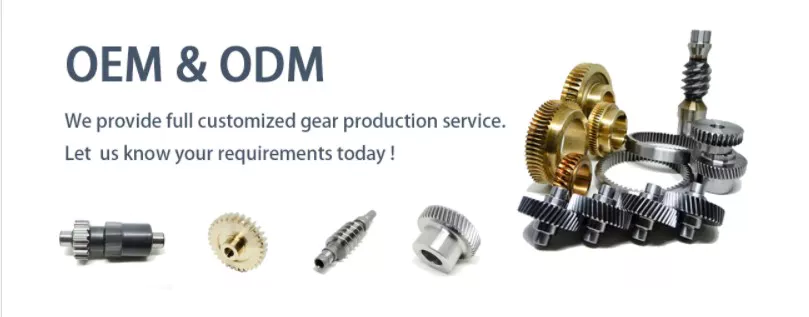
Spiral bevel gear
Spiral bevel gears play a critical role in the aeronautical transmission system. Their failure can cause devastating accidents. Therefore, accurate detection and fault analysis are necessary for maximizing gear system efficiency. This article will discuss the role of computer aided tooth contact analysis in fault detection and meshing pinion position errors. You can use this method to detect problems in spiral bevel gears. Further, you will learn about its application in other transmission systems.
Spiral bevel gears are designed to mesh the gear teeth more slowly and appropriately. Compared to straight bevel gears, spiral bevel gears are less expensive to manufacture with CNC machining. Spiral bevel gears have a wide range of applications and can even be used to reduce the size of drive shafts and bearings. There are many advantages to spiral bevel gears, but most of them are low-cost.
This type of bevel gear has three basic elements: the pinion-gear pair, the load machine, and the output shaft. Each of these is in torsion. Torsional stiffness accounts for the elasticity of the system. Spiral bevel gears are ideal for applications requiring tight backlash monitoring and high-speed operations. CZPT precision machining and adjustable locknuts reduce backlash and allow for precise adjustments. This reduces maintenance and maximizes drive lifespan.
Spiral bevel gears are useful for both high-speed and low-speed applications. High-speed applications require spiral bevel gears for maximum efficiency and speed. They are also ideal for high-speed and high torque, as they can reduce rpm without affecting the vehicle’s speed. They are also great for transferring power between two shafts. Spiral bevel gears are widely used in automotive gears, construction equipment, and a variety of industrial applications.
Hypoid bevel gear
The Hypoid bevel gear is similar to the spiral bevel gear but differs in the shape of the teeth and pinion. The smallest ratio would result in the lowest gear reduction. A Hypoid bevel gear is very durable and efficient. It can be used in confined spaces and weighs less than an equivalent cylindrical gear. It is also a popular choice for high-torque applications. The Hypoid bevel gear is a good choice for applications requiring a high level of speed and torque.
The Hypoid bevel gear has multiple teeth that mesh with each other at the same time. Because of this, the gear transmits torque with very little noise. This allows it to transfer a higher torque with less noise. However, it must be noted that a Hypoid bevel gear is usually more expensive than a spiral bevel gear. The cost of a Hypoid bevel gear is higher, but its benefits make it a popular choice for some applications.
A Hypoid bevel gear can be made of several types. They may differ in the number of teeth and their spiral angles. In general, the smaller hypoid gear has a larger pinion than its counterpart. This means that the hypoid gear is more efficient and stronger than its bevel cousin. It can even be nearly silent if it is well lubricated. Once you’ve made the decision to get a Hypoid bevel gear, be sure to read up on its benefits.
Another common application for a Hypoid bevel gear is in automobiles. These gears are commonly used in the differential in automobiles and trucks. The torque transfer characteristics of the Hypoid gear system make it an excellent choice for many applications. In addition to maximizing efficiency, Hypoid gears also provide smoothness and efficiency. While some people may argue that a spiral bevel gear set is better, this is not an ideal solution for most automobile assemblies.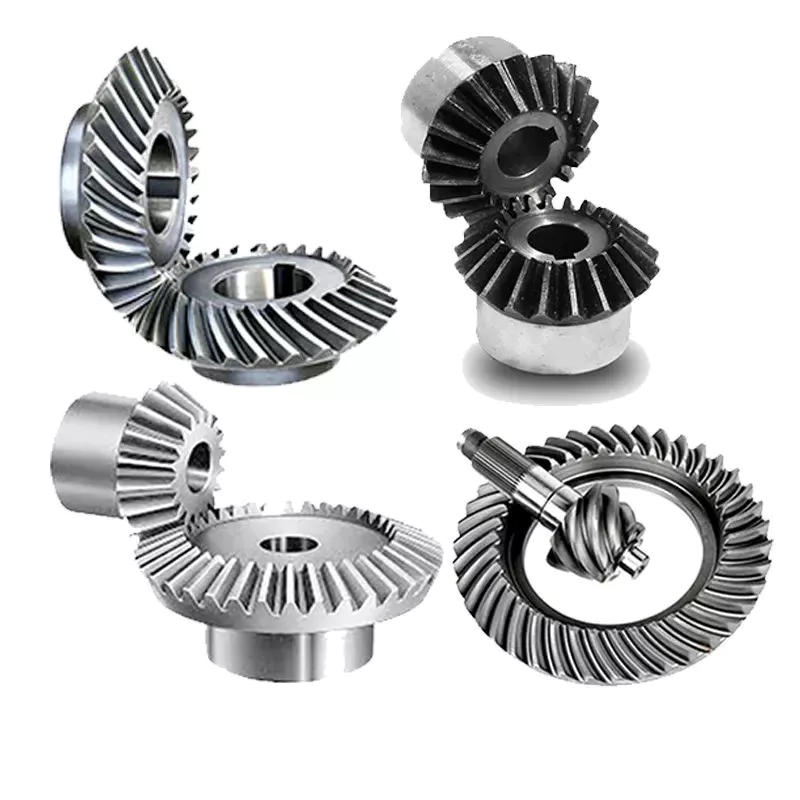
Helical bevel gear
Compared to helical worm gears, helical bevel gears have a small, compact housing and are structurally optimized. They can be mounted in various ways and feature double chamber shaft seals. In addition, the diameter of the shaft and flange of a helical bevel gear is comparable to that of a worm gear. The gear box of a helical bevel gear unit can be as small as 1.6 inches, or as large as eight cubic feet.
The main characteristic of helical bevel gears is that the teeth on the driver gear are twisted to the left and the helical arc gears have a similar design. In addition to the backlash, the teeth of bevel gears are twisted in a clockwise and counterclockwise direction, depending on the number of helical bevels in the bevel. It is important to note that the tooth contact of a helical bevel gear will be reduced by about ten to twenty percent if there is no offset between the two gears.
In order to create a helical bevel gear, you need to first define the gear and shaft geometry. Once the geometry has been defined, you can proceed to add bosses and perforations. Then, specify the X-Y plane for both the gear and the shaft. Then, the cross section of the gear will be the basis for the solid created after revolution around the X-axis. This way, you can make sure that your gear will be compatible with the pinion.
The development of CNC machines and additive manufacturing processes has greatly simplified the manufacturing process for helical bevel gears. Today, it is possible to design an unlimited number of bevel gear geometry using high-tech machinery. By utilizing the kinematics of a CNC machine center, you can create an unlimited number of gears with the perfect geometry. In the process, you can make both helical bevel gears and spiral bevel gears.
Straight-cut bevel gear
A straight-cut bevel gear is the easiest to manufacture. The first method of manufacturing a straight bevel gear was to use a planer with an indexing head. Later, more efficient methods of manufacturing straight bevel gears were introduced, such as the Revacycle system and the Coniflex system. The latter method is used by CZPT. Here are some of the main benefits of using a straight-cut bevel gear.
A straight-cut bevel gear is defined by its teeth that intersect at the axis of the gear when extended. Straight-cut bevel gears are usually tapered in thickness, with the outer part being larger than the inner portion. Straight-cut bevel gears exhibit instantaneous lines of contact, and are best suited for low-speed, static-load applications. A common application for straight-cut bevel gears is in the differential systems of automobiles.
After being machined, straight-cut bevel gears undergo heat treatment. Case carburizing produces gears with surfaces of 60-63 Rc. Using this method, the pinion is 3 Rc harder than the gear to equalize wear. Flare hardening, flame hardening, and induction hardening methods are rarely used. Finish machining includes turning the outer and inner diameters and special machining processes.
The teeth of a straight-cut bevel gear experience impact and shock loading. Because the teeth of both gears come into contact abruptly, this leads to excessive noise and vibration. The latter limits the speed and power transmission capacity of the gear. On the other hand, a spiral-cut bevel gear experiences gradual but less-destructive loading. It can be used for high-speed applications, but it should be noted that a spiral-cut bevel gear is more complicated to manufacture.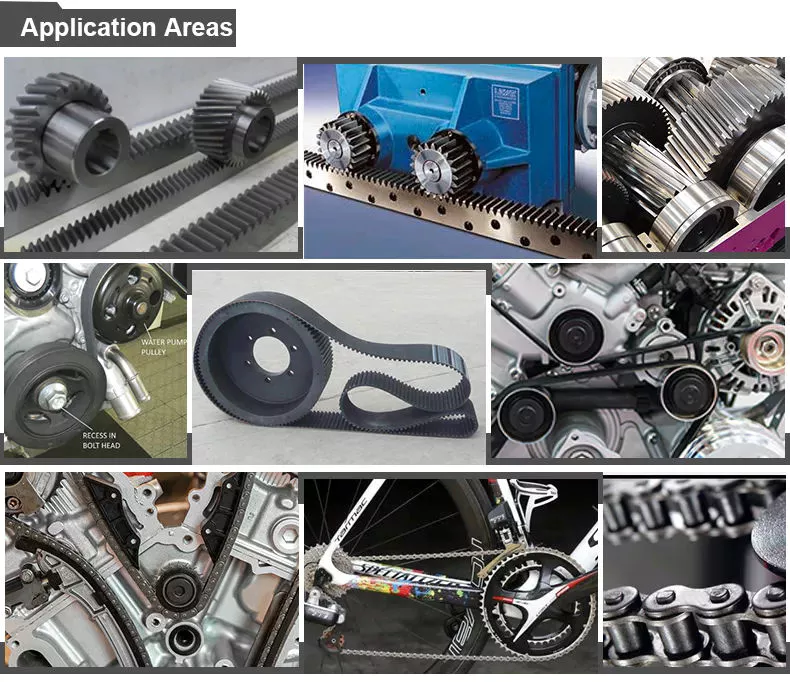
Spur-cut bevel gear
CZPT stocks bevel gears in spiral and straight tooth configurations, in a range of ratios from 1.5 to five. They are also highly remachinable except for the teeth. Spiral bevel gears have a low helix angle and excellent precision properties. CZPT stock bevel gears are manufactured using state-of-the-art technologies and know-how. Compared with spur-cut gears, these have a longer life span.
To determine the strength and durability of a spur-cut bevel gear, you can calculate its MA (mechanical advantage), surface durability (SD), and tooth number (Nb). These values will vary depending on the design and application environment. You can consult the corresponding guides, white papers, and technical specifications to find the best gear for your needs. In addition, CZPT offers a Supplier Discovery Platform that allows you to discover more than 500,000 suppliers.
Another type of spur gear is the double helical gear. It has both left-hand and right-hand helical teeth. This design balances thrust forces and provides extra gear shear area. Helical gears, on the other hand, feature spiral-cut teeth. While both types of gears may generate significant noise and vibration, helical gears are more efficient for high-speed applications. Spur-cut bevel gears may also cause similar effects.
In addition to diametral pitch, the addendum and dedendum have other important properties. The dedendum is the depth of the teeth below the pitch circle. This diameter is the key to determining the center distance between two spur gears. The radius of each pitch circle is equal to the entire depth of the spur gear. Spur gears often use the addendum and dedendum angles to describe the teeth.

