Product Description
CUW Double Enveloping Worm Gear Reducer with Foot Mounted
Technical data:
1. Ratio range: 10-63
2. Input power: 1.5-450KW
3. Permit torque rang: ≤40000N. M
4. Structure mode: Possibility of flange, foot, or shaft mounting solutions
characteristic
1. double-enveloping worm gearing,3-5 teeth contact;
2. small volume ,big capacity;
3. 3-5 times than universal worm gear;
4. high efficiency,66%-91%
- IEC or NEMA motor input flanges
- All units filled with synthetic oil
- No vent plug or breather needed – maintenance free reducer
- Double lip oil seals prevent leakage
- Multiple mounting holes for all angle mounts
- Epoxy paint applied to inside and outside of reducer to protect against rust
- Hollow output bores with plug-in output shafts
Key feature:
Dtasheet of CUW :
| Model | ShaftDia. (mm) | Center Height (CUW) | (CUW) Output shaft Dia. | Power | Ratio | Permitted Torque | Weight |
| (CUW) input Solid(h6) | (mm) | (mm) | (kw) | (Nm) | (KGS) | ||
| C_ 100 | 28 | 190 | 48 | 1.41~11.5 | 10 ~ 62 | 683-1094 | 42 |
| C_ 125 | 32 | 225 | 55 | 2.42~19.7 | 10 ~ 62 | 1170~2221 | 65 |
| C_ 140 | 38 | 255 | 65 | 3.94~25.9 | 10 ~ 62 | 1555 ~ 3473 | 85 |
| C_ 160 | 42 | 290 | 70 | 4.39~35.7 | 10 ~ 62 | 2143 ~4212 | 120 |
| C_ 180 | 48 | 320 | 80 | 5.83~47.5 | 10 ~ 62 | 2812 ~ 5387 | 170 |
| C_ 200 | 55 | 350 | 90 | 7.52 ~61.2 | 10 ~ 62 | 3624 ~6859 | 220 |
| C_ 225 | 60 | 390 | 100 | 9.9~81.4 | 10 ~ 62 | 4872 ~ 9224 | 290 |
| C_ 250 | 65 | 430 | 110 | 12.9 ~105 | 10 ~ 62 | 6284~11892 | 380 |
| C_ 280 | 70 | 480 | 120 | 16.9 ~ 138 | 10 ~ 62 | 8347 ~ 15820 | 520 |
| C_ 315 | 75 | 530 | 140 | 22.5 ~183 | 10 ~ 62 | 11068~ 19450 | 700 |
| C_ 355 | 80 | 595 | 150 | 30~245 | 10 ~ 62 | 14818 ~28014 | 1030 |
| C_ 400 | 90 | 660 | 170 | 32.1 ~261 | 10 ~ 62 | 15786~29918 | 1400 |
| C_ 450 | 100 | 740 | 190 | 42.6 ~347 | 10 ~ 62 | 2571~39881 | 1980 |
| C_ 500 | 110 | 815 | 210 | 54.9 ~ 448 | 10 ~ 62 | 27097~51180 | 2700 |
/* March 10, 2571 17:59:20 */!function(){function s(e,r){var a,o={};try{e&&e.split(“,”).forEach(function(e,t){e&&(a=e.match(/(.*?):(.*)$/))&&1
| Application: | Machinery, Agricultural Machinery, Industry |
|---|---|
| Hardness: | Hardened Tooth Surface |
| Installation: | Horizontal Type |
| Layout: | Coaxial |
| Gear Shape: | Cylindrical Gear |
| Step: | Single-Step |
| Samples: |
US$ 500/Piece
1 Piece(Min.Order) | |
|---|
| Customization: |
Available
| Customized Request |
|---|
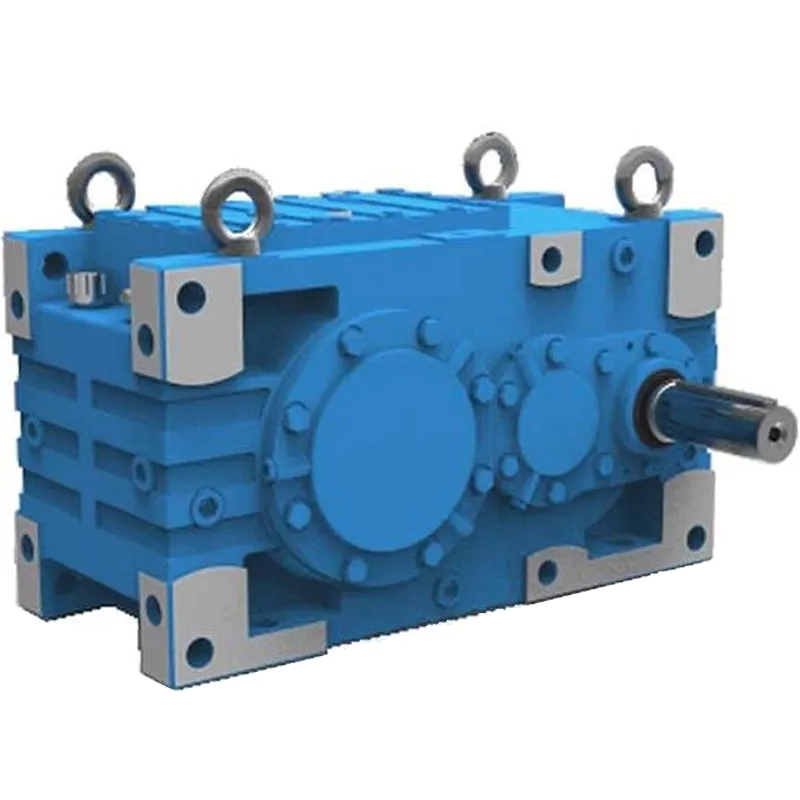
How do gear reducers contribute to energy efficiency in machinery and equipment?
Gear reducers play a significant role in enhancing energy efficiency in various machinery and equipment. Here’s how they contribute:
1. Speed Reduction: Gear reducers are commonly used to reduce the speed of the input shaft, allowing the motor to operate at a higher speed where it’s most efficient. This speed reduction helps match the motor’s optimal operating range, reducing energy consumption.
2. Torque Increase: Gear reducers can increase torque output while decreasing speed, enabling machinery to handle higher loads without the need for a larger, more energy-intensive motor.
3. Matching Load Requirements: By adjusting gear ratios, gear reducers ensure that the machinery’s output speed and torque match the load requirements. This prevents the motor from operating at unnecessary high speeds, saving energy.
4. Variable Speed Applications: In applications requiring variable speeds, gear reducers allow for efficient speed control without the need for continuous motor adjustments, improving energy usage.
5. Efficient Power Transmission: Gear reducers efficiently transmit power from the motor to the load, minimizing energy losses due to friction and inefficiencies.
6. Motor Downsizing: Gear reducers enable the use of smaller, more energy-efficient motors by converting their higher speed, lower torque output into the lower speed, higher torque needed for the application.
7. Decoupling Motor and Load Speeds: In cases where the motor and load speeds are inherently different, gear reducers ensure the motor operates at its most efficient speed while still delivering the required output to the load.
8. Overcoming Inertia: Gear reducers help overcome the inertia of heavy loads, making it easier for motors to start and stop, reducing energy consumption during frequent operation.
9. Precise Control: Gear reducers provide precise control over speed and torque, optimizing the energy consumption of machinery in processes that require accurate adjustments.
10. Regenerative Braking: In some applications, gear reducers can be used to capture and convert kinetic energy back into electrical energy during braking or deceleration, improving overall energy efficiency.
By efficiently managing speed, torque, and power transmission, gear reducers contribute to energy-efficient operation, reducing energy consumption, and minimizing the environmental impact of machinery and equipment.
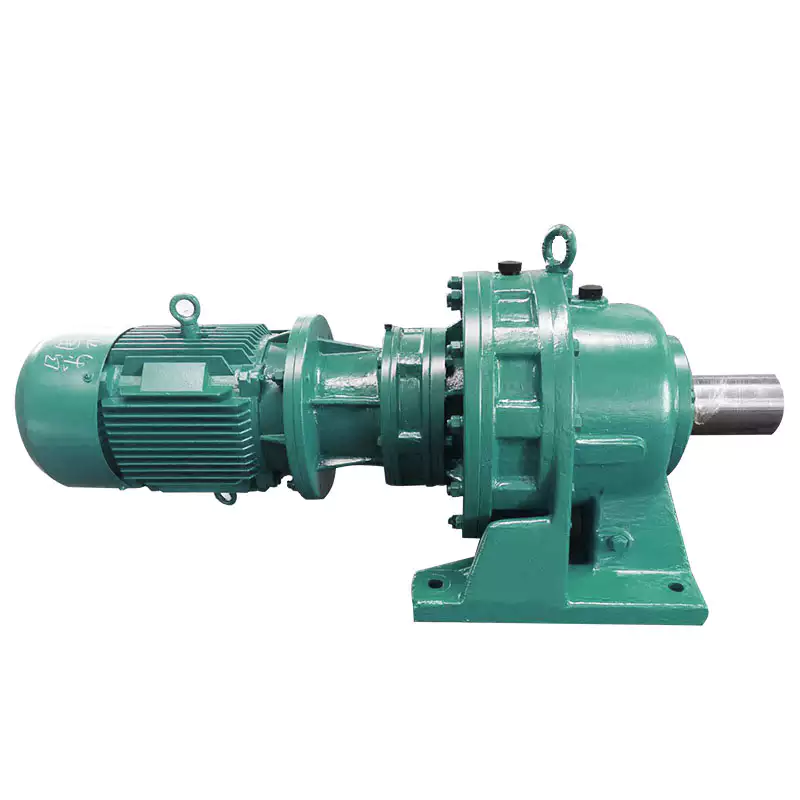
What role do gear ratios play in optimizing the performance of gear reducers?
Gear ratios play a crucial role in optimizing the performance of gear reducers by determining the relationship between input and output speeds and torques. A gear ratio is the ratio of the number of teeth between two meshing gears, and it directly influences the mechanical advantage and efficiency of the gear reducer.
1. Speed and Torque Conversion: Gear ratios allow gear reducers to convert rotational speed and torque according to the needs of a specific application. By selecting appropriate gear ratios, gear reducers can either reduce speed while increasing torque (speed reduction) or increase speed while decreasing torque (speed increase).
2. Mechanical Advantage: Gear reducers leverage gear ratios to provide mechanical advantage. In speed reduction configurations, a higher gear ratio results in a greater mechanical advantage, allowing the output shaft to deliver higher torque at a lower speed. This is beneficial for applications requiring increased force or torque, such as heavy machinery or conveyor systems.
3. Efficiency: Optimal gear ratios contribute to higher efficiency in gear reducers. By distributing the load across multiple gear teeth, gear reducers with suitable gear ratios minimize stress and wear on individual gear teeth, leading to improved overall efficiency and prolonged lifespan.
4. Speed Matching: Gear ratios enable gear reducers to match the rotational speeds of input and output shafts. This is crucial in applications where precise speed synchronization is required, such as in conveyors, robotics, and manufacturing processes.
When selecting gear ratios for a gear reducer, it’s important to consider the specific requirements of the application, including desired speed, torque, efficiency, and mechanical advantage. Properly chosen gear ratios enhance the overall performance and reliability of gear reducers in a wide range of industrial and mechanical systems.
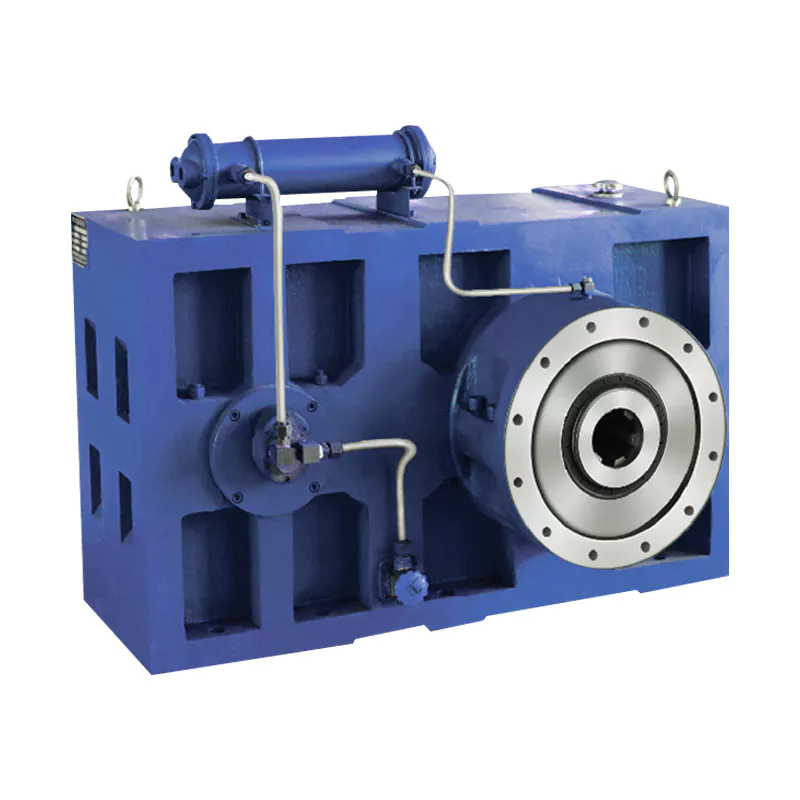
What industries and machinery commonly utilize gear reducers?
Gear reducers are widely used across various industries and types of machinery for torque reduction and speed control. Some common industries and applications include:
- 1. Manufacturing: Gear reducers are used in manufacturing equipment such as conveyors, mixers, and packaging machines to control speed and transmit power efficiently.
- 2. Automotive: They are utilized in vehicles for applications like power transmission in transmissions and differentials.
- 3. Aerospace: Gear reducers are used in aircraft systems, including landing gear mechanisms and engine accessories.
- 4. Robotics and Automation: They play a crucial role in robotic arms, CNC machines, and automated production lines.
- 5. Mining and Construction: Gear reducers are used in heavy machinery like excavators, bulldozers, and crushers for power transmission and torque multiplication.
- 6. Energy and Power Generation: Wind turbines, hydroelectric generators, and other power generation equipment use gear reducers to convert rotational speed and transmit power.
- 7. Marine and Shipbuilding: They are used in ship propulsion systems, steering mechanisms, and anchor handling equipment.
- 8. Material Handling: Gear reducers are essential in conveyor systems, elevators, and hoists for controlled movement of materials.
- 9. Food and Beverage: They find applications in food processing equipment like mixers, grinders, and packaging machines.
- 10. Paper and Pulp: Gear reducers are used in machinery for pulp processing, paper production, and printing.
These examples represent just a fraction of the industries and machinery that benefit from the use of gear reducers to optimize power transmission and achieve the desired motion characteristics.


editor by CX 2024-02-07
China Best Sales Jdlb Servo Gear Box Aluminium Variable Speed Reducer Reduction Worm Motor Double Lead Precision Worm Gear Reducer with Good quality
Product Description
JDLB Servo Gear Box Aluminium Variable Speed Reducer Reduction Worm Motor Double Lead Precision Worm Gear Reducer
|
Ratio |
15,20,25,30,40,50,60,80,100 |
||||||||
|
Color |
sliver, black, blue, grey or request |
||||||||
|
Bearing |
C&U |
||||||||
|
Seal |
CHINAMFG |
||||||||
|
Material |
Housing:Aluminum Alloy |
||||||||
|
Worm Gear:CuSn12Ni |
|||||||||
|
Worm Shaft:20CrMnTi with carbonitriding and quenching |
|||||||||
|
Application |
precision device :CNC machine,assembly line,inHangZhou mechanism |
||||||||
Related product
Company Profile
Packing & Delivery
/* March 10, 2571 17:59:20 */!function(){function s(e,r){var a,o={};try{e&&e.split(“,”).forEach(function(e,t){e&&(a=e.match(/(.*?):(.*)$/))&&1
| Application: | Motor, Electric Cars, Motorcycle, Machinery, Marine, Toy, Agricultural Machinery, Car |
|---|---|
| Hardness: | Hardened Tooth Surface |
| Installation: | 90 Degree |
| Layout: | Coaxial |
| Gear Shape: | Worm Gear |
| Step: | Single-Step |
| Samples: |
US$ 9999/Piece
1 Piece(Min.Order) | |
|---|
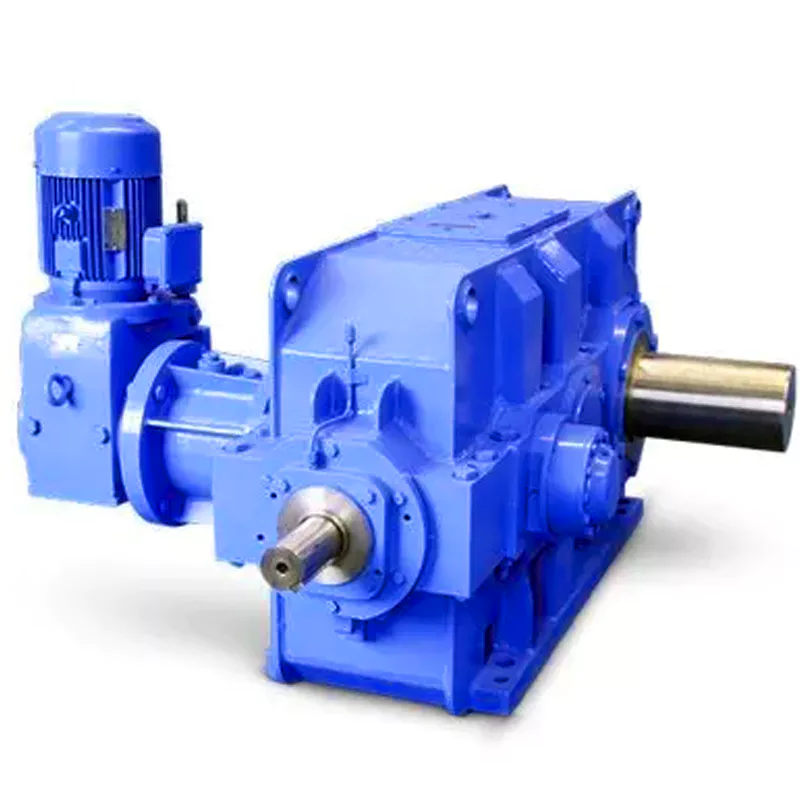
What are the considerations for choosing the appropriate lubrication for gear reducers?
Choosing the appropriate lubrication for gear reducers is crucial for ensuring optimal performance, longevity, and efficiency. Several considerations should be taken into account when selecting the right lubrication:
1. Load and Torque: The magnitude of the load and torque transmitted by the gear reducer affects the lubrication’s viscosity and film strength requirements. Heavier loads may necessitate higher viscosity lubricants.
2. Operating Speed: The speed at which the gear reducer operates impacts the lubrication’s ability to maintain a consistent and protective film between gear surfaces.
3. Temperature Range: Consider the temperature range of the operating environment. Lubricants with suitable viscosity indexes are crucial to maintaining performance under varying temperature conditions.
4. Contaminant Exposure: If the gear reducer is exposed to dust, dirt, water, or other contaminants, the lubrication should have proper sealing properties and resistance to contamination.
5. Lubrication Interval: Determine the desired maintenance interval. Some lubricants require more frequent replacement, while others offer extended operational periods.
6. Compatibility with Materials: Ensure that the chosen lubricant is compatible with the materials used in the gear reducer, including gears, bearings, and seals.
7. Noise and Vibration: Some lubricants have properties that can help reduce noise and dampen vibrations, improving the overall user experience.
8. Environmental Impact: Consider environmental regulations and sustainability goals when selecting lubricants.
9. Manufacturer Recommendations: Follow the manufacturer’s recommendations and guidelines for lubrication type, viscosity grade, and maintenance intervals.
10. Monitoring and Analysis: Implement a lubrication monitoring and analysis program to assess lubricant condition and performance over time.
By carefully evaluating these considerations and consulting with lubrication experts, industries can choose the most suitable lubrication for their gear reducers, ensuring reliable and efficient operation.
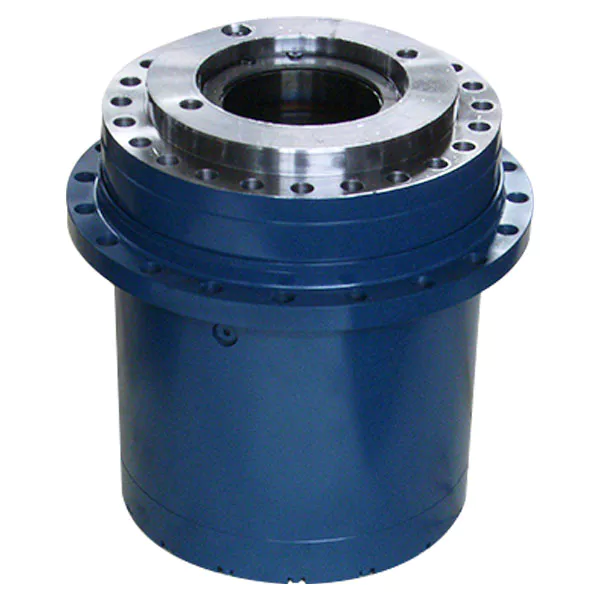
How do gear reducers ensure efficient power transmission and motion control?
Gear reducers play a vital role in ensuring efficient power transmission and precise motion control in various industrial applications. They achieve this through the following mechanisms:
- 1. Speed Reduction/Increase: Gear reducers allow you to adjust the speed between the input and output shafts. Speed reduction is essential when the output speed needs to be lower than the input speed, while speed increase is used when the opposite is required.
- 2. Torque Amplification: By altering the gear ratio, gear reducers can amplify torque from the input to the output shaft. This enables machinery to handle higher loads and provide the necessary force for various tasks.
- 3. Gear Train Efficiency: Well-designed gear trains within reducers minimize power losses during transmission. Helical and spur gears, for example, offer high efficiency by distributing load and reducing friction.
- 4. Precision Motion Control: Gear reducers provide precise control over rotational motion. This is crucial in applications where accurate positioning, synchronization, or timing is required, such as in robotics, CNC machines, and conveyor systems.
- 5. Backlash Reduction: Some gear reducers are designed to minimize backlash, which is the play between gear teeth. This reduction in play ensures smoother operation, improved accuracy, and better control.
- 6. Load Distribution: Gear reducers distribute the load evenly among multiple gear teeth, reducing wear and extending the lifespan of the components.
- 7. Shock Absorption: In applications where sudden starts, stops, or changes in direction occur, gear reducers help absorb and dampen shocks, protecting the machinery and ensuring reliable operation.
- 8. Compact Design: Gear reducers provide a compact solution for achieving specific speed and torque requirements, allowing for space-saving integration into machinery.
By combining these principles, gear reducers facilitate the efficient and controlled transfer of power, enabling machinery to perform tasks accurately, reliably, and with the required force, making them essential components in a wide range of industries.
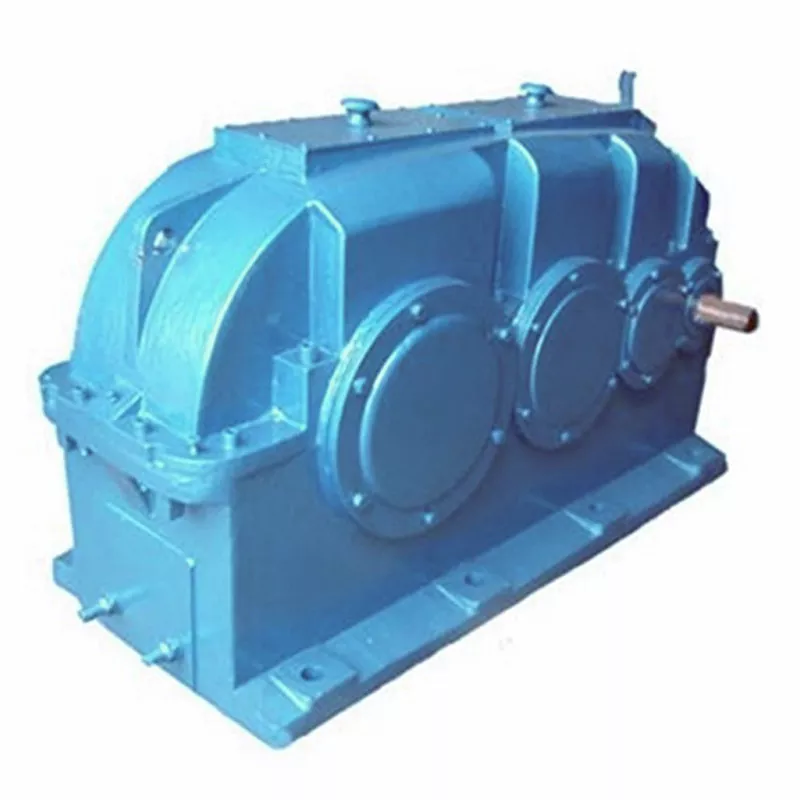
How do gear reducers contribute to speed reduction and torque increase?
Gear reducers play a crucial role in mechanical systems by achieving speed reduction and torque increase through the principle of gear ratios. Here’s how they work:
Gear reducers consist of multiple gears with different sizes, known as gear pairs. These gears are meshed together, and their teeth interlock to transmit motion and power. The gear ratio is determined by the ratio of the number of teeth on the input gear (driver) to the number of teeth on the output gear (driven).
Speed Reduction: When a larger gear (output gear) is driven by a smaller gear (input gear), the output gear rotates at a slower speed than the input gear. This reduction in speed is proportional to the gear ratio. As a result, gear reducers are used to slow down the rotational speed of the output shaft compared to the input shaft.
Torque Increase: The interlocking teeth of gears create a mechanical advantage that allows gear reducers to increase torque output. When the input gear applies a force (torque) to the teeth, it is transmitted to the output gear with greater force due to the leverage provided by the larger diameter of the output gear. The torque increase is inversely proportional to the gear ratio and is essential for applications requiring high torque at lower speeds.
By selecting appropriate gear ratios and arranging gear pairs, gear reducers can achieve various speed reduction and torque multiplication factors, making them essential components in machinery and equipment where precise control of speed and torque is necessary.
editor by CX 2023-12-21
China supplier Wpwek Series Double Speed Gearbox Worm Gear Reduction Reducer gearbox adjustment
Product Description
Product Description
Worm gearbox design to improve its application power, the worm gear uses non-ferrous metal as the primary data. The worm generally uses hard steel, so it is easy to generate large heat during the application, plus the influence of the ambient temperature. The temperature of the reducer is challenging to control as the operating temperature range is.
The operating temperature of the worm gear reducer should be controlled at -40°C~40°C. When the ambient temperature is lower than 0°C, it should be heated before the start so that the lubricating oil is fully dissolved or a low freezing point lubricating oil is used.
Product Parameters
Related products
Company Profile
We are a professional company engaged in the R&D, design, and manufacturing of gearboxes. The company has introduced a number of sophisticated production and testing equipment. We have successfully developed 800Nm-11200Nm planetary gearboxes for construction machinery, special planetary gearboxes for mixers, special planetary gearboxes for buildings, special reducers for mines, wind power reducers, hydraulic rotary, winch series, gearboxes for rolling mills, and other series of gearboxes with hundreds of thousands of specifications. The products have been widely used in building materials, metallurgy, engineering machinery, hoisting, shipping, chemical, pharmaceutical, electric power, and other supporting units and engineering projects.
Since its establishment, the company has been accelerating the pace of scientific and technological innovation and independent brand construction to build its core competitiveness with new thinking and new manufacturing awareness.
Our Equipments
Certification
Packaging and Shipment
For more reducers and mechanical accessories, please click here to view
| Application: | Motor, Electric Cars, Motorcycle, Machinery, Marine, Agricultural Machinery, Car |
|---|---|
| Function: | Distribution Power, Clutch, Change Drive Torque, Change Drive Direction, Speed Changing, Speed Reduction, Speed Increase |
| Layout: | Coaxial |
| Hardness: | Hardened Tooth Surface |
| Installation: | Horizontal Type |
| Step: | Three-Step |
| Samples: |
US$ 9999/Piece
1 Piece(Min.Order) | |
|---|
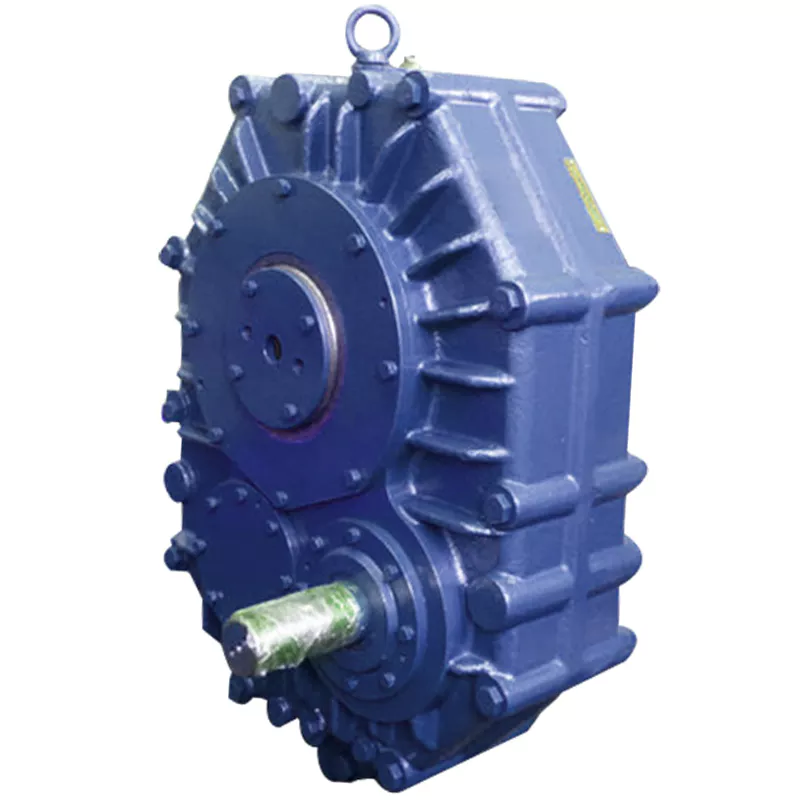
Are there any disadvantages or limitations to using gear reducer systems?
While gear reducer systems offer numerous advantages, they also come with certain disadvantages and limitations that should be considered during the selection and implementation process:
1. Size and Weight: Gear reducers can be bulky and heavy, especially for applications requiring high gear ratios. This can impact the overall size and weight of the machinery or equipment, which may be a concern in space-constrained environments.
2. Efficiency Loss: Despite their high efficiency, gear reducers can experience energy losses due to friction between gear teeth and other components. This can lead to a reduction in overall system efficiency, particularly in cases where multiple gear stages are used.
3. Cost: The design, manufacturing, and assembly of gear reducers can involve complex processes and precision machining, which can contribute to higher initial costs compared to other power transmission solutions.
4. Maintenance: Gear reducer systems require regular maintenance, including lubrication, inspection, and potential gear replacement over time. Maintenance activities can lead to downtime and associated costs in industrial settings.
5. Noise and Vibration: Gear reducers can generate noise and vibrations, especially at high speeds or when operating under heavy loads. Additional measures may be needed to mitigate noise and vibration issues.
6. Limited Gear Ratios: While gear reducers offer a wide range of gear ratios, there may be limitations in achieving extremely high or low ratios in certain designs.
7. Temperature Sensitivity: Extreme temperatures can affect the performance of gear reducer systems, particularly if inadequate lubrication or cooling is provided.
8. Shock Loads: While gear reducers are designed to handle shock loads to some extent, severe shock loads or abrupt changes in torque can still lead to potential damage or premature wear.
Despite these limitations, gear reducer systems remain widely used and versatile components in various industries, and their disadvantages can often be mitigated through proper design, selection, and maintenance practices.
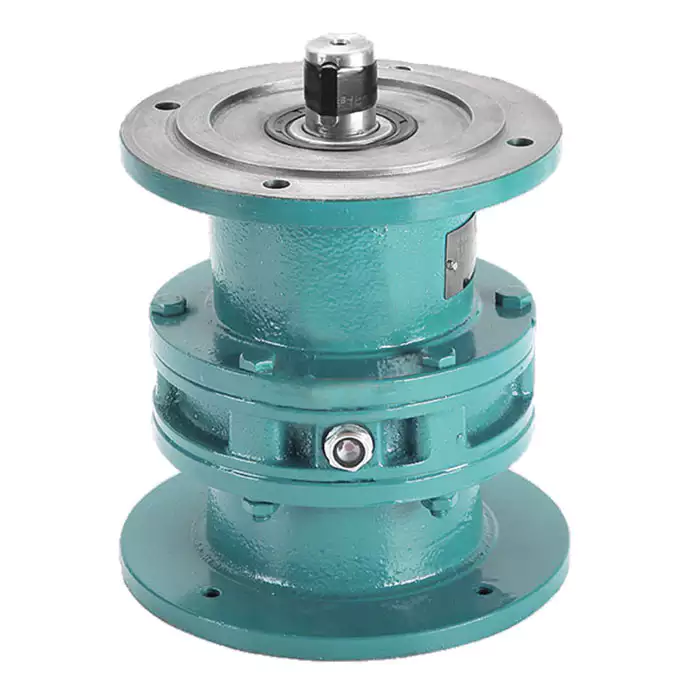
How do gear reducers handle shock loads and sudden changes in torque?
Gear reducers are designed to handle shock loads and sudden changes in torque through several mechanisms that enhance their durability and reliability in challenging operating conditions.
1. Robust Construction: Gear reducers are constructed using high-strength materials and precision manufacturing techniques. This ensures that the gears, bearings, and other components can withstand sudden impacts and high torque fluctuations without deformation or failure.
2. Shock-Absorbing Features: Some gear reducer designs incorporate shock-absorbing features, such as flexible couplings, elastomeric elements, or torsionally flexible gear designs. These features help dampen and dissipate the energy from sudden shocks or torque spikes, reducing the impact on the entire system.
3. Torque Limiters: In applications where shock loads are common, torque limiters may be integrated into the gear reducer. These devices automatically disengage or slip when a certain torque threshold is exceeded, preventing damage to the gears and other components.
4. Overload Protection: Gear reducers can be equipped with overload protection mechanisms, such as shear pins or torque sensors. These mechanisms detect excessive torque and disengage the drive temporarily, allowing the system to absorb the shock or adjust to the sudden torque change.
5. Proper Lubrication: Adequate lubrication is essential for managing shock loads and sudden torque changes. High-quality lubricants reduce friction and wear, helping the gear reducer withstand dynamic forces and maintain smooth operation.
6. Dynamic Load Distribution: Gear reducers distribute dynamic loads across multiple gear teeth, which helps prevent localized stress concentrations. This feature minimizes the risk of tooth breakage and gear damage when subjected to sudden changes in torque.
By incorporating these design features and mechanisms, gear reducers can effectively handle shock loads and sudden changes in torque, ensuring the longevity and reliability of various industrial and mechanical systems.
How do gear reducers handle variations in input and output speeds?
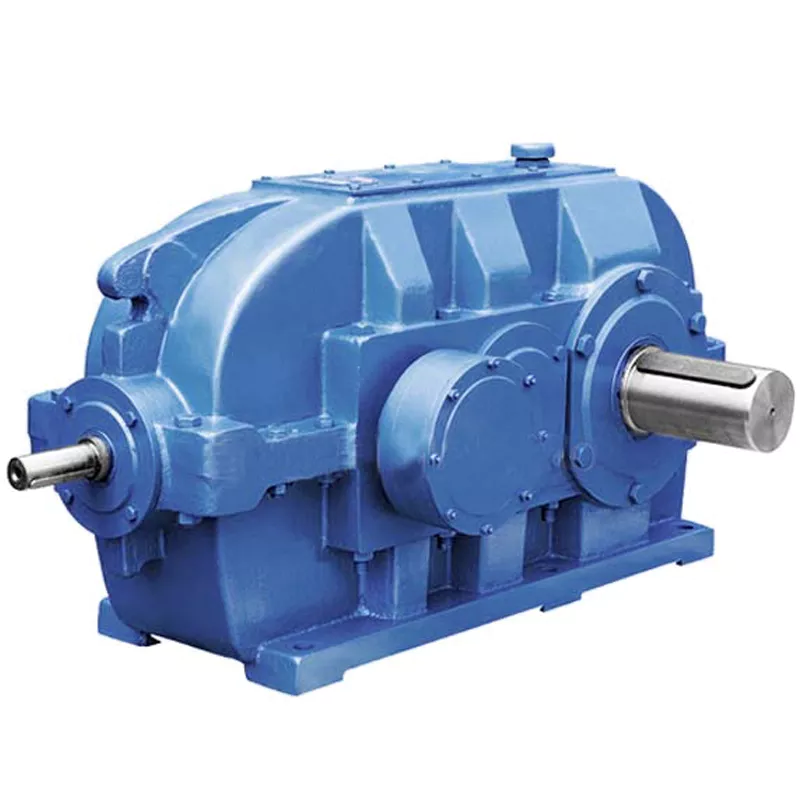
Gear reducers are designed to handle variations in input and output speeds through the use of different gear ratios and configurations. They achieve this by utilizing intermeshing gears of varying sizes to transmit torque and control rotational speed.
The basic principle involves connecting two or more gears with different numbers of teeth. When a larger gear (driving gear) engages with a smaller gear (driven gear), the rotational speed of the driven gear decreases while the torque increases. This reduction in speed and increase in torque enable gear reducers to efficiently adapt to variations in input and output speeds.
The gear ratio is a critical factor in determining how much the speed and torque change. It is calculated by dividing the number of teeth on the driven gear by the number of teeth on the driving gear. A higher gear ratio results in a greater reduction in speed and a proportionate increase in torque.
Planetary gear reducers, a common type, use a combination of gears including sun gears, planet gears, and ring gears to achieve different speed reductions and torque enhancements. This design provides versatility in handling variations in speed and torque requirements.
In summary, gear reducers handle variations in input and output speeds by using specific gear ratios and gear arrangements that enable them to efficiently transmit power and control motion characteristics according to the application’s needs.
editor by CX 2023-10-24
China high quality Cuw Double Enveloping Worm Gear Reducer with Two Stages with high quality
Product Description
CUW Double Enveloping Worm Gear Reducer with Two Stages
Technical data:
1, High torque double enveloping worm gear adjust toughest working condition .
2,Universal design double enveloping worm gearbox.
3, Smooth and noiseless operation double worm gearbox.
4, Higher driving efficiency than traditional worm gear.
5, Increasing loading capacity .
6, Strict quality test before shipping
7, Customized design for various application
8, Long life service period
9,suitable price with moderated
10, moderate price & high quality
Characteristic
1. Double-enveloping worm gearing, 3-5 teeth contact;
2. Small volume, big capacity;
3.3-5 times than universal worm gear;
4. High efficiency, 66%-91%
Datasheet on CUW double enveloping worm gear reducer :
| Model | ShaftDia. (mm) | Center Height (CUW) | (CUW) Output shaft Dia. | Power | Ratio | Permitted Torque | Weight |
| (CUW) input Solid(h6) | (mm) | (mm) | (kw) | (Nm) | (KGS) | ||
| 100 | 28 | 190 | 48 | 1.41~11.5 | 10 .25~ 62 | 683-1094 | 42 |
| 125 | 32 | 225 | 55 | 2.42~19.7 | 10 .25 ~ 62 | 1170~2221 | 65 |
| 140 | 38 | 255 | 65 | 3.94~25.9 | 10 .25 ~ 62 | 1555 ~ 3473 | 85 |
| 160 | 42 | 290 | 70 | 4.39~35.7 | 10 .25 ~ 62 | 2143 ~4212 | 120 |
| 180 | 48 | 320 | 80 | 5.83~47.5 | 10 .25 ~ 62 | 2812 ~ 5387 | 170 |
| 200 | 55 | 350 | 90 | 7.52 ~61.2 | 10 .25 ~ 62 | 3624 ~6859 | 220 |
| 225 | 60 | 390 | 100 | 9.9~81.4 | 10 .25 ~ 62 | 4872 ~ 9224 | 290 |
| 250 | 65 | 430 | 110 | 12.9 ~105 | 10 .25~ 62 | 6284~11892 | 380 |
| 280 | 70 | 480 | 120 | 16.9 ~ 138 | 10 .25 ~ 62 | 8347 ~ 15820 | 520 |
| 315 | 75 | 530 | 140 | 22.5 ~183 | 10 .25 ~ 62 | 11068~ 19450 | 700 |
| 355 | 80 | 595 | 150 | 30~245 | 10 .25 ~ 62 | 14818 ~28014 | 1030 |
| 400 | 90 | 660 | 170 | 32.1 ~261 | 10 .25 ~ 62 | 15786~29918 | 1400 |
| 450 | 100 | 740 | 190 | 42.6 ~347 | 10 .25 ~ 62 | 2571~39881 | 1980 |
| 500 | 110 | 815 | 210 | 54.9 ~ 448 | 10 .25 ~ 62 | 27097~51180 | 2700 |
| Application: | Machinery, Agricultural Machinery, Industry |
|---|---|
| Hardness: | Hardened Tooth Surface |
| Installation: | Horizontal Type |
| Layout: | Coaxial |
| Gear Shape: | Cylindrical Gear |
| Step: | Single-Step |
| Samples: |
US$ 500/Piece
1 Piece(Min.Order) | |
|---|
| Customization: |
Available
| Customized Request |
|---|
Can you provide real-world examples of products that use gear reducer technology?
Certainly! Gear reducer technology is widely used in various industries and products to enhance performance and efficiency. Here are some real-world examples:
1. Industrial Machinery: Gear reducers are commonly used in manufacturing machinery, such as conveyor systems, material handling equipment, and assembly lines, where they help control speed and torque for precise operations.
2. Wind Turbines: Wind turbines utilize gear reducers to transform the low rotational speed of the wind turbine rotor into the higher speed needed for electricity generation, optimizing energy conversion.
3. Automotive Transmissions: Automobiles use gear reducers as part of their transmissions to optimize power delivery from the engine to the wheels, allowing the vehicle to operate efficiently at different speeds.
4. Robotics: Robotic systems rely on gear reducers to control the movement and articulation of robot arms, enabling precise and controlled motion for various applications.
5. Printing Presses: Gear reducers are integral to printing presses, ensuring accurate and synchronized movement of printing plates, rollers, and paper feed mechanisms.
6. Conveyor Belts: Conveyor systems in industries like mining, agriculture, and logistics use gear reducers to regulate the movement of materials along the conveyor belts.
7. Packaging Machinery: Gear reducers play a crucial role in packaging machines, controlling the speed and movement of packaging materials, filling mechanisms, and sealing components.
8. Cranes and Hoists: Cranes and hoists rely on gear reducers to lift heavy loads with precision and control, ensuring safe and efficient material handling.
9. Pumps and Compressors: Gear reducers are utilized in pumps and compressors to regulate fluid flow and pressure, optimizing energy usage in fluid transportation systems.
10. Agriculture Equipment: Tractors and other agricultural machinery use gear reducers to adjust the speed and power delivery for different tasks, such as plowing, planting, and harvesting.
These examples demonstrate the diverse applications of gear reducer technology across various industries, showcasing their role in enhancing efficiency, control, and performance in a wide range of products and systems.
What factors should be considered when selecting the right gear reducer?
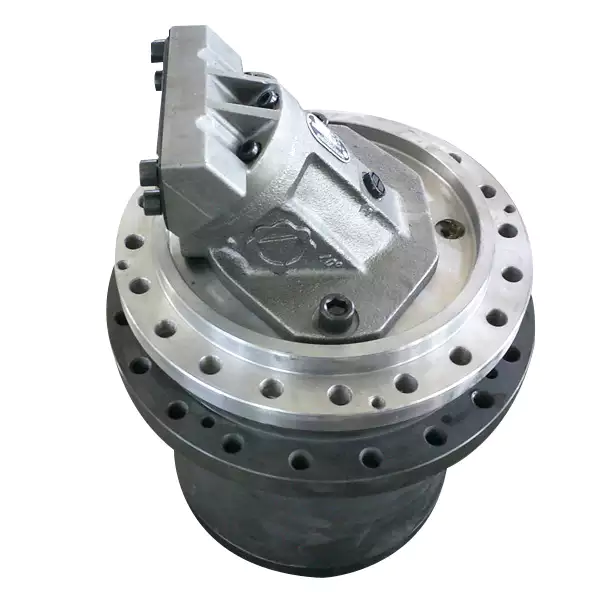
Choosing the appropriate gear reducer involves considering several crucial factors to ensure optimal performance and efficiency for your specific application:
- 1. Torque and Power Requirements: Determine the amount of torque and power your machinery needs for its operation.
- 2. Speed Ratio: Calculate the required speed reduction or increase to match the input and output speeds.
- 3. Gear Type: Select the appropriate gear type (helical, bevel, worm, planetary, etc.) based on your application’s torque, precision, and efficiency requirements.
- 4. Mounting Options: Consider the available space and the mounting configuration that suits your machinery.
- 5. Environmental Conditions: Evaluate factors such as temperature, humidity, dust, and corrosive elements that may impact the gear reducer’s performance.
- 6. Efficiency: Assess the gear reducer’s efficiency to minimize power losses and improve overall system performance.
- 7. Backlash: Consider the acceptable level of backlash or play between gear teeth, which can affect precision.
- 8. Maintenance Requirements: Determine the maintenance intervals and procedures necessary for reliable operation.
- 9. Noise and Vibration: Evaluate noise and vibration levels to ensure they meet your machinery’s requirements.
- 10. Cost: Compare the initial cost and long-term value of different gear reducer options.
By carefully assessing these factors and consulting with gear reducer manufacturers, engineers and industry professionals can make informed decisions to select the right gear reducer for their specific application, optimizing performance, longevity, and cost-effectiveness.
Function of Gear Reducers in Mechanical Systems
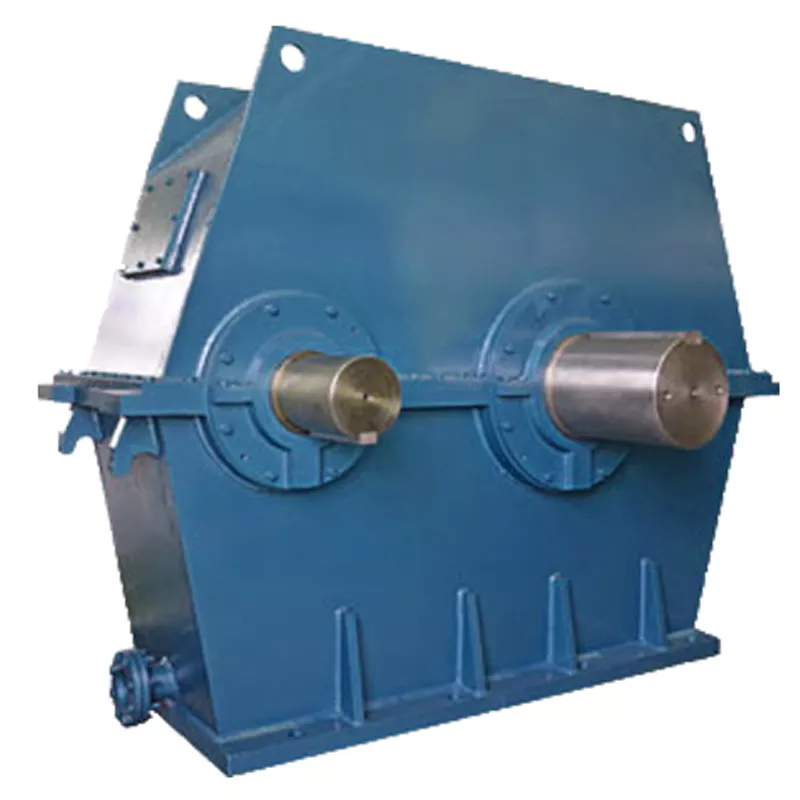
A gear reducer, also known as a gear reduction unit or gearbox, is a mechanical device designed to reduce the speed of an input shaft while increasing its torque output. It accomplishes this through the use of a set of interlocking gears with different sizes.
The primary function of a gear reducer in mechanical systems is to:
- Speed Reduction: The gear reducer takes the high-speed rotation of the input shaft and transmits it to the output shaft through a set of gears. The gears are configured in such a way that the output gear has a larger diameter than the input gear. As a result, the output shaft rotates at a lower speed than the input shaft, but with increased torque.
- Torque Increase: Due to the size difference between the input and output gears, the torque applied to the output shaft is greater than that of the input shaft. This torque multiplication allows the system to handle heavier loads and perform tasks requiring higher force.
Gear reducers are widely used in various industries and applications where it’s necessary to adapt the speed and torque characteristics of a power source to meet the requirements of the driven equipment. They can be found in machinery such as conveyor systems, industrial machinery, vehicles, and more.
editor by CX 2023-10-23
China manufacturer Vf Series Double Worm Gear Speed Reducer Transmission Gearbox gearbox and motor
Product Description
Vf Series Double Worm Gear Speed Reducer Transmission Gearbox. Helical gearbox series not only has higher transmission efficiency and loading capability than those of single-stage worm wheel transmission, but also reduces space. Moreover, under the close volume, the series can obtain higher transmission ratio and is more favorable for equipment setting. This product can be combined with various reducers to meet different requirements. S series with self-lock function
Energy Efficiency: Leveraging the advantages of high efficiency of helical gears and smooth transmission of worm gears, the reducer performs with outstanding stability and efficiency is above 90%
Loading Capacity: Available with power ranges from 0.12KW to 37KW, depending on different requirements and applications.
Installation Flexibility: All models are designed for a choice of mounting position M1-M6 specified by customers.
RICHMAN UNIVERSAL SOURCING CO LIMITED is located in HangZhou ZheJiang . With more than 20 years experience in gear transmission area, we have our owned factory and product lines. Worm reducer (WP series; RV series; VF series), screw jack reducer (WSH series) and helical gearbox (K,S,R,F series) are current mainly products. Strict and precision quality control procedure makes the final products meet demands of our customers.
We try to develop different markets, cooperate with kinds of customers, which can makes us keep moving forward, keep innovative and international vision. Richman Universal Sourcing is your best partner of transmission resolutions.
| Application: | Motor, Machinery |
|---|---|
| Function: | Change Drive Torque, Change Drive Direction, Speed Reduction |
| Layout: | Coaxial |
| Hardness: | Hardened Tooth Surface |
| Installation: | Vertical Type |
| Step: | Three-Step |
| Customization: |
Available
| Customized Request |
|---|
editor by CX 2023-09-05
China Best Sales Double Stage Nmrv Series Worm Gear Box for Industry cvt gearbox
Product Description
RV series Worm Gearbox
1. Product Features
Efficient and safe operating.
Compact structure and small volume save mounting space.
High load capacity and overload functions give stable transmission with reduced vibration and low noise.
Little gap structure of gearbox makes this reducer maintenance free and prevents lubricant from leaking.
Various linking structures for power input and torque output allows for different mounting methods.
Low noise and stably running, to adapt long term work condition in terrible environment.
Light weight and high mechanical strength.
Motor mounting, shaft mounting and flange mounting.
2. RV series are widely used, it is an ideal choice for modern industrial equipment to realize transmission and control at large speed reducing ratio.
| Input Power | 0.06-7.5kW |
| Ratio | 5-100 |
| Output Torque | 0.06-1179N. m |
Application:
Ceramic Industry
Glass Industry
Food Industry
Metallurgy Industry
Beer& Drink Industry
Printing and dyeing Industry
Textile Industry
Warehouse Logoistics Industry
Wood working Machinery
environmental protection equipment Industry
Leather Industry
Pharmacy Industry
4.Our Services
4.1.We provide 12 months Warranty.
4.2. We have thousands of gearbox reducers. From Input Power 0.06KW to 200KW, Ratio 1.3-289.74, Output speed 0-1095rpm and Output torque 1.4-62800Nm…They can meet your all different requirements for different industries.
4.3. We provide E-catalog or Paper catalog,so you can select the model easily according to your requirements
4.4.You are welcome to visit our factory to check our products,we can help you to book the hotel or ticket
5.Company Information
Company Profile
ZheJiang CZPT Drive Co.,Ltd,the predecessor was a state-owned military mould enterprise, was established in 1965. CZPT specializes in the complete power transmission solution for high-end equipment manufacturing industries based on the aim of “Platform Product, Application Design and Professional Service”.
Starshine have a strong technical force with over 350 employees at present, including over 30 engineering technicians, 30 quality inspectors, covering an area of 80000 square CZPT and kinds of advanced processing machines and testing equipments. We have a good foundation for the industry application development and service of high-end speed reducers & variators owning to the provincial engineering technology research center,the lab of gear speed reducers, and the base of modern R&D.
Our main products are R/S/K/F series helical geared motor, SNP series planetary gearboxes, SNKG series bevel-helical gearmotor, NCJ series gear motor, RV series worm gearboxes, JWB-X series speed variators, B/JXJ series cycloidal gearboxes, XGK series helical-hypoid Gearboxes, which widely used in ceramic industry, glass industry, woodworking machinery , high voltage switch, food & beverage, packaging & printing, Storage & logistics, hoisting & transportation facilities…etc , and CZPT technically provide the professional product & service for the medium and high-end customers, and our gearboxes are best-selling in domestic, and even in abroad , such as in Europe, North America, South America, Middle East, South Asia, Southeast Asia, Africa…etc.
In the future , Starshine will hold the creed of “serving customer, diligence & simplicity, self-criticism, innovation, honesty, teamwork”, and the concept of “quality creates value” to focus on the customers’ requirements and provide them the competitive transmission solution and create value for them constantly, and make a high-end equipment manufacturing industry and create a preferred brand of replacing import products and upgrading continuously for the end users.
Between Dynamic and Static, Simple is Extraordinary, let’s go CZPT hand in hand and make a brilliant future!
Our factory
1. 300 sets advanced processing machines
2. “6S”Standardized Management
Our Team
Technical Team
Sales Team
Exibition Show
2019 ASIA ceramics exhibition
2018 World of Industry Exhibition
Quality Assurance
Products 100% test before delivery
Passed ISO 9001: 2015 Certificate.
Our service
1. We provide 12 months Warranty.
2. We have thousands of gearbox reducers. From Input Power 0.06KW to 200KW, Ratio 1.3-289.74, Output speed 0-1095rpm and Output torque 1.4-62800Nm. They can meet your all different requirements for different industries.
3. 24 hours online service.
4. Fast delivry.
5. We provide E-catalog or Paper catalog,so you can select the model easily according to your requirements
6. Welcome you come to our factory to check our products, we can help you to book the hotel or ticket.
FAQ
Q:Are you a trading company or manufacturer?
A: We are manufacturer.
Q:Where do you base?
A: We are in Xihu (West Lake) Dis. district, HangZhou, China.
Q:What kinds of gearbox can you produce for us?
A: R/S/K/F series helical geared motor, SNP series planetary gearboxes, SNKG series bevel-helical gearmotor, NCJ series gear motor, RV series worm gearboxes, JWB-X series speed variators, B/JXJ series cycloidal gearboxes, XGK series helical-hypoid Gearboxes
Q:What are the application of the gearbox?
A:Products are widely used in ceramic, glass, food, metallurgy, beer & drink, printing and dyeing, textile, petrochemical engineering, warehouse logistics, wood-working machine, environmental protection equipment, printing and packaging, pharmacy, and leather. Products are sold in some countries and regions, such as Europe, America, and Southeast Asia, and it possesses dozens of distributors and after-sale service agents.
Q:What is the material you use?
A1: Aluminum Housing body ( For the RV series worm gearbox Size 30~90)
A2: Cast iron(For the RV series worm gearbox, Size 110-150, For the NCJ & F/R/S/K series helical gear reducer)
Any inquiry pls contact:
Nicola Huang (Export sales)
Website: gearbox1965
| Application: | Motor, Machinery, Agricultural Machinery |
|---|---|
| Function: | Speed Reduction |
| Layout: | Worm and Worm Wheel |
| Hardness: | Soft Tooth Surface |
| Installation: | Customerized |
| Step: | Double-Step |
| Customization: |
Available
| Customized Request |
|---|
Types of Vehicle Gearboxes
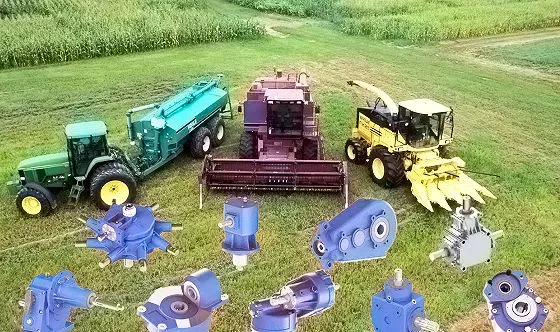
In a vehicle, there are many types of gearboxes available. There are planetary gearboxes, Coaxial helical gearboxes, and skew bevel helical gearboxes, among others. In this article, we’ll cover all of them and help you determine which type of gearbox would be right for your vehicle. Also, we’ll discuss how each differs from the others.
planetary gearbox
A planetary gearbox is composed of three main components: a sun gear, an input bevel gear, and an output shaft. A planetary gearbox can have different output torques and ratios. The basic model of a planetary gearbox is highly efficient and transmits 97% of the power input. There are several kinds of planetary gearboxes, depending on the type of operation. In general, there are three types: the simple, the intermediate, and the complex.
The price of a planetary gearbox can vary a lot, and it’s important to know what you’ll need. Different manufacturers produce different planetary gearboxes, so check with a manufacturer to see what they have available. Make sure to check the quality of the planetary gearbox before making a final purchase. In addition, be sure to compare the prices and the availability of a particular product. A quality planetary gearbox will provide years of trouble-free operation and will not break your bank.
Planetary gears feature an integer number of teeth. Each planet has teeth that must mesh with its ring or sun. The number of planets, ring, and tooth count of each gear determine whether the teeth mesh. Some planets have fewer teeth than others, so they mesh better than others. However, compound planets can be more flexible and achieve higher reduction ratios. If you’re looking for a planetary gearbox for your next project, consider getting in touch with a manufacturer who specializes in this technology.
When it comes to construction, a planetary gearbox is no exception. It’s extremely important to choose the right planetary gear for your application, because an imbalance in the planet gear can cause increased wear and failure. Moreover, the compact size of a planetary gear ensures maximum heat dissipation. However, a planetary gear box may require cooling in some applications. A planetary gearbox will make your life easier, and it will give you years of trouble-free operation.
Straight bevel helical gearbox
The Straight bevel helical gearbox has a number of advantages, but it has a relatively short manufacturing process. Its most popular application is in the automotive industry, where it is used in many types of vehicles. Other applications include heavy and light equipment and the aviation and marine industries. Below is a brief introduction to this gearbox type. Read on to learn about its benefits. This type of gearbox is one of the easiest to manufacture.
The spiral bevel gear has larger teeth than straight bevel gears, resulting in a smoother, quieter rotation. It can handle high-speed heavy loads with less vibration. Spiral bevel gears are classified by their tooth form and cutting method. Straight bevel gears are easier to design and manufacture, but spiral bevel gears are more expensive. Both designs are suitable for high-speed, heavy-load operations, and general manufacturing applications.
In addition to being easy to install, the modular bevel gears have many advantages. They have an exceptionally high degree of interchangeability and feature the highest standards of component integrity. They can also be tailored to meet your specific requirements. The advantages of this gearbox type include high precision, optimum performance, and low noise. And because they are modular, they can be produced in a variety of finishes. These include stainless steel, titanium, and bronze.
Straight bevel helical gearbox manufacturers are committed to a high degree of precision in their designs. The radii, torques, and tooth profiles of straight bevel gears are more precisely measured than those of cylindrical bevel gears. The same calculations are used for all traditional bevel gear generators. This ensures that your 5-axis milled bevel gear sets have the same calculations and layout.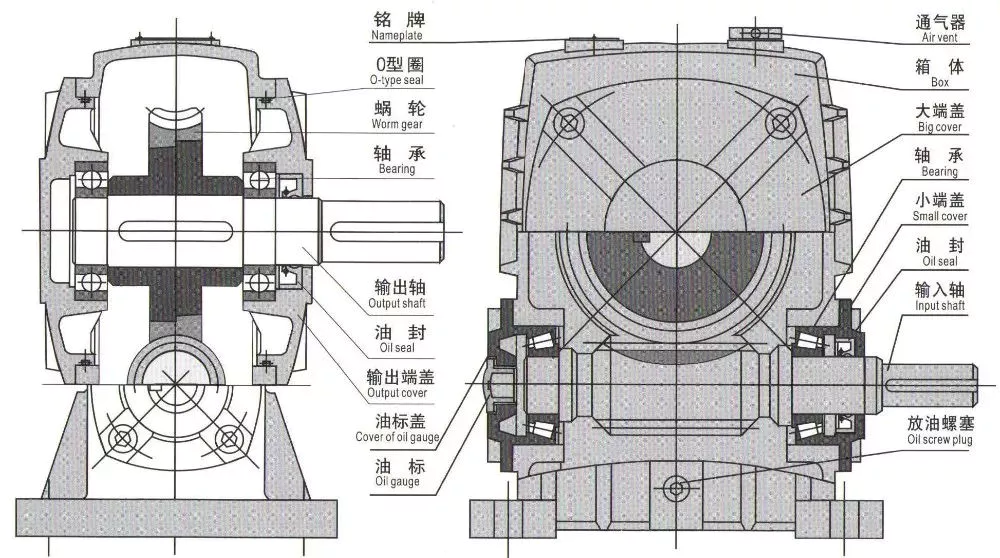
Coaxial helical gearbox
The Coaxial helical gearbox is a highly efficient transmission system that is well suited for light-duty applications. Compared to spur-type gearboxes, the real pitch of a Coaxial helical gearbox is low at all helix angles. This is because the coaxial type has the same number of teeth and center gap as the spur gearbox. Coaxial helical gearboxes also have a smaller footprint and are compact.
Several nations have implemented lockdown regulations for Industrial Gearbox trade, threatening the global economy. Several factors have been implicated in COVID-19, including supply chain, market, and financial markets. Experts are monitoring the situation globally and project remunerative prospects for gearbox manufacturers after the crisis. This report depicts the latest scenario and offers a comprehensive analysis of COVID-19’s impact on the entire industry.
This Coaxial helical gearbox features a compact structure and high precision gear. Its three-stage design combines two-stage gears with a single-stage gear, forging high-quality alloy steel for high precision and durability. The gears are serially-designed for easy interchangeability. They are also available in high-frequency heat-treated steel. A Coaxial helical gearbox is the perfect solution for many applications.
Coaxial helical gearboxes have the added benefit of using cylindrical gears instead of shafts. They operate quietly, and have more surface area to interact with. Their fixed angles make them suitable for heavy-duty applications, like in conveyors, coolers, and grinders. Compared to other gearbox types, Helical gearboxes have higher power-carrying capacity. Listed below are the benefits of a Coaxial Helical Gearbox
Skew bevel helical gearbox
A Skew bevel helical gear box is a common type of industrial gearbox. These gearboxes are rigid and compact and can be used in a variety of applications. They are commonly used in heavy-duty applications such as grinding mills, conveyors, and coolers. They are used in many applications to provide rotary motions between non-parallel shafts. They also have the added benefit of high-efficiency in a variety of industries.
Skew bevel helical gear boxes are suitable for heavy loads and are monolithic in construction. This type of gearbox combines the benefits of bevel and helical gears for right-angle torque, which makes it a popular choice for heavy-duty applications. In addition to being a robust and reliable gearbox, these gearboxes are highly customizable and can meet almost any industrial need.
To maximize the efficiency of bevel gears, FE-based tooth contact analysis is used to develop a sophisticated geometry optimization algorithm. The software also allows users to define optimal flank topography by introducing application-specific weightings for specific load levels. With this data, a manufacturing simulation is conducted to determine the best variant. A robust variant combines the benefits of efficiency, load-carrying capacity, and low excitation behavior.
The helical gear can be angled at 90 degrees. This is similar to a spur gear but produces less noise. It can achieve a nine-to-one speed reduction with one stage. However, a helical gear requires a larger driver gear for higher reductions. This gearbox is suitable for speeds from 1:1 to three times. They are often used in the manufacture of motors and generators.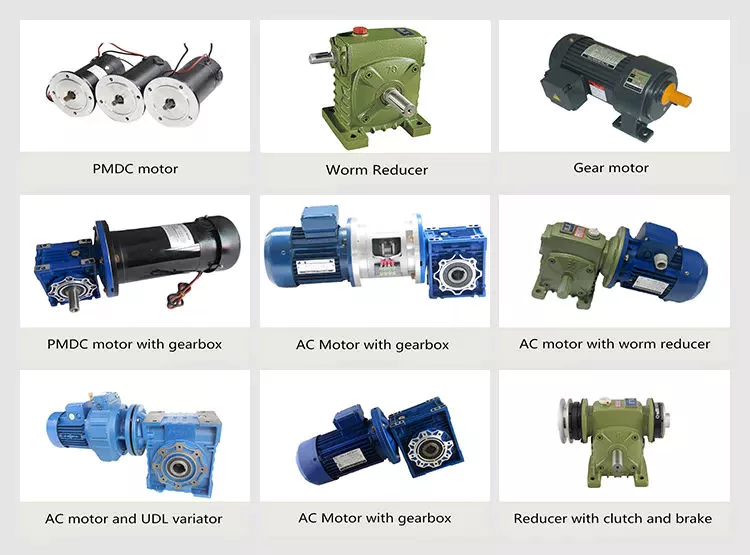
Extruder helical gearbox
An extruder helical gearbox is one of the most common industrial gears. It is compact in size and low-power consuming, making it ideal for heavy-duty applications. Extruder helical gearboxes are suitable for a variety of industrial applications, including cement, plastics, rubber, conveyors, and coolers. In addition to its use in plastics and rubber manufacturing, this gearbox is also useful in other low-power applications such as crushers, coolers, and conveyors.
CZPT SG series Extruder Helical Gearboxes are available in Single Screw and Twin Screw Variations. These gears feature a compact design, high power density, and long service life. Axial bearing housing and thrust bearings are mounted on the input shafts. Extruder helical gearboxes can be installed in various positions, including horizontal, vertical, and inclined.
Helicoidal gears are often produced in a modular manner. This design provides multiple benefits, including engineering and performance advantages, modular production, and the highest level of component integrity. A single helical gearbox can be assembled into a larger gearbox if needed, but modular production ensures consistent performance and economy. This modular design is also cost-effective. It is a versatile and reliable solution for a wide range of applications.
In addition to its efficiencies, Extruder helical gearboxes also have a low noise profile. They have no squeal sounds, and they are silent when running. They can transfer more power than conventional gearboxes. This type of gear has been used in the manufacturing of high-quality plastic products for years. They are often used for applications in automotive transmissions. Aside from being quiet, helical gears have higher contact levels and lower vibration.
editor by CX 2023-06-12
China Hot selling Worm Gear Series Double Enveloping Worm Gearbox for Output Hollow Shaft gearbox design
Product Description
Worm Gear Series Double Enveloping Worm Gearbox for Output Hollow Shaft
Product Description
Series C double enveloping worm gear
Model: 100 – 500
Ratio: 10 -63
Output Torque : 683 – 51180 N.m
Rating Power : 47/25HP(1.41Kw) – 597HP(448Kw)
In a Worm Gearbox, Worm Reduction Gear Box, Worm Speed Reducer and Gear Motor Manufacturer, three to 11 gear teeth are typically in contact with the worm, depending CZPT the ratio. The increased number of driven gear teeth that are in contact with the worm significantly increases torque capacity also raises shock load resistance. In addition to increasing the number of driven gear teeth in contact with the worm, Worm Gearbox, Worm Reduction Gear Box, Worm Speed Reducer and Gear Motor Manufacturer also increases the contact area on each gear tooth. The actual areas of instantaneous contact between the worm threads and the driven gear tooth are lines. These lines of contact move across the face of the gear tooth as it progresses through its total time of mesh with the worm. The lines of contact in double-enveloping worm gearing are configured to increase the power transmission capability and reduce the stress on each gear tooth.
Working conditions
Two shafts for 90 ° Intersect, input speed must not be more than 1500 rpm.The working environment temperature should range from 0 ~ 40 ° C, when the environment temperature below 0 ° C or above 40 ° C.Before starting the lubricating oil to corresponding heating and cooling, The worm shafts, reverse operation can be positive.
Data sheet on CUW double enveloping worm gear reducer :
| Model | ShaftDia. (mm) | Center Height (CUW) | (CUW) Output shaft Dia. | Power | Ratio | Permitted Torque | Weight |
| (CUW) input Solid(h6) | (mm) | (mm) | (kw) | (Nm) | (KGS) | ||
| 100 | 28 | 190 | 48 | 1.41~11.5 | 10 .25~ 62 | 683-1094 | 42 |
| 125 | 32 | 225 | 55 | 2.42~19.7 | 10 .25 ~ 62 | 1170~2221 | 65 |
| 140 | 38 | 255 | 65 | 3.94~25.9 | 10 .25 ~ 62 | 1555 ~ 3473 | 85 |
| 160 | 42 | 290 | 70 | 4.39~35.7 | 10 .25 ~ 62 | 2143 ~4212 | 120 |
| 180 | 48 | 320 | 80 | 5.83~47.5 | 10 .25 ~ 62 | 2812 ~ 5387 | 170 |
| 200 | 55 | 350 | 90 | 7.52 ~61.2 | 10 .25 ~ 62 | 3624 ~6859 | 220 |
| 225 | 60 | 390 | 100 | 9.9~81.4 | 10 .25 ~ 62 | 4872 ~ 9224 | 290 |
| 250 | 65 | 430 | 110 | 12.9 ~105 | 10 .25~ 62 | 6284~11892 | 380 |
| 280 | 70 | 480 | 120 | 16.9 ~ 138 | 10 .25 ~ 62 | 8347 ~ 15820 | 520 |
| 315 | 75 | 530 | 140 | 22.5 ~183 | 10 .25 ~ 62 | 11068~ 19450 | 700 |
| 355 | 80 | 595 | 150 | 30~245 | 10 .25 ~ 62 | 14818 ~28014 | 1030 |
| 400 | 90 | 660 | 170 | 32.1 ~261 | 10 .25 ~ 62 | 15786~29918 | 1400 |
| 450 | 100 | 740 | 190 | 42.6 ~347 | 10 .25 ~ 62 | 2571~39881 | 1980 |
| 500 | 110 | 815 | 210 | 54.9 ~ 448 | 10 .25 ~ 62 | 27097~51180 | 2700 |
Advantage:
The advantage of CZPT High Efficiency, Low Noice Cone Worm Series Worm Gearbox design are dramatic. First, the total load is divided among more individual gear teeth, and the load is further divided where teeth support 2 lines of contact. This superior load distribution greatly increases load carrying capacity. Second, the improved torque throughput allows a smaller reducer to produce the same amount of torque, resulting in size and weight savings.
Double-enveloping worm gearing can carry loads that would require much larger and heavier cylindrical worm gearing.
Double-enveloping worm gearbox figure :
(Click on picture for more information)
| Application: | Motor, Machinery, Marine, Agricultural Machinery |
|---|---|
| Function: | Distribution Power, Change Drive Torque, Change Drive Direction, Speed Changing, Speed Reduction, Speed Increase |
| Layout: | Coaxial |
| Hardness: | Hardened Tooth Surface |
| Installation: | Horizontal Type |
| Step: | Single-Step |
| Samples: |
US$ 500/Piece
1 Piece(Min.Order) | |
|---|
| Customization: |
Available
| Customized Request |
|---|
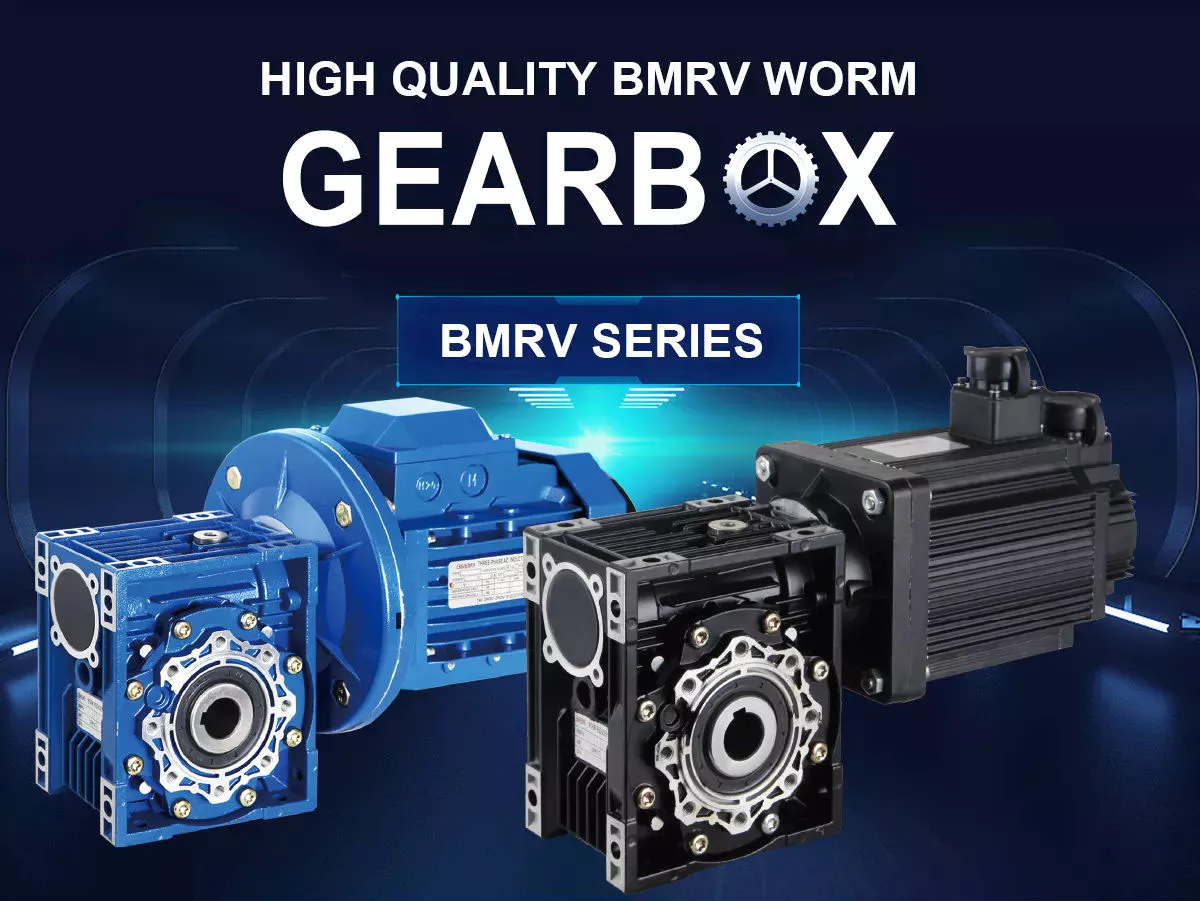
What Is a Gearbox?
There are several factors to consider when choosing a gearbox. Backlash, for example, is a consideration, as it is the angle at which the output shaft can rotate without the input shaft moving. While this isn’t necessary in applications without load reversals, it is important for precision applications involving load reversals. Examples of these applications include automation and robotics. If backlash is a concern, you may want to look at other factors, such as the number of teeth in each gear.
Function of a gearbox
A gearbox is a mechanical unit that consists of a chain or set of gears. The gears are mounted on a shaft and are supported by rolling element bearings. These devices alter the speed or torque of the machine they are used in. Gearboxes can be used for a wide variety of applications. Here are some examples of how gearboxes function. Read on to discover more about the gears that make up a gearbox.
Regardless of the type of transmission, most gearboxes are equipped with a secondary gear and a primary one. While the gear ratios are the same for both the primary and secondary transmission, the gearboxes may differ in size and efficiency. High-performance racing cars typically employ a gearbox with two green and one blue gear. Gearboxes are often mounted in the front or rear of the engine.
The primary function of a gearbox is to transfer torque from one shaft to another. The ratio of the driving gear’s teeth to the receiving member determines how much torque is transmitted. A large gear ratio will cause the main shaft to revolve at a slower speed and have a high torque compared to its counter shaft. Conversely, a low gear ratio will allow the vehicle to turn at a lower speed and produce a lower torque.
A conventional gearbox has input and output gears. The countershaft is connected to a universal shaft. The input and output gears are arranged to match the speed and torque of each other. The gear ratio determines how fast a car can go and how much torque it can generate. Most conventional transmissions use four gear ratios, with one reverse gear. Some have two shafts and three inputs. However, if the gear ratios are high, the engine will experience a loss of torque.
In the study of gearbox performance, a large amount of data has been collected. A highly ambitious segmentation process has yielded nearly 20,000 feature vectors. These results are the most detailed and comprehensive of all the available data. This research has a dual curse – the first is the large volume of data collected for the purpose of characterization, while the second is the high dimensionality. The latter is a complication that arises when the experimental gearbox is not designed to perform well.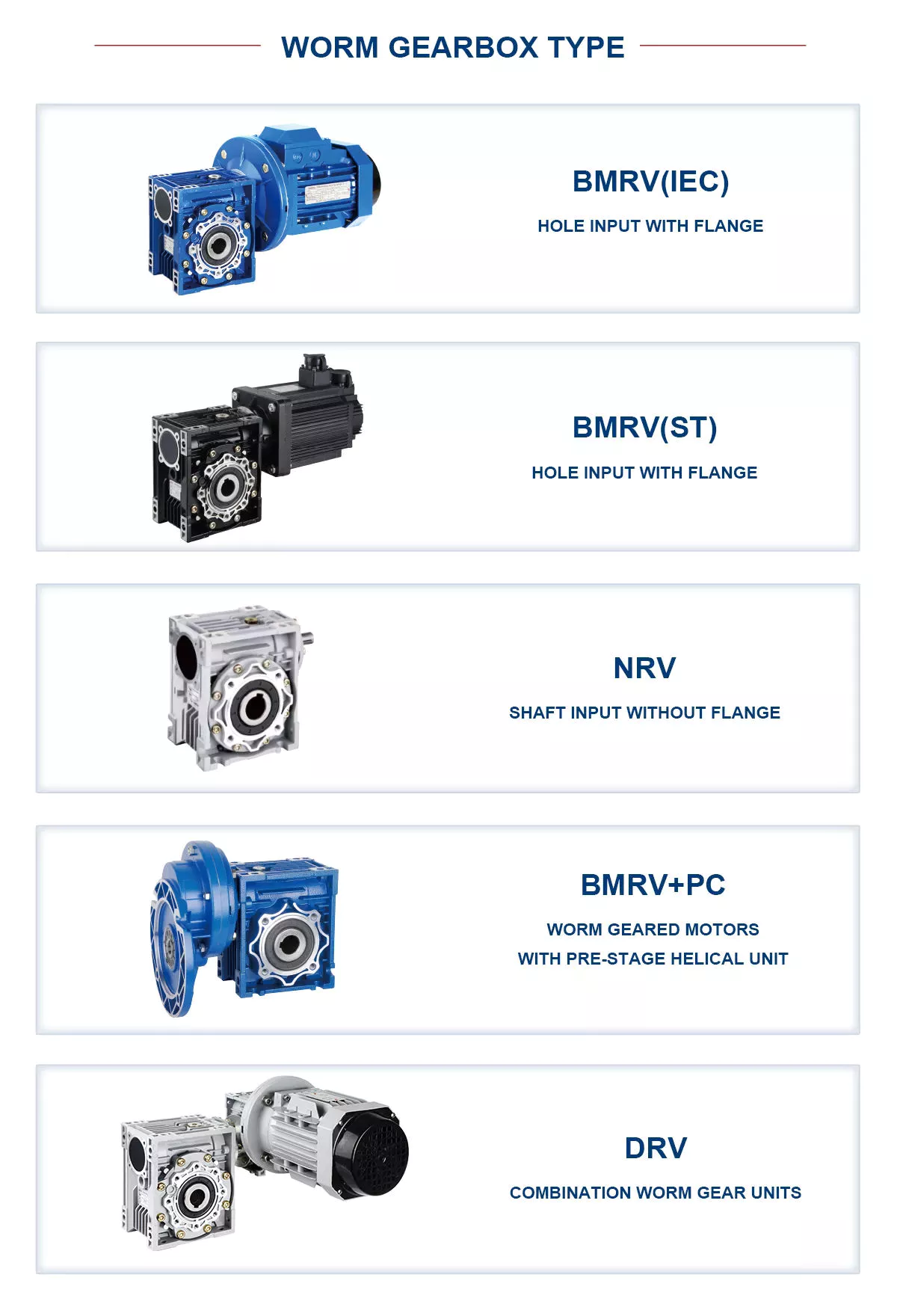
Bzvacklash
The main function of a gearhead is to multiply a moment of force and create a mechanical advantage. However, backlash can cause a variety of issues for the system, including impaired positioning accuracy and lowered overall performance. A zero backlash gearbox can eliminate motion losses caused by backlash and improve overall system performance. Here are some common problems associated with backlash in gearheads and how to fix them. After you understand how to fix gearbox backlash, you’ll be able to design a machine that meets your requirements.
To reduce gearbox backlash, many designers try to decrease the center distance of the gears. This eliminates space for lubrication and promotes excessive tooth mesh, which leads to premature mesh failure. To minimize gearbox backlash, a gear manufacturer may separate the two parts of the gear and adjust the mesh center distance between them. To do this, rotate one gear with respect to the fixed gear, while adjusting the other gear’s effective tooth thickness.
Several manufacturing processes may introduce errors, and reducing tooth thickness will minimize this error. Gears with bevel teeth are a prime example of this. This type of gear features a small number of teeth in comparison to its mating gear. In addition to reducing tooth thickness, bevel gears also reduce backlash. While bevel gears have fewer teeth than their mating gear, all of their backlash allowance is applied to the larger gear.
A gear’s backlash can affect the efficiency of a gearbox. In an ideal gear, the backlash is zero. But if there is too much, backlash can cause damage to the gears and cause it to malfunction. Therefore, the goal of gearbox backlash is to minimize this problem. However, this may require the use of a micrometer. To determine how much gearbox backlash you need, you can use a dial gauge or feeler gauge.
If you’ve been looking for a way to reduce backlash, a gearbox’s backlash may be the answer. However, backlash is not a revolt against the manufacturer. It is an error in motion that occurs naturally in gear systems that change direction. If it is left unaccounted for, it can lead to major gear degradation and even compromise the entire system. In this article, we’ll explain how backlash affects gears and how it affects the performance of a gearbox.
Design
The design of gearboxes consists of a variety of factors, including the type of material used, power requirements, speed and reduction ratio, and the application for which the unit is intended. The process of designing a gearbox usually begins with a description of the machine or gearbox and its intended use. Other key parameters to consider during gearbox design include the size and weight of the gear, its overall gear ratio and number of reductions, as well as the lubrication methods used.
During the design process, the customer and supplier will participate in various design reviews. These include concept or initial design review, manufacturing design validation, critical design review, and final design review. The customer may also initiate the process by initiating a DFMEA. After receiving the initial design approval, the design will go through several iterations before the finalized design is frozen. In some cases, the customer will require a DFMEA of the gearbox.
The speed increaser gearboxes also require special design considerations. These gearboxes typically operate at high speeds, causing problems with gear dynamics. Furthermore, the high speeds of the unit increase frictional and drag forces. A proper design of this component should minimize the effect of these forces. To solve these problems, a gearbox should incorporate a brake system. In some cases, an external force may also increase frictional forces.
Various types of gear arrangements are used in gearboxes. The design of the teeth of the gears plays a significant role in defining the type of gear arrangement in the gearbox. Spur gear is an example of a gear arrangement, which has teeth that run parallel to the axis of rotation. These gears offer high gear ratios and are often used in multiple stages. So, it is possible to create a gearbox that meets the needs of your application.
The design of gearboxes is the most complex process in the engineering process. These complex devices are made of multiple types of gears and are mounted on shafts. They are supported by rolling element bearings and are used for a variety of applications. In general, a gearbox is used to reduce speed and torque and change direction. Gearboxes are commonly used in motor vehicles, but can also be found in pedal bicycles and fixed machines.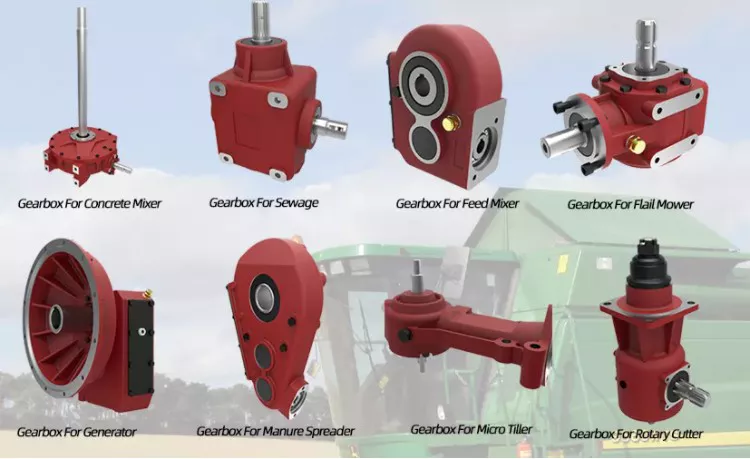
Manufacturers
There are several major segments in the gearbox market, including industrial, mining, and automotive. Gearbox manufacturers are required to understand the application and user industries to design a gearbox that meets their specific requirements. Basic knowledge of metallurgy is necessary. Multinational companies also provide gearbox solutions for the power generation industry, shipping industry, and automotive industries. To make their products more competitive, they need to focus on product innovation, geographical expansion, and customer retention.
The CZPT Group started as a small company in 1976. Since then, it has become a global reference in mechanical transmissions. Its production range includes gears, reduction gearboxes, and geared motors. The company was the first in Italy to achieve ISO certification, and it continues to grow into one of the world’s leading manufacturers of production gearboxes. As the industry evolves, CZPT focuses on research and development to create better products.
The agriculture industry uses gearboxes to implement a variety of processes. They are used in tractors, pumps, and agricultural machinery. The automotive industry uses gears in automobiles, but they are also found in mining and tea processing machinery. Industrial gearboxes also play an important role in feed and speed drives. The gearbox industry has a diverse portfolio of manufacturers and suppliers. Here are some examples of gearboxes:
Gearboxes are complex pieces of equipment. They must be used properly to optimize efficiency and extend their lifespan. Manufacturers employ advanced technology and strict quality control processes to ensure their products meet the highest standards. In addition to manufacturing precision and reliability, gearbox manufacturers ensure that their products are safe for use in the production of industrial machinery. They are also used in office machines and medical equipment. However, the automotive gearbox market is becoming increasingly competitive.
editor by CX 2023-05-24