Product Description
Detailed Photos
Product Parameters
R Series reducers are designed and manufactured on the basis of modular combination system.
There are a lot of motor combinations, installation forms and structural schemes. The transmission
ratio is classified and fine to meet different operating conditions, and the performance is superior.
Reinforced high rigid cast iron box; The hardened gear is made of high-quality alloy steel. Its surface
is carburized, quenched and hardened, and the gear is finely ground. It has stable transmission, low
noise, and large bearing capacity. Low temperature rise, long service life. It is widely used in metallurgy,1. Features: small offset output, compact structure, maximum use of box space, use of integral casting box, good stiffness, can improve the strength of the shaft and bearing life.
2. Installation type and output mode: bottom seated type and large and small flange type installation, CHINAMFG shaft output.
3. Input mode: direct motor, shaft input and connecting flange input.
4. Reduction ratio: secondary 5~24.8, tertiary 27.2~264, R/R combination up to 18125.
5. Average efficiency: Class II 96%, Class III 94%, R/R combination 85%.
6. The R series specially designed for mixing can bear large axial and radial forces.
Technical parameters:
Coaxial coaxial output
R reducer
Power: 0.12KW~160KW
Torque: 1.4N · m ~ 23200N · m
Output speed: 0.06 ~ 1090r/min
Model example:
R17-Y4-4P-32.40-M1-0°
R: Series code
F: Shaft extension flange installation
17: Machine model
Y: Three phase AC asynchronous motor
4: Motor power
4P: motor stage
32.40: Transmission ratio
M1: Installation type
0 °: junction box position (0 ° – 270 °)
R series helical gear hardened gear reducer
Basic model of R series reducer:
R17R27R37R47R57R67R77R87R97R107R137R147R167
RF17RF27RF37RF47RF57RF67RF77RF87RF97RF107RF137RF147RF167
RX37RX57RX67RX77RX87RX97RX107RX127RX157
RXF37RXF57RXF67RXF77RXF87RXF97RXF107RXF127RXF157
R series helical gear reducer with hard tooth surface features small size, light weight, high bearing capacity, high efficiency, long service life, convenient installation, wide motor power range, fine transmission ratio classification, etc. It can be widely used in equipment that needs to be decelerated in various industries.
sewage treatment, chemical industry, pharmacy and other industries.
| Hardness: | Hardened Tooth Surface |
|---|---|
| Installation: | Horizontal Type |
| Layout: | Coaxial |
| Gear Shape: | Cylindrical Gear |
| Step: | Single-Step |
| Type: | Gear Reducer |
| Samples: |
US$ 1780/Piece
1 Piece(Min.Order) | |
|---|
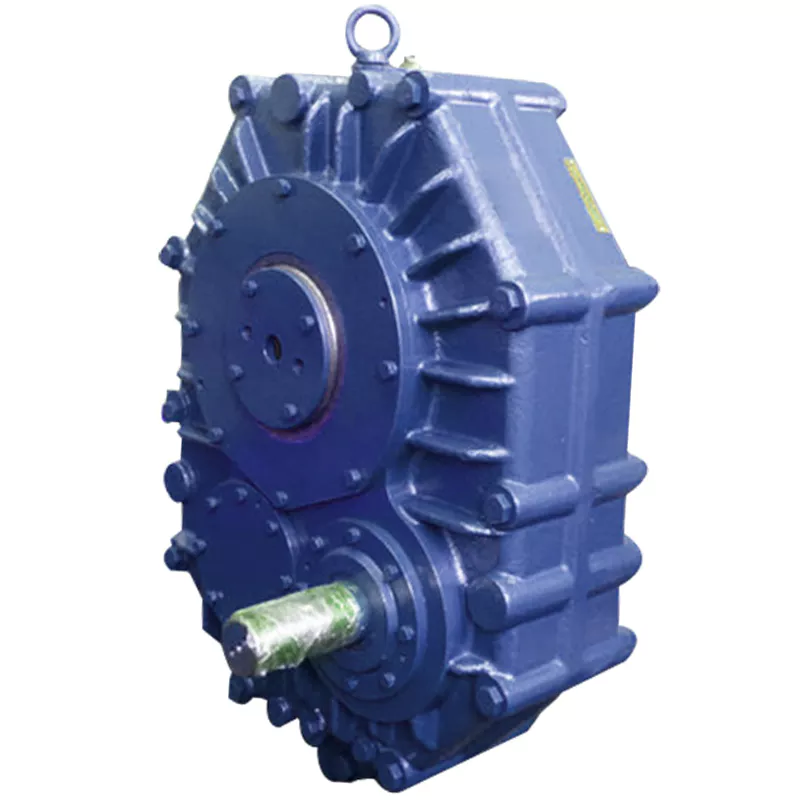
Are there any disadvantages or limitations to using gear reducer systems?
While gear reducer systems offer numerous advantages, they also come with certain disadvantages and limitations that should be considered during the selection and implementation process:
1. Size and Weight: Gear reducers can be bulky and heavy, especially for applications requiring high gear ratios. This can impact the overall size and weight of the machinery or equipment, which may be a concern in space-constrained environments.
2. Efficiency Loss: Despite their high efficiency, gear reducers can experience energy losses due to friction between gear teeth and other components. This can lead to a reduction in overall system efficiency, particularly in cases where multiple gear stages are used.
3. Cost: The design, manufacturing, and assembly of gear reducers can involve complex processes and precision machining, which can contribute to higher initial costs compared to other power transmission solutions.
4. Maintenance: Gear reducer systems require regular maintenance, including lubrication, inspection, and potential gear replacement over time. Maintenance activities can lead to downtime and associated costs in industrial settings.
5. Noise and Vibration: Gear reducers can generate noise and vibrations, especially at high speeds or when operating under heavy loads. Additional measures may be needed to mitigate noise and vibration issues.
6. Limited Gear Ratios: While gear reducers offer a wide range of gear ratios, there may be limitations in achieving extremely high or low ratios in certain designs.
7. Temperature Sensitivity: Extreme temperatures can affect the performance of gear reducer systems, particularly if inadequate lubrication or cooling is provided.
8. Shock Loads: While gear reducers are designed to handle shock loads to some extent, severe shock loads or abrupt changes in torque can still lead to potential damage or premature wear.
Despite these limitations, gear reducer systems remain widely used and versatile components in various industries, and their disadvantages can often be mitigated through proper design, selection, and maintenance practices.
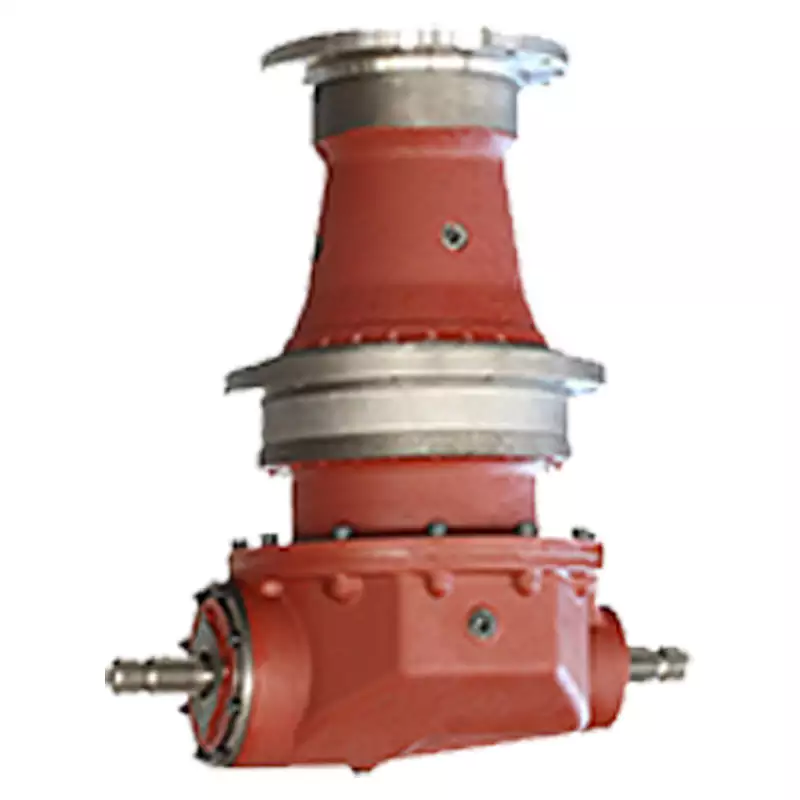
What maintenance practices are essential for prolonging the lifespan of gear reducers?
Proper maintenance is crucial for extending the lifespan and ensuring optimal performance of gear reducers. Here are essential maintenance practices:
- 1. Lubrication: Regular lubrication of gear reducers is vital to reduce friction, wear, and heat generation. Use the recommended lubricant and follow the manufacturer’s guidelines for lubrication intervals.
- 2. Inspection: Routinely inspect gear reducers for signs of wear, damage, or leaks. Check for unusual noises, vibrations, or temperature increases during operation.
- 3. Alignment: Ensure proper alignment of the input and output shafts. Misalignment can lead to increased wear, noise, and reduced efficiency. Align the components according to the manufacturer’s specifications.
- 4. Cooling and Ventilation: Maintain proper cooling and ventilation to prevent overheating. Ensure that cooling fans and vents are clean and unobstructed.
- 5. Seal Maintenance: Inspect and replace seals as needed to prevent contaminants from entering the gear reducer. Contaminants can lead to accelerated wear and reduced performance.
- 6. Bolts and Fasteners: Regularly check and tighten bolts and fasteners to prevent loosening during operation, which can cause misalignment or component damage.
- 7. Replacing Worn Components: Replace worn or damaged components, such as gears, bearings, and seals, with genuine parts from the manufacturer.
- 8. Vibration Analysis: Conduct periodic vibration analysis to identify potential issues early. Excessive vibration can indicate misalignment or component wear.
- 9. Maintenance Records: Keep detailed maintenance records, including lubrication schedules, inspection dates, and component replacements. This helps track the history of the gear reducer and aids in future maintenance planning.
- 10. Training: Provide proper training to maintenance personnel on gear reducer maintenance and troubleshooting techniques.
By adhering to these maintenance practices, you can maximize the lifespan of your gear reducers, minimize downtime, and ensure reliable operation in your industrial processes.
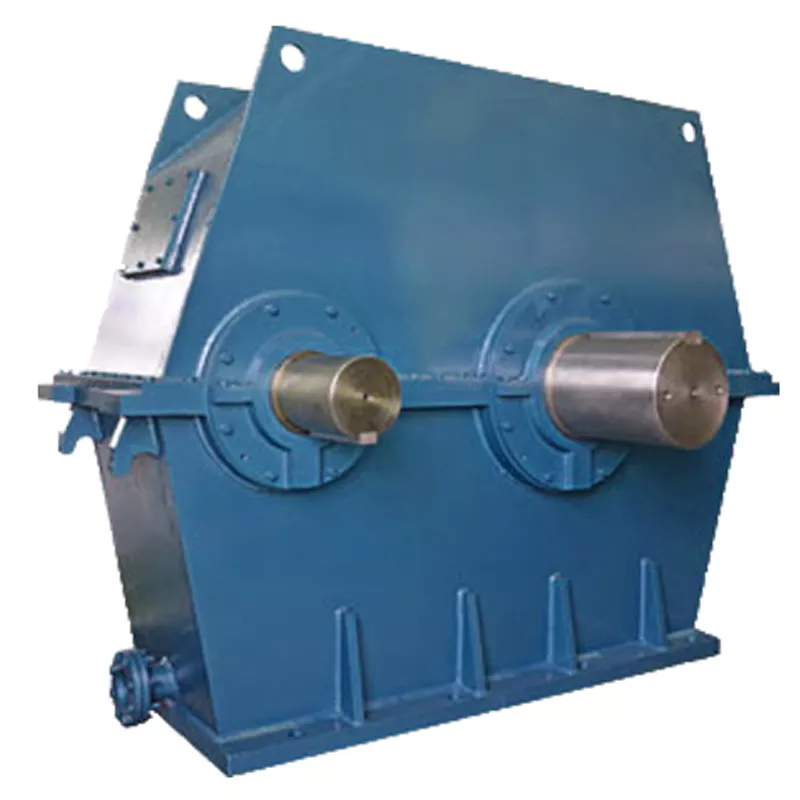
Function of Gear Reducers in Mechanical Systems
A gear reducer, also known as a gear reduction unit or gearbox, is a mechanical device designed to reduce the speed of an input shaft while increasing its torque output. It accomplishes this through the use of a set of interlocking gears with different sizes.
The primary function of a gear reducer in mechanical systems is to:
- Speed Reduction: The gear reducer takes the high-speed rotation of the input shaft and transmits it to the output shaft through a set of gears. The gears are configured in such a way that the output gear has a larger diameter than the input gear. As a result, the output shaft rotates at a lower speed than the input shaft, but with increased torque.
- Torque Increase: Due to the size difference between the input and output gears, the torque applied to the output shaft is greater than that of the input shaft. This torque multiplication allows the system to handle heavier loads and perform tasks requiring higher force.
Gear reducers are widely used in various industries and applications where it’s necessary to adapt the speed and torque characteristics of a power source to meet the requirements of the driven equipment. They can be found in machinery such as conveyor systems, industrial machinery, vehicles, and more.


editor by CX 2023-11-18